



Impressionist Park Painting
Impressionist park painting captures leafy urban retreats in loose brushwork and natural light, offering a breath of fresh air for any room.
Impressionist Park Painting
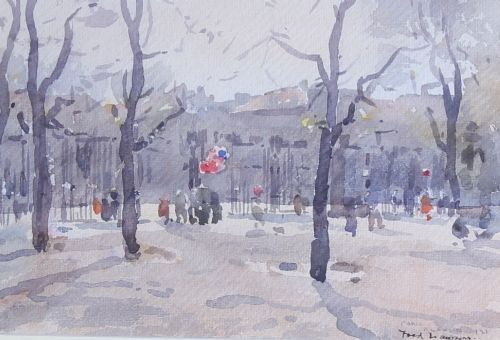
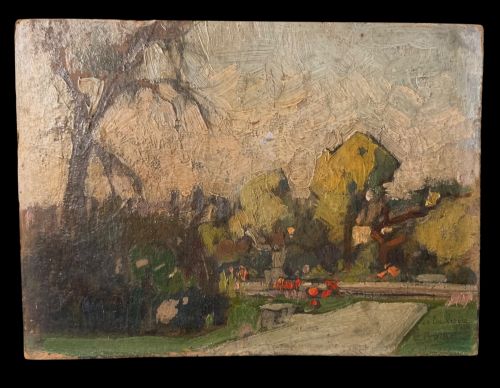
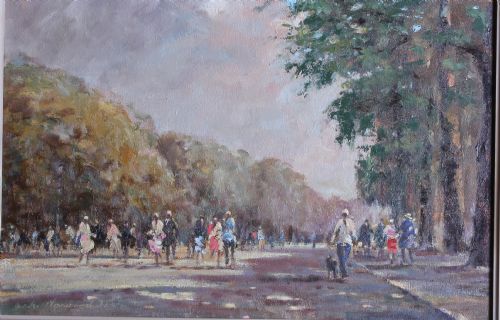
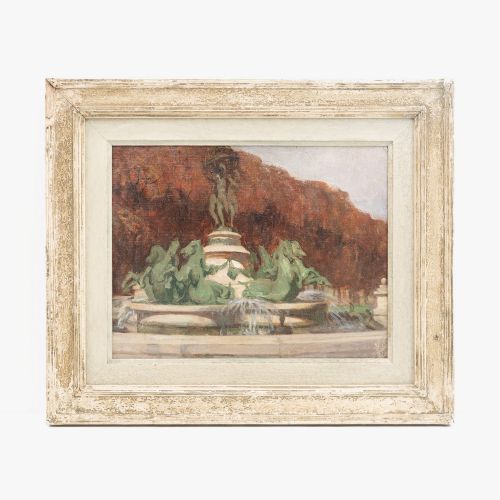
An impressionist park painting depicts green public spaces and leisure grounds through spontaneous brushstrokes and atmospheric light effects. These works capture figures strolling, picnicking, or pausing by statues within urban and countryside gardens across various decades.
Buyers on this page will most frequently encounter mid-twentieth-century examples, particularly pieces dated around nineteen-fifty. These later works build directly upon earlier Edwardian and post-impressionist traditions of plein air observation.
The compositions range from intimate studies of London and French gardens to broader winter and summer landscapes. Canvases and wooden boards form the primary supports for these lively outdoor scenes.
Materials and methods
Artists painted these outdoor scenes using oil paint applied directly to canvas, wood boards, or paper supports. The wet-on-wet technique allowed painters to capture changing light quickly while working outside in the open air.
Watercolour also appears on paper for lighter landscape studies, while finished works frequently sit within moulded wood frames. Pigments were blended to reflect natural daylight, shadow, and seasonal foliage.
Impressionist Park Painting Retail Price Guide 2026
Typical asking prices for impressionist park painting among the pieces listed under this phrase on Sellingantiques today, from the lower quarter to the upper quarter. They describe what is for sale here now, not the wider market.
Styles recorded here encompass British Impressionism, Post-Impressionism, and the Barbizon School.
Distinguishing quality
Superior works demonstrate a confident command of tone and light that brings the greenery and figures to life without excessive detail. The handling of the medium dictates whether a piece feels flat or possesses genuine depth.
Stronger compositions reveal purposeful brushwork where every mark contributes to the atmosphere of the park. Lesser examples rely on rigid lines rather than the fluid optical blending characteristic of the style.
Alexander Jamieson·Charles E Cundall·Henry Sanders·Hermoine Hammond·Beatrice Parsons
The Impressionist Park Painting Glossary
- Plein air
- Painting outdoors directly from the subject to capture natural light and transient atmospheric effects. This method defined much of the impressionist approach to landscape.
- Post-Impressionism
- The artistic development following impressionism that explored emotional response and structural form through bolder colour and brushwork. Several French and British works on this page share these characteristics.
- Oil on board
- Pigment bound in drying oil applied to a rigid wooden panel rather than stretched fabric. This support provides a firm foundation for rapid knife and brush applications.
- British Impressionism
- The adoption of continental light-focused techniques by British artists working domestically. It produced luminous records of public parks and gardens.
- Moulded wood frame
- A decorative border shaped from timber to house and protect the painted surface. These surrounds often complement the period and style of the artwork.
Impressionist Park Painting: Frequently Asked Questions
What subjects appear in these works?
These paintings portray public gardens, urban green spaces, and historic grounds featuring visitors, statues, and seasonal flora.
Scenes range from snowy winter paths to bright summer picnics in London and French parks.
Which materials were used?
Artists employed oil paint and watercolour as their primary mediums to capture outdoor light and colour.
Supports include stretched canvas, wooden boards, and paper housed within traditional moulded wood frames.
How do I date these paintings?
Dates span from the early twentieth century through the post-war period, reflecting shifting plein air traditions.
Stylistic cues, framing choices, and recorded artist timelines help narrow the creation window.
How should I display them?
These works suit domestic interiors seeking natural light and garden atmosphere through historic artwork.
Keeping them away from direct sunlight protects the oil and watercolour pigments over time.