



Impressionist Interior Painting
Impressionist interior painting brings domestic warmth and shifting light into your rooms through layered brushwork and intimate domestic scenes.
Impressionist Interior Painting
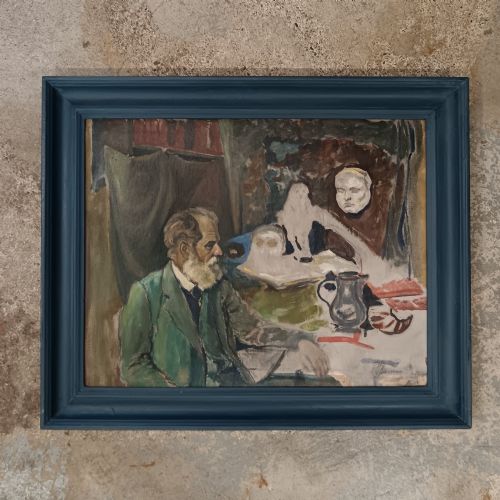
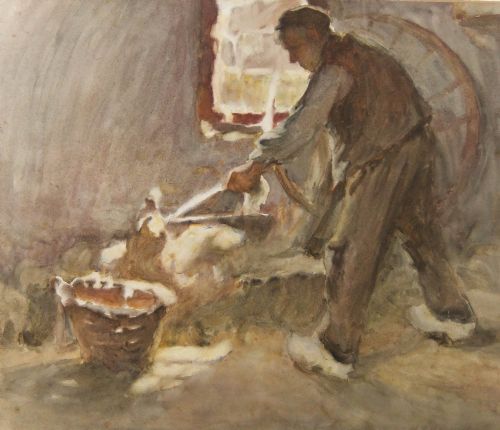
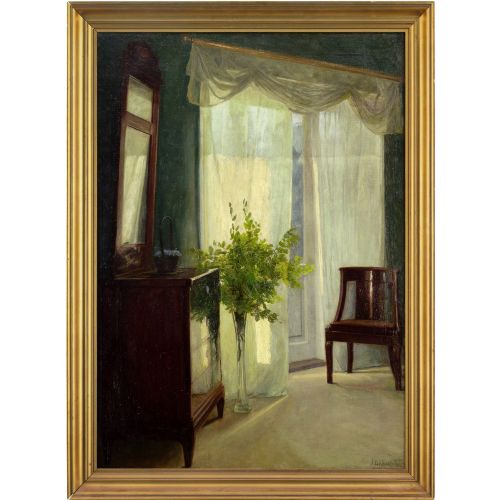
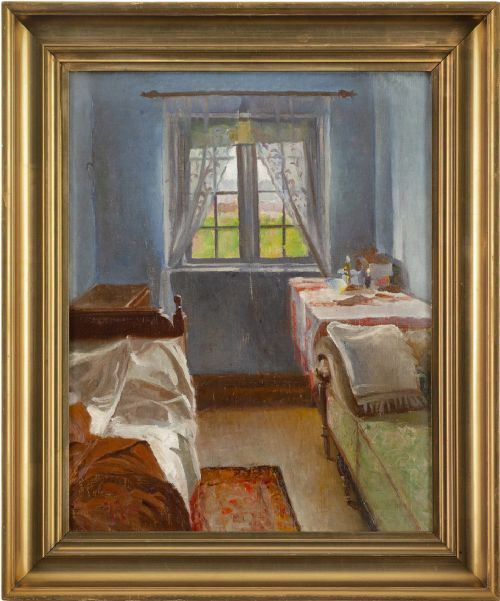
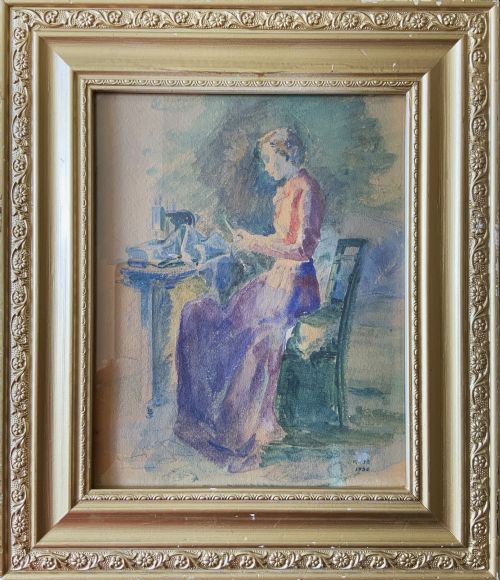
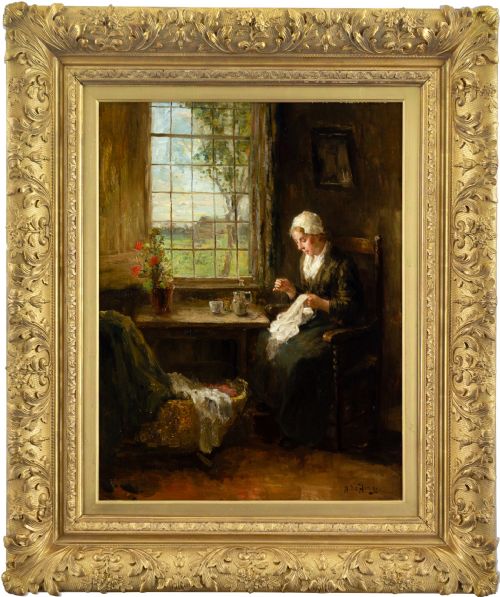
An impressionist interior painting captures domestic moments, quiet workshops, and sunlit rooms through loose brushwork and atmospheric colour.
You will most frequently encounter works on canvas or paper from the Edwardian era through the mid-twentieth century, spanning British, Scandinavian, and South African schools.
These pieces focus on everyday spaces like tea tables, cottage dining rooms, bedrooms, and artist studios, rendered with a distinct focus on natural light.
Materials and methods
Artists worked primarily in oil on canvas or board, alongside watercolour on paper, capturing fleeting domestic light with expressive pigment application.
Gold leaf frames occasionally appear, complementing the warmth of interior scenes and highlighting the texture of the painted surface.
Impressionist Interior Painting Retail Price Guide 2026
Typical asking prices for impressionist interior painting among the pieces listed under this phrase on Sellingantiques today, from the lower quarter to the upper quarter. They describe what is for sale here now, not the wider market.
The selection includes British, Scandinavian, and South African artistic interpretations of domestic spaces.
Assessing quality and execution
Quality rests in the handling of light and shadow, where confident brushwork brings depth to domestic rooms rather than mere photographic recording.
The sophistication of colour harmony separates standard records from compelling works that capture the intimate mood of a quiet hour.
Henry Silkstone Hopwood·John Lübschitz·Harry Kluge·Bernard De Hoog·Roland Batchelor·Ruth Prowse·Maud Frances Eyston Sumner·John Exley
The Impressionist Interior Painting Glossary
- Post-Impressionism
- A stylistic development following impressionism that emphasises expressive form and symbolic colour over optical realism. It builds directly upon earlier light-focused techniques.
- Intimist
- A genre of painting focusing on quiet, private interior scenes of domestic life. These works often evoke a strong sense of personal atmosphere and seclusion.
- Luminist
- A style giving intense attention to the effects of light on objects and spaces. It relies on subtle tonal gradations to create glowing atmospheric effects.
- Pointillism
- A technique of painting where small, distinct dots of colour are applied in patterns to form an image. The practice relies on the viewer's eye to blend the pigments optically.
- Watercolour
- A method where paints are made of pigments suspended in a water-based solution. It is traditionally applied to paper to achieve translucent, fluid effects.
Impressionist Interior Painting: Frequently Asked Questions
What is an impressionist interior painting?
These artworks depict domestic rooms, workshops, and quiet domestic scenes through loose brushwork and a focus on natural light.
They offer a window into daily life from the Edwardian period through the mid-twentieth century.
How were these paintings displayed?
Owners traditionally hung them in reception rooms, bedrooms, and parlours to bring warmth and natural light into domestic spaces.
Many retain their period frames, which were chosen to complement the domestic palette of the canvas.
How do I date an interior painting?
Dating relies on stylistic clues, clothing, interior furnishings, and recorded artist timelines spanning the early to mid-twentieth century.
Medium choices like oil on canvas or watercolour on paper also help place the work within specific artistic movements.
What is the difference between oil and watercolour?
Oils offer rich texture and layered depth on canvas, allowing artists to rework areas and build heavy pigment.
Watercolours on paper provide a translucent, direct application that captures swift impressions of morning or afternoon light.