


Impressionist Garden Oil Painting
Impressionist garden oil painting works capture outdoor light and foliage through loose brushwork, offering buyers a bright window into historic domestic spaces.
Impressionist Garden Oil Painting
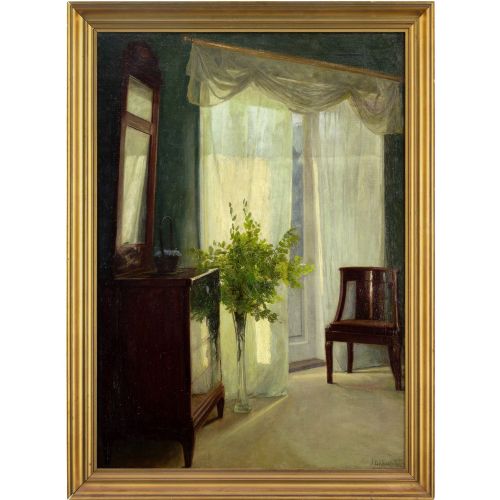
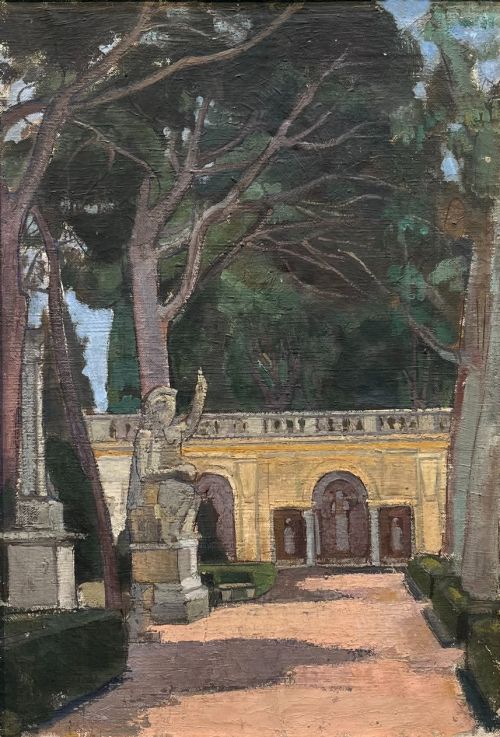
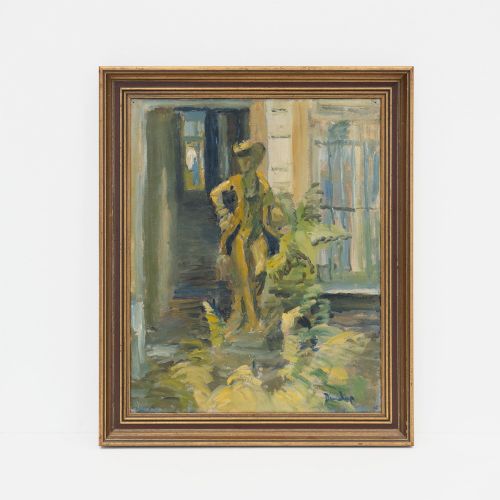
An impressionist garden oil painting represents floral beds, sunlit courtyards, and leafy retreats through expressive brushwork rather than rigid detail. These works capture specific moments of natural light hitting domestic foliage and park landscapes across various decades.
The pieces appearing here date from the late nineteenth century through to the mid-twentieth century, spanning British, French, and Scandinavian schools. Buyers frequently encounter scenes depicting figures among roses, water lilies on lakes, and country house grounds.
Makers range from named regional artists associated with groups like the Staithes Group to anonymous British and French hands working in post-impressionist and Edwardian modes. Canvas and wood panel provide the primary supports for these outdoor compositions.
How they were made
Artists painted primarily with oil paint on stretched canvas or wooden panels, sometimes utilising mahogany boards for floral still lifes and smaller studies. Pigments were applied with confident strokes to capture transient effects of light in gardens.
Many works retain their original wood frames, frequently enhanced with gold leaf, gilt finishes, and moulded plaster ornamentation. These frames complement the oil surfaces and define the outer edge of the landscape view.
Listings feature works spanning the nineteenth century through the 1950s, created using oil paint on canvas, wood panels, and mahogany boards.
What varies in quality
Quality rests in the handling of light and the surety of the brushwork, where confident pigment application brings foliage and sunlight to life. Stronger examples demonstrate a harmonious palette that unifies the garden elements without relying on stiff academic outlines.
The integration of original framing also influences the character of the piece, as period gilt and plaster mouldings suit the oil surface. Superior works maintain visual depth and atmosphere across the entire canvas rather than focusing solely on the central subject.
John Lübschitz·Ronald Ossory Dunlop·Ernest Higgins Rigg·Kershaw Schofield·Charles E Cundall·John Henry Inskip·William Hatherell·Herbert Royle·Edgar Bundy·Hermoine Hammond·William Greaves·Fred Merriman
The Impressionist Garden Oil Painting Glossary
- Impressionism
- A nineteenth-century painting style focusing on visual impressions of the moment, particularly shifting light and open-air scenes. Artists utilised visible brushstrokes and unblended colour.
- Staithes Group
- A northern British collective of artists influenced by French impressionist techniques, known for plein-air painting and coastal or garden subjects. Their works often show vibrant regional light.
- Gilt
- A thin layer of gold applied to wood frame surfaces to provide a decorative metallic finish. It reflects light around the oil painting.
- Post-Impressionism
- An artistic development following impressionism that extended its use of vivid colours while emphasising geometric forms or expressive content. Works from this movement often display heavier outlines.
- Panel
- A flat wooden support, such as mahogany, used by artists as an alternative to stretched canvas. It provides a rigid surface for oil paint.
Impressionist Garden Oil Painting: Frequently Asked Questions
How do I date an impressionist garden painting?
Dating relies on stylistic clues, framing materials, artist signatures, and recorded periods ranging from the late nineteenth century to the mid-twentieth century. Post-impressionist techniques and Edwardian costume details often point to specific decades within this timeframe.
Examine the stretcher bars, canvas type, and any inscriptions on the reverse of the wood panel or canvas. Comparative works by known regional or continental painters also help establish the correct era.
Where were these artists working?
The creators of these works operated across Britain, France, and Scandinavia, capturing both domestic retreats and famous continental sites like the Tuileries. Artists belonged to regional painting circles, such as the Staithes Group, or studied in academies in Rome and Paris.
Their travels informed their subject matter, leading them to paint Yorkshire gardens, Italian fountains, and French water lily ponds. This geographic spread brings varied regional light into the painted views.
How should I hang and light an oil painting?
Hang the canvas on an interior wall away from direct sunlight, extreme temperature shifts, and high humidity to protect the oil paint and wood support. Stable environmental conditions prevent the canvas from slackening and safeguard the gilt frame.
Use picture lights with low heat output to illuminate the brushwork without damaging the pigments. Ensure the weight of the frame is properly supported by appropriate wall fixings.