





Impressionist Autumn Landscape
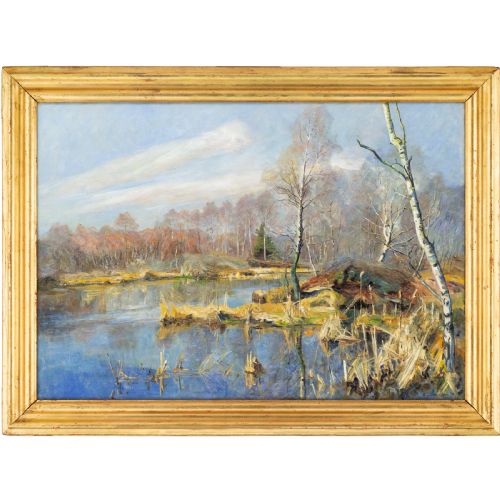
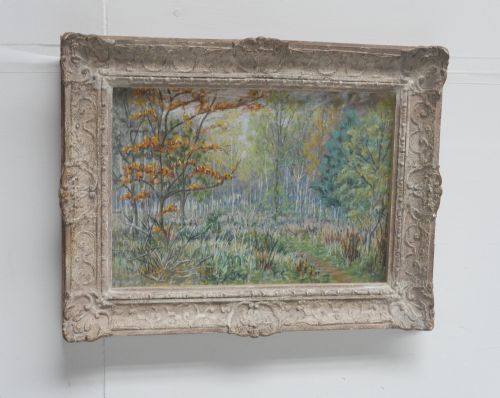
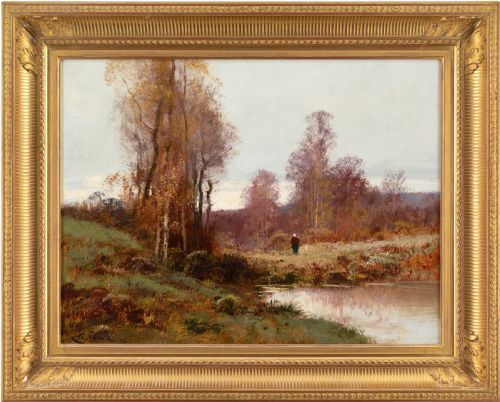
Impressionist autumn landscape works capture the shifting light of the season through brushwork across canvas, paper and wood.
Impressionist Autumn Landscape
An impressionist autumn landscape records the seasonal shift in woodlands, riversides and rural fields through painted scenes. Buyers searching for an impressionist autumn landscape will find works spanning from the late nineteenth century into the mid-twentieth century.
The objects take the form of framed oil paintings, watercolours and pastels on canvas, wood or paper. British Impressionism, French School and Scandinavian Impressionism traditions dominate the selection.
How they were made
Artists applied oil paint and pastel directly onto canvas, prepared wood panels or paper to capture atmospheric light. Gilded wood frames often house these works, providing structural edge and traditional presentation.
Makers utilised loose brush techniques to render autumn foliage, water reflections and overcast skies outdoors. This method prioritised the immediate sensation of light over microscopic botanical detail.
Impressionist Autumn Landscape Retail Price Guide 2026
Typical asking prices for impressionist autumn landscape among the pieces listed under this phrase on Sellingantiques today, from the lower quarter to the upper quarter. They describe what is for sale here now, not the wider market.
Listings span periods from 1890 to 1960, featuring oil, pastel and watercolour mediums on canvas, wood and paper.
What varies in quality
The handling of pigment and light separates masterworks from simpler decorative examples. Confident brushwork creates depth in autumn foliage, whereas flat application flattens the space.
Condition of the support and original frame influences the overall integrity of the piece. Intact oil paint surfaces without heavy cracking represent the upper tier of surviving works.
Aage Bertelsen·Charles Clair·Arthur Herbert Rigg·George Graham·Owen Bowen·Berthe des Clayes·John Falconar Slater·ROBERT LESLEY HOWEY·Frederick W. Jackson·Ernest Higgins Rigg·Hans Kappel Øvre·Ernest Moore·Augustus William Ennes·Fred Merriman·PERCY LANCASTER
The Impressionist Autumn Landscape Glossary
- Canvas
- A heavy woven fabric stretched across a wooden frame to serve as a painting surface. It provides texture that holds layered oil paint.
- Gesso
- A plaster mixture applied to wood or canvas to create a smooth preparation layer for painting. It seals the support before oil application.
- Pastel
- A dry pigment stick bound with gum used on paper for sketching and finished works. It produces soft, powdery colour transitions.
- Watercolour
- A paint consisting of pigment suspended in a water-soluble vehicle applied to paper. It creates transparent washes of seasonal light.
Impressionist Autumn Landscape: Frequently Asked Questions
What defines an impressionist autumn landscape?
These works focus on seasonal changes in nature, using loose brushstrokes to capture fleeting light.
Subjects typically include woodlands, rivers and farmsteads rendered during autumn months.
How should I hang these paintings?
Keep them away from direct sunlight and damp walls to protect the canvas and paint layers.
Ensure the wall fixings safely support both the weight of the painting and its frame.
Are these works painted outdoors?
Many artists worked plein air to observe changing autumn weather conditions directly.
Studio finishing was also common for larger canvases based on earlier field sketches.
How do I identify the period?
Stylistic clues, framing materials and stretcher construction help narrow down the decade of creation.
Signatures and historical exhibition labels on the reverse provide firm dating evidence.