


Impasto Oil Artwork
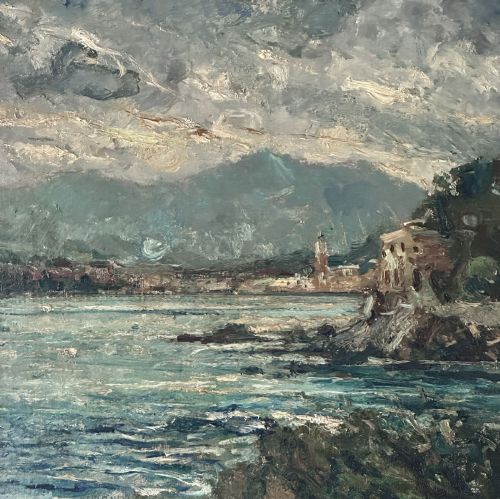
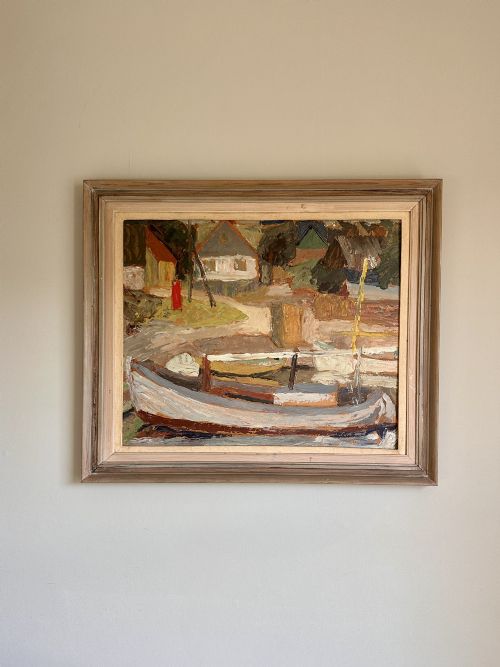
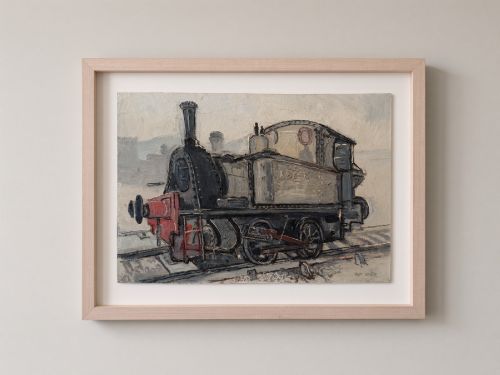
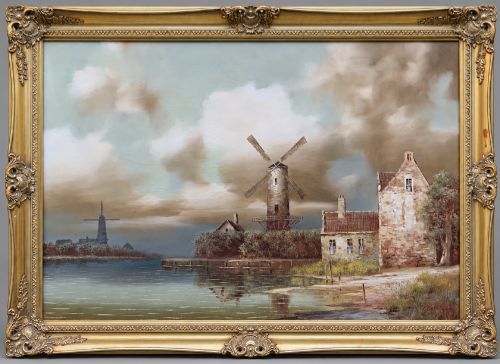
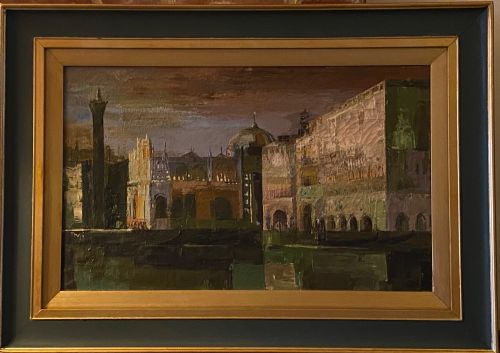
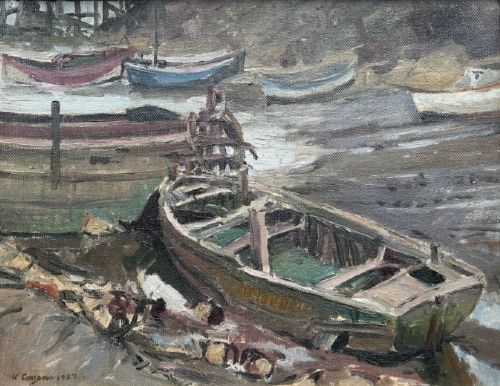
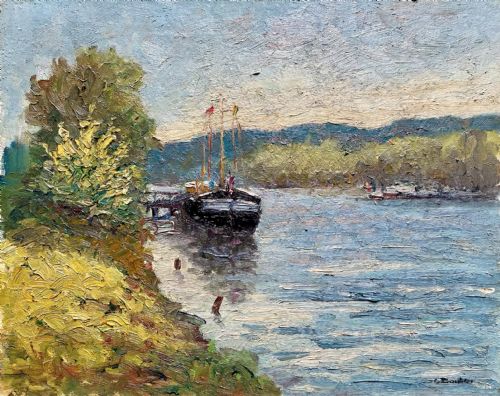
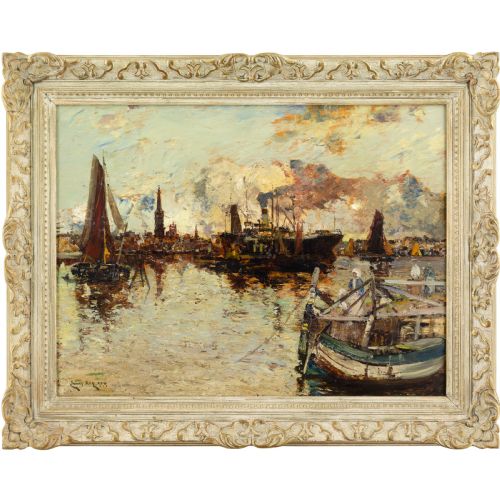
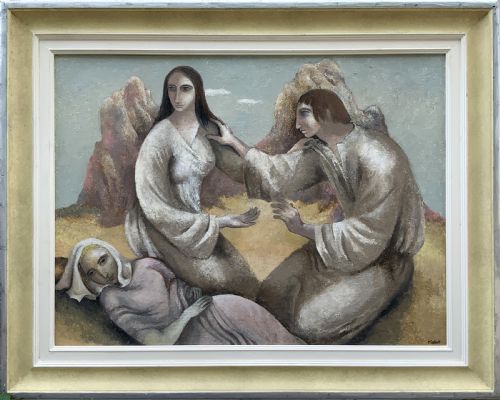
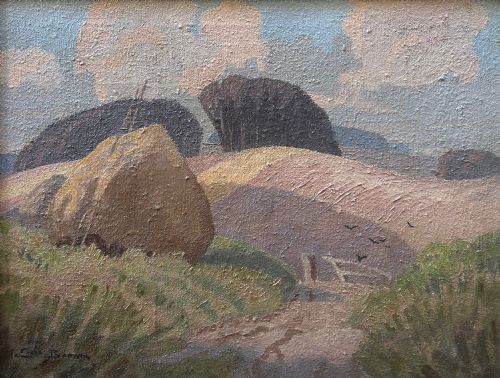
Impasto oil artwork brings physical texture to the canvas through heavy layers of paint that catch the light.
Impasto Oil Artwork
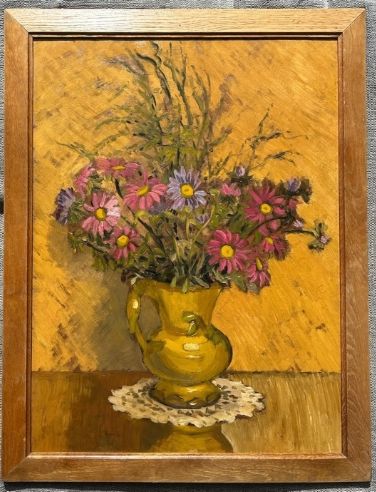
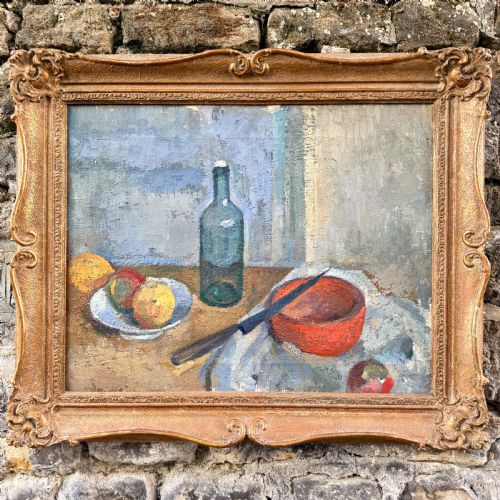
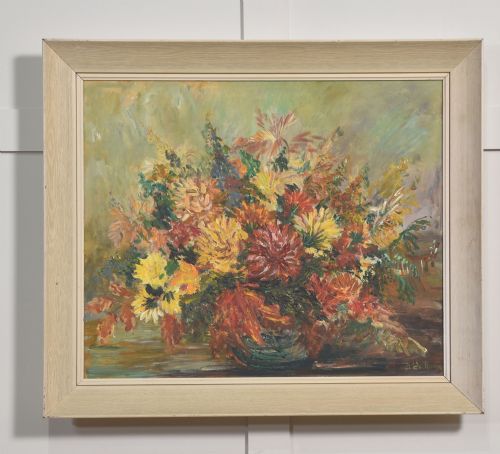
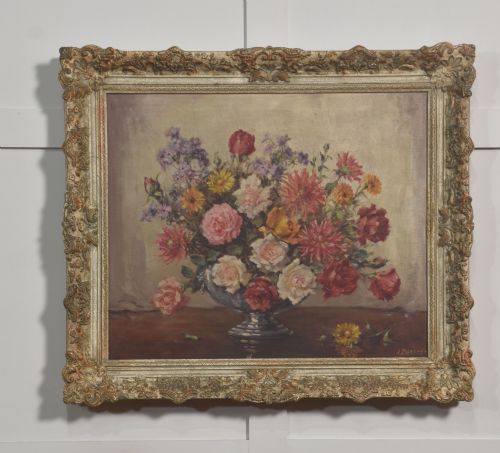
Impasto oil artwork involves paintings where oil paint is laid onto the surface in thick layers, often applied with a brush or palette knife so that the marks remain visible. When searching for impasto oil artwork, buyers encounter various subjects spanning landscape, marine, and still-life scenes from the nineteenth century onwards.
The selections on this page lean heavily towards twentieth-century pieces, covering styles such as Post-Impressionism, Modern British, and Mid-Century Impressionism. Works range from intimate floral still-lifes on board to large coastal landscapes and townscapes executed on canvas.
Origins vary across British, French, and Dutch traditions, reflecting the widespread adoption of textured pigment application during the modern period. Collectors frequently select these paintings for the palpable sense of depth and movement created by the raised medium.
Materials and technique
Artists utilise slow-drying oil paint, often built up in dense layers directly onto stretched canvas or rigid board supports. This deliberate thickness allows the medium to retain the physical gestures of the painter long after the surface has dried.
Frames play a structural and aesthetic role, with many period works housed in gilt wood mouldings that complement the reflective quality of the thick paint. The combination of sturdy wooden supports or canvas with heavy oil pigment ensures physical survival across decades.
Impasto Oil Artwork Retail Price Guide 2026
Typical asking prices for impasto oil artwork among the pieces listed under this phrase on Sellingantiques today, from the lower quarter to the upper quarter. They describe what is for sale here now, not the wider market.
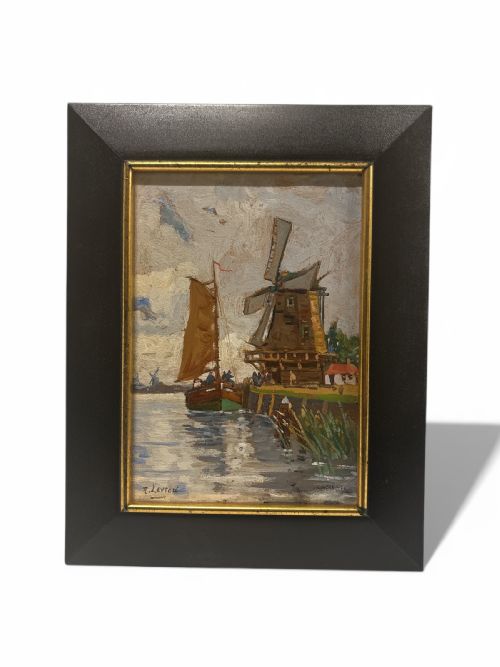
A steam locomotive and an ocean gypsy share the canvas with tranquil windmills and bustling French market squares.
Evaluating the standard of work
Quality rests upon the confidence of the brush or knife work and how effectively the thick pigment defines light, shadow, and form. Stronger examples display a deliberate rhythm in the impasto texture rather than random application, creating a cohesive visual space.
The integration of colour and the stability of the thick paint layers over time also separate standard decorative pieces from accomplished artistic output. Sustained presence and balance within the composition indicate a more accomplished hand behind the canvas.
Fred Yates·Sushila Singh·Kenneth Cozens·James Kay·Lucy Pratt·Peter Brannan·Eric Brown·Christine Nesbit·Donald McIntyre·Herbert Royle·Lilian Colbourn·Ronald Ossory Dunlop·Elisabeth Bardon·Helen Layfield Bradley·Jean-Baptiste Olive·Raymond Picque·James Fry·Gaetan Dumas·Gabriel Dauchot·Cecil Rochfort D'Oyly-John
The Impasto Oil Artwork Glossary
- Impasto
- A technique where paint is laid onto a canvas in very thick areas, usually thick enough that the brush or palette knife strokes are visible. This method adds a tactile, three-dimensional quality to the flat surface.
- Oil on Canvas
- A traditional painting method utilising pigment suspended in drying oils applied to stretched woven fabric. Canvas provides a resilient yet slightly flexible support for heavy paint layers.
- Post-Impressionism
- An art movement extending the limits of impressionism while rejecting its limitations, focusing on more symbolic content and heavier application of paint. Artists in this tradition emphasised vivid colours and distinct brushstrokes.
- Gilt Wood
- Wood that has been treated with a thin layer of gold leaf or metallic gilding. Frames finished in this manner frequently accompany period paintings to enhance their visual weight.
- Board
- A rigid flat panel, such as wood or compressed fibre, used as a sturdy painting surface instead of stretched canvas. It offers a firm foundation that supports thick impasto applications without sagging.
Impasto Oil Artwork: Frequently Asked Questions
What is impasto oil artwork?
It is a painting where oil paint is applied thickly, creating a textured surface that stands out from the canvas.
This technique gives the artwork physical depth and allows light to interact directly with the raised pigment.
How do I care for textured oil paintings?
Dust the surface gently with a soft, dry brush to prevent particles from settling in the thick paint crevices.
Keep the piece away from direct sunlight and fluctuating humidity to protect the integrity of the canvas and oil medium.
How can I tell the age of a painting?
Examine the materials of the stretcher bars, canvas weave, and the backing board for clues characteristic of specific decades.
Signatures, framing styles, and biographical dates of the artist also help narrow down the period of creation.
Where were these paintings typically displayed?
These works were created for domestic interior spaces, often displayed as focal points within reception rooms or studies.
Their robust textures made them suitable for bringing natural light and colour into urban and rural homes alike.