






Impasto Figurative Art
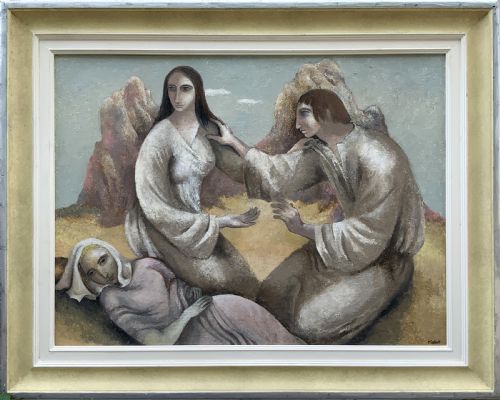
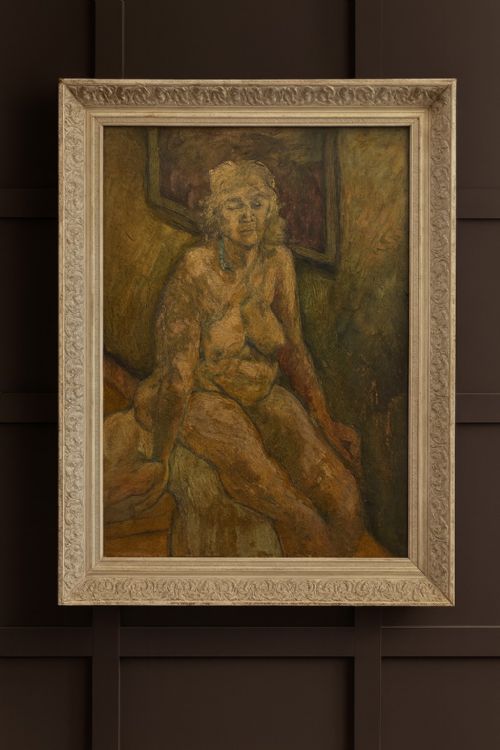
Impasto figurative art delivers tactile human presence through thick, built-up pigment on canvas or board.
Impasto Figurative Art
Impasto figurative art encompasses paintings that depict people and domestic scenes using thick, raised applications of paint. When searching for impasto figurative art, collectors encounter works ranging from late nineteenth-century impressionism to mid-century modernist expressionism.
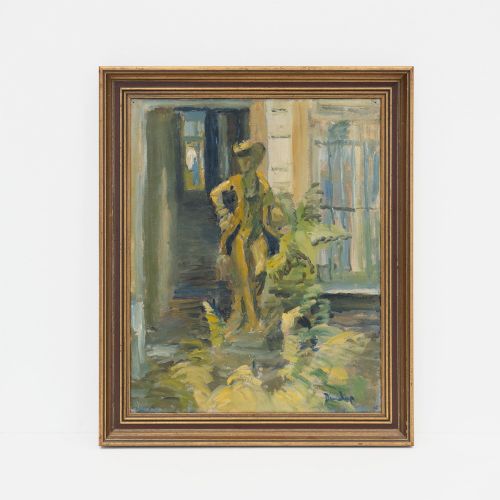
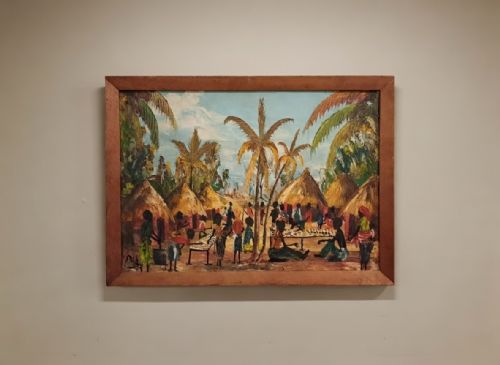
The objects on this page primarily consist of oil paintings rendered on canvas, board, and wood panels. These pieces capture subjects like seated nudes, portraits, and children at play through textured brushwork.
Dating ranges from the late nineteenth century through the middle decades of the twentieth century. Mid-century examples dominate the selection, bringing modernist and expressionist interpretations of the human form.
Materials and technique
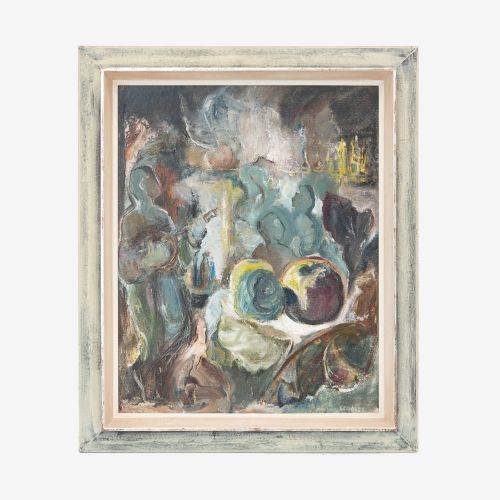
Artists utilise oil paint applied thickly to canvas, board, or wood panels, often using brushes or palette knives to build physical relief on the surface. This heavy layering creates a three-dimensional quality where the pigment itself holds form and texture.
Support materials vary between stretched canvas, wooden boards, and panels, each providing the rigid base necessary to hold heavy layers of oil paint. Gilt frames frequently enclose these works, complementing the rich surface texture of the pigment.
Recorded periods span from eighteen-ninety to nineteen-sixty across all available works.
Evaluating quality
Quality rests in the relationship between the handling of thick pigment and the structural integrity of the human figure. The most successful examples balance heavy surface texture with confident draughtsmanship.
The choice of support and the condition of the oil layer dictate longevity. Works that maintain stability across thick passages of paint demonstrate superior material handling by the artist.
Christine Nesbit·Lilian Colbourn·Ronald Ossory Dunlop·Baruch Shalom Oskotsky·Florence Hess·Pinchus Krémègne·Jeffrey Pratt·Raymond Arthur Roadnight
The Impasto Figurative Art Glossary
- Impasto
- Paint applied thickly to a canvas or board, standing out in relief from the plane. This technique gives the surface a palpable texture.
- Chiaroscuro
- Strong contrast between light and dark, used to give a sense of volume to figures and objects. It creates dramatic depth in oil paintings.
- Mid-Century Modernist
- A style reflecting the design philosophies of the mid-twentieth century, focusing on simplified forms and expressive brushwork. It appears frequently in works from the nineteen-fifties.
- Expressionism
- An artistic style where the artist depicts subjective emotions rather than objective reality through bold colours and thick marks. Figures are often distorted for emotional impact.
Impasto Figurative Art: Frequently Asked Questions
What periods do these paintings cover?
The available selection spans from the late nineteenth century through the mid-twentieth century. Mid-century works from the nineteen-forties, fifties, and sixties are particularly common.
Earlier pieces from the eighteen-nineties provide a contrast in impressionist technique, while mid-century examples lean towards expressionism.
Are these works painted on canvas or board?
Painters utilise both stretched canvas and wooden boards or panels as supports. Oil paint adheres well to these varied surfaces when prepared correctly.
Board supports frequently appear in mid-century works, offering a rigid base for heavy pigment applications.
How do I identify impasto technique?
Look for visible brush marks and ridges where paint stands proud of the surface. The pigment casts tiny shadows across the composition.
This physical depth distinguishes impasto from flat painting styles, adding a sculptural dimension to figurative subjects.