

Hunting Hounds Art
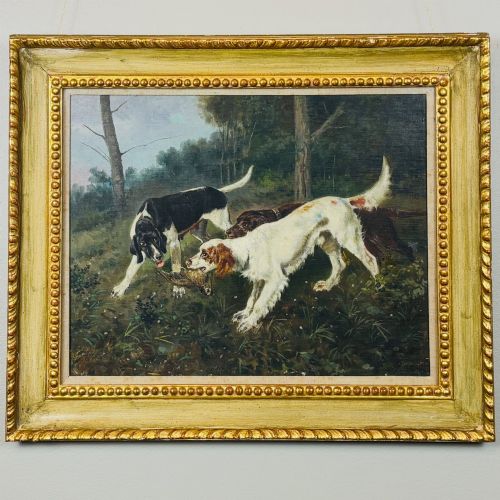
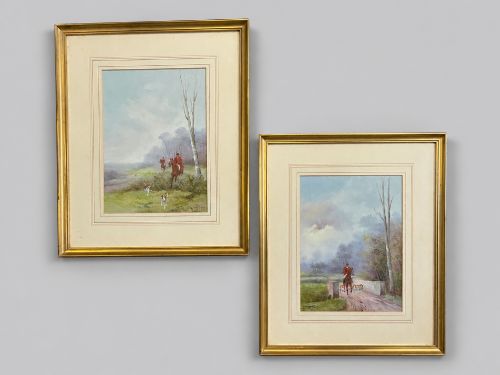
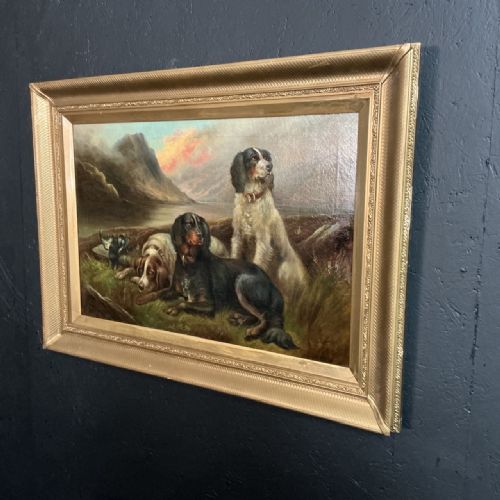
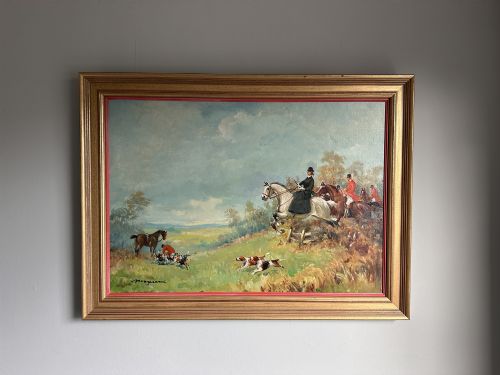
Hunting hounds art captures the muscular energy of the pack through centuries of oils, watercolours, and engravings.
Hunting Hounds Art
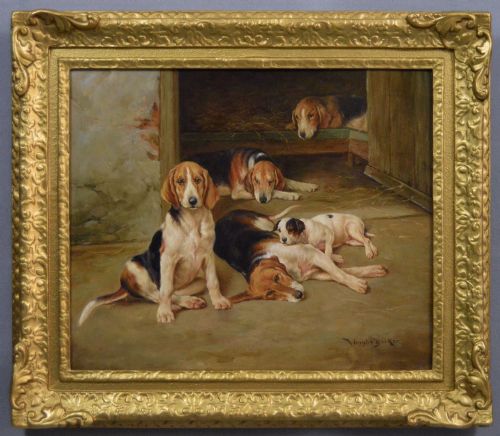
Hunting hounds art brings together centuries of British and European sporting traditions, focusing closely on the canine pack. Collectors seek these depictions of hounds on the scent, in the kennel, or resting in open landscapes.
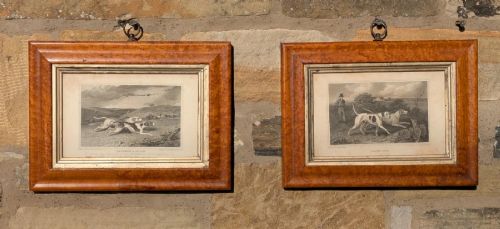
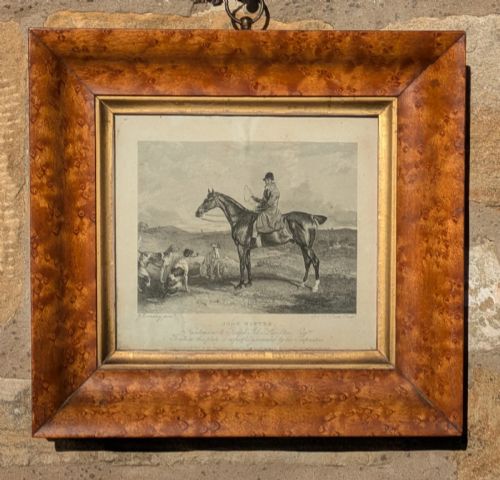
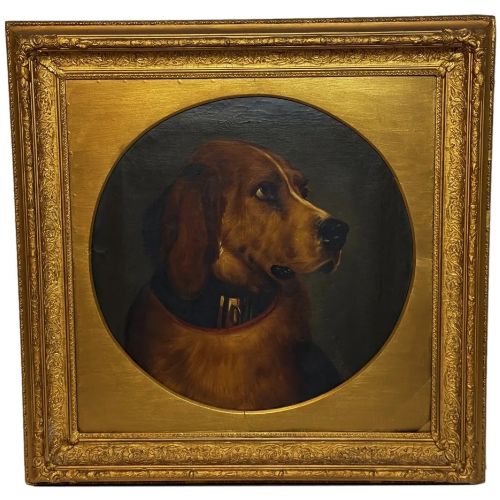
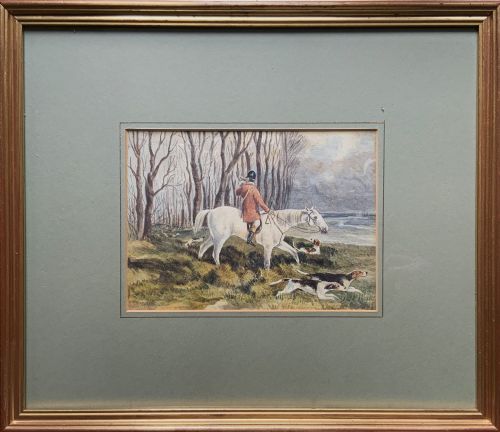
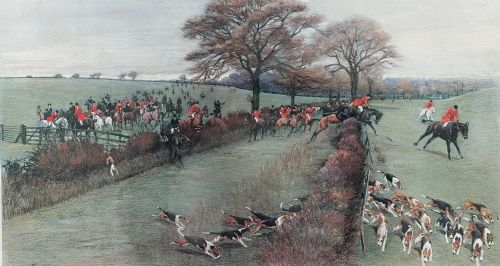
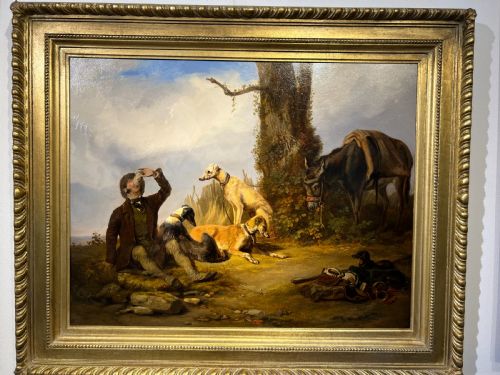
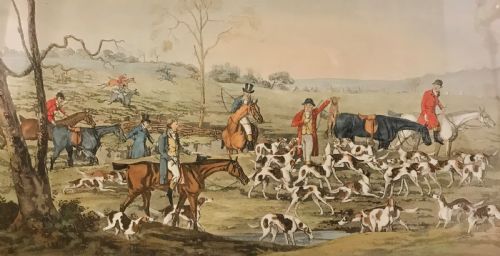
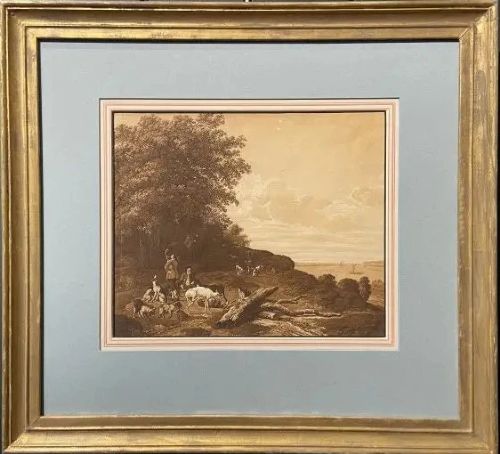
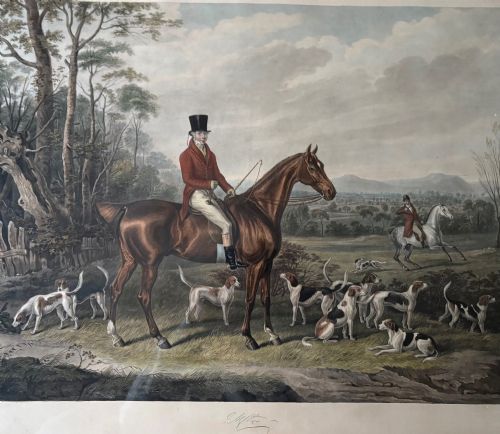
The selections available here lean heavily towards nineteenth-century oil paintings on canvas or board. Works range from intimate watercolours and hand-coloured engravings to broader landscape compositions featuring huntsmen and hounds.
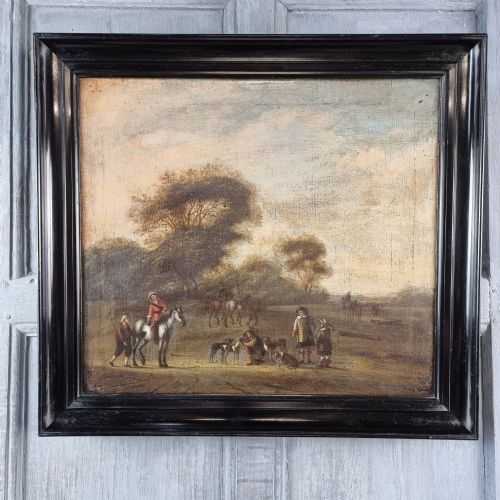
Earlier pieces stretch back into the seventeenth century, capturing Dutch and English scenes of the chase. Mid-century works and later prints round out the span, preserving the working dog in varied rural settings.
How they were made
Artists relied primarily on oil paint applied to canvas or wood panels, capturing the damp sheen of coats and the depth of winter snow. Watercolours on paper and delicate engravings offered alternative mediums for capturing fine line and motion.
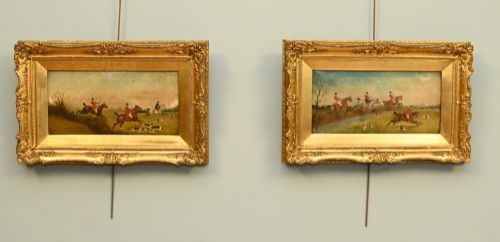
Framed artworks frequently incorporated gold leaf moulding and traditional wooden surrounds to complement the pastoral subjects. Lithographs and aquatints relied on skilled plate printing to reproduce the vigorous lines of the hunt.
Hunting Hounds Art Retail Price Guide 2026
Typical asking prices for hunting hounds art among the pieces listed under this phrase on Sellingantiques today, from the lower quarter to the upper quarter. They describe what is for sale here now, not the wider market.
Listings feature works executed in oil paint, watercolour, and ink on paper, alongside sculptural metal table lamps.
What varies in quality
Quality rests upon the artist's command of canine anatomy and the distinct musculature of the working pack. Superior brushwork registers the tension in a hound's stride and the varied textures of fur with confident precision.
The strength of the composition elevates certain pieces above standard topographical records. Balanced lighting and naturalistic posture separate master animal painters from lesser contemporaries.
Cecil Charles Windsor Aldin·Sir Edwin Henry Landseer·Arthur Wardle·George Wright·Samuel Raven·Colin Graeme Roe·Henri Schouten·Thomas Blinks
The Hunting Hounds Art Glossary
- Aquatint
- An intaglio printmaking technique that produces areas of tone resembling watercolour washes. It was often employed for reproducing sporting prints.
- Sporting Art
- A genre dedicated to depicting blood sports, racing, and animals in the field. This tradition forms the bedrock of canine portraiture.
- Oil on Board
- A painting executed on a rigid wooden panel or stiff card rather than stretched fabric. Artists frequently utilised this stable ground for smaller outdoor studies.
- Engraving
- A printmaking method where lines are cut directly into a metal plate with a sharp tool. Hand-coloured examples add pigment directly to the printed impression.
Hunting Hounds Art: Frequently Asked Questions
What periods do these pieces date from?
The works span from the seventeenth century through to the mid-twentieth century. Nineteenth-century examples dominate the selection.
Earlier pieces reflect Dutch Golden Age influences, while later items embrace Art Deco sensibilities and mid-century modern perspectives.
How should I display a sporting oil painting?
Traditional oil paintings on canvas benefit from well-lit wall space away from direct, harsh sunlight. Proper framing with gold leaf or timber enhances the depth of the landscape.
Keep them in rooms with stable humidity to protect both the wooden stretchers and the oil pigments over time.
What is the difference between an engraving and an oil painting?
An engraving is a printed reproduction created from an incised metal plate, often enhanced with hand colouring. These works offered accessible art for nineteenth-century collectors.
An oil painting is a unique, direct application of pigment onto canvas or wood by the artist's hand.
Who were the primary artists working in this genre?
Renowned animal and sporting artists such as Thomas Blinks, Arthur Wardle, and Cecil Aldin dedicated their careers to capturing dogs in motion. Their works form the core of historical canine art.
Many pieces also emerge from anonymous hands or regional painters who specialised in local hunts.