




Hungarian Dresser
A hungarian antique dresser brings robust regional craft and generous proportions into a room, offering practical storage alongside distinctive folk character.
Hungarian Dresser
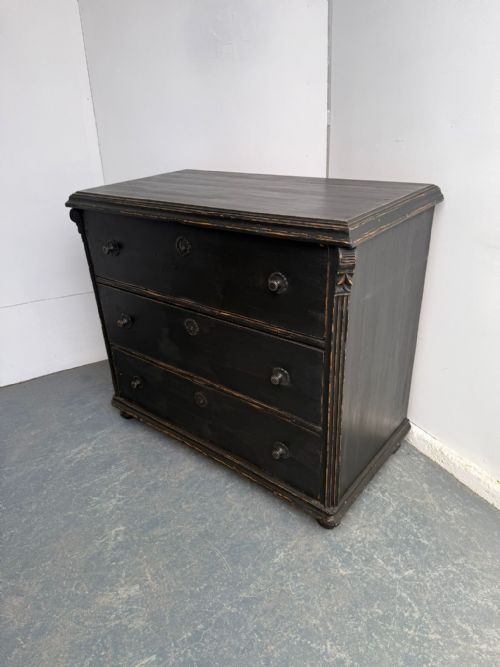
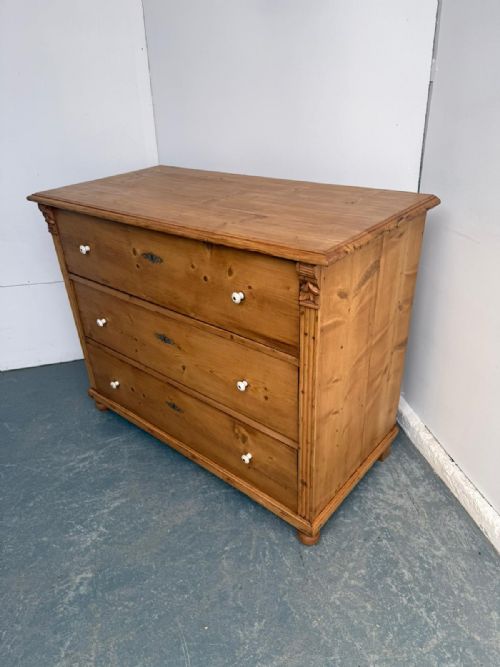
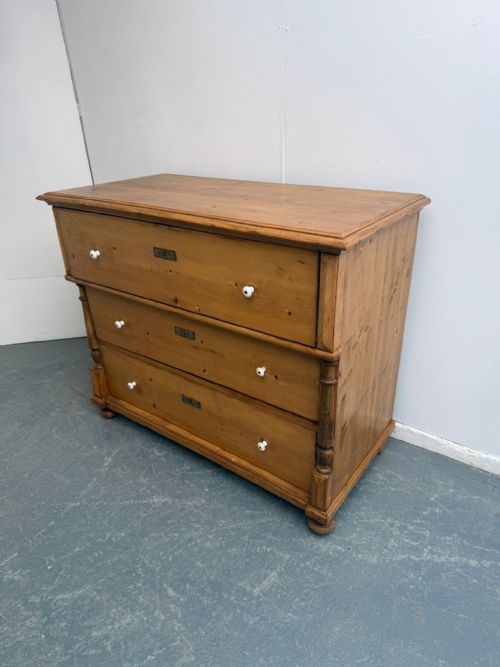
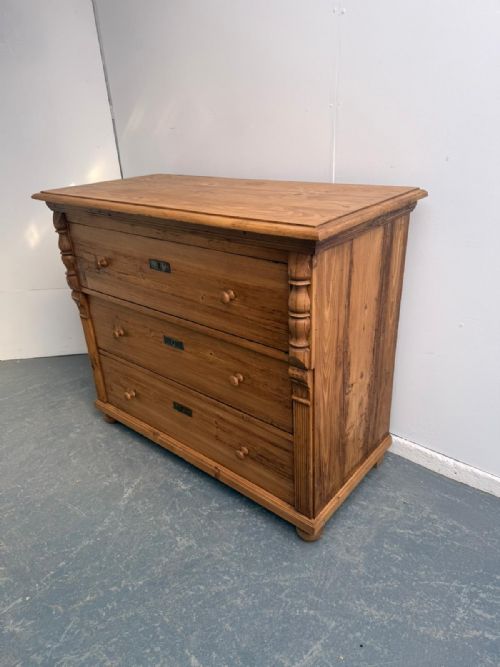
When you search for a hungarian antique dresser, you encounter substantial pieces shaped by nineteenth-century regional traditions, predominantly appearing as multi-drawer chests of drawers and kitchen dresser bases rather than tall plate racks. These examples span Georgian and Victorian periods, alongside pieces dated around nineteen-ten and the nineteenth century, reflecting utilitarian country workshops.
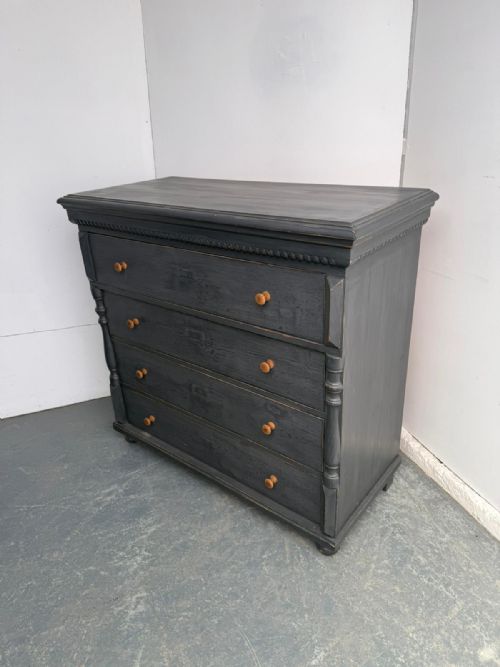
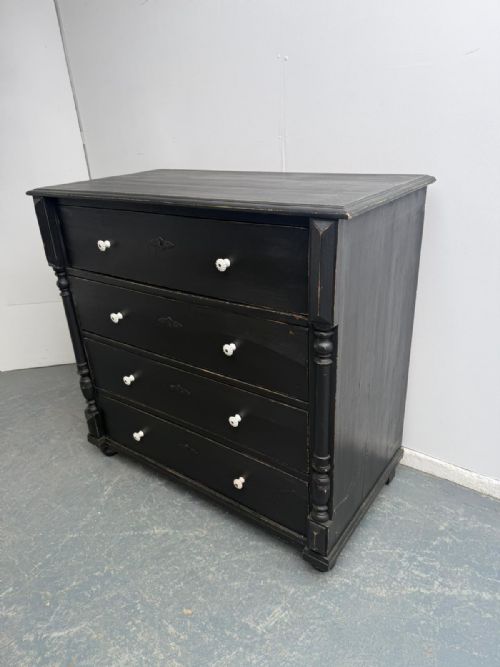
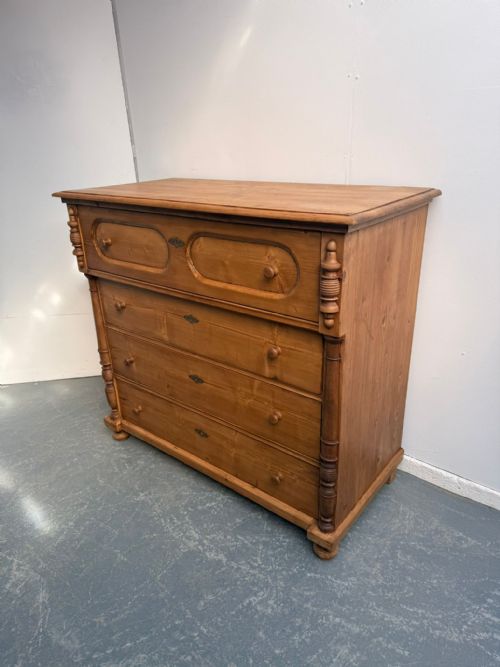
The forms divide into two main categories: tall chests containing three to five drawers, and broader two-door cupboards or dresser bases often fitted with supplementary drawers. Pine serves as the primary structural timber across these functional domestic units, built to hold household provisions or clothing.
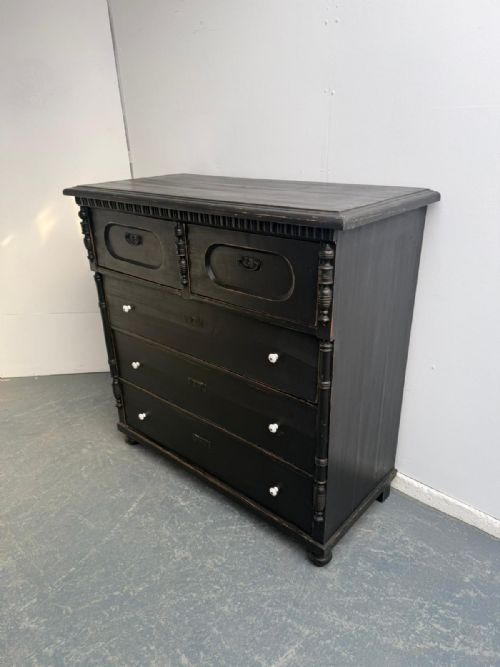
Stylistic influences range from rustic farmhouse and European country to specific regional folk art traditions, including hand-painted finishes. Buyers meet pieces defined by solid timber construction, occasional columned details, and hand-carved floral motifs that set them apart from standard British brown furniture.
How they were made
Makers built these pieces primarily from solid pine and other woods, selecting timber suited to heavy domestic service in rural households. Construction relied on straightforward joinery capable of supporting massive drawer configurations and heavy double-door cabinet frames.
Surface treatments vary between plain waxed finishes that highlight the natural grain of the wood and distinct layers of applied paint. Surviving examples display original historic pigments including black, mid-grey, green, cream, and teal, sometimes augmented by hand-painted folk art details.
Listings feature pine chests of drawers, kitchen dresser bases, and cupboards spanning Victorian, Georgian, and nineteenth-century periods.
What varies in quality
Quality in these regional pieces rests upon the integrity of the original timber and the retention of authentic surface finishes, whether historic wax or early paint. Pieces retaining their original unstripped pine surfaces or undisturbed multi-colour painted schemes hold greater historical value.
Proportion and scale also distinguish the range, from low wide drawer units to massive five-drawer chests and columned carcases. Refined decorative touches, such as carved floral panels or integrated column supports, separate standard utility cupboards from finer folk art examples.
The Hungarian Dresser Glossary
- Dresser base
- A low cabinet featuring cupboards or drawers, historically used for food preparation and storage without the upper plate rack.
- Folk art
- Decorative design and craftsmanship rooted in regional cultural traditions rather than formal academic styles.
- Waxed pine
- Timber treated with natural wax to protect the surface while maintaining a warm, matte appearance that darkens with age.
- Cupboard
- An enclosed piece of furniture fitted with doors and interior shelving for general domestic storage.
Hungarian Dresser: Frequently Asked Questions
What is a Hungarian dresser?
A Hungarian dresser is a piece of regional nineteenth-century furniture, typically found as a multi-drawer chest, a two-door cabinet, or a kitchen dresser base.
These pieces originate from European country workshops and use local pine, often finished with wax or traditional painted schemes.
How do I date a Hungarian pine dresser?
Dating relies on construction methods, period stylistic markers, and recorded eras such as the Georgian and Victorian periods or nineteen-ten.
Examine the timber joints, drawer construction, and any surviving layers of original paint or wax to understand the age of the piece.
Are these dressers painted or natural wood?
Both finishes appear frequently across the inventory, encompassing plain waxed pine and historically painted surfaces.
Original pigment colours include black, grey, green, cream, and teal, sometimes accompanied by hand-painted folk art decoration.
Where were these pieces used originally?
These items served as practical storage furniture in rural Hungarian homes, farmhouses, and regional kitchens.
They held household provisions, textiles, and domestic utensils, designed for heavy daily use rather than formal display.