



Hukin and Heath
When you search for hukin and heath, you uncover distinctive metalwork and glassware spanning the late Victorian era through Art Deco.
Hukin and Heath
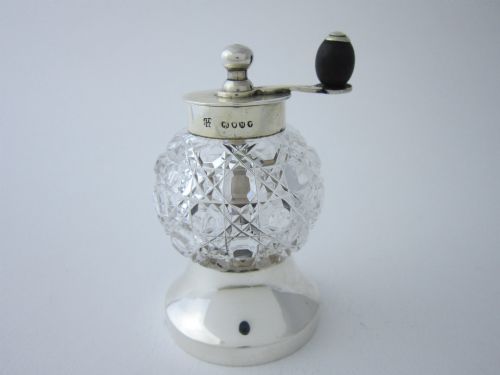
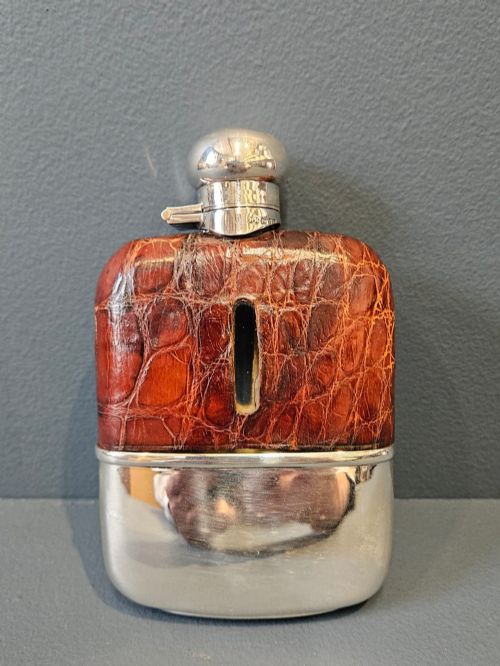
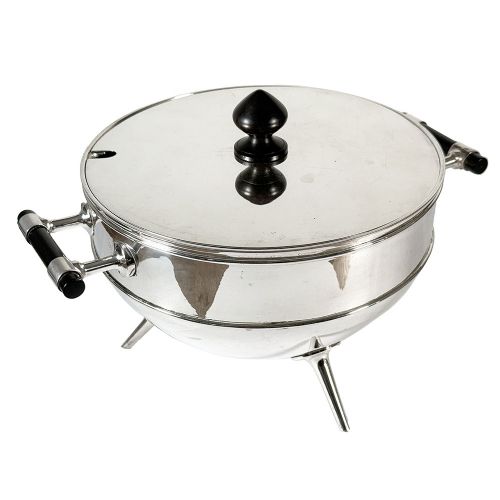
The objects appearing across these listings frequently belong to distinct historical movements including Aesthetic, Arts and Crafts, and Modernist styles. Tableware forms such as claret jugs, preserve pots, and spirit kettles dominate the selection alongside dedicated bar equipment.
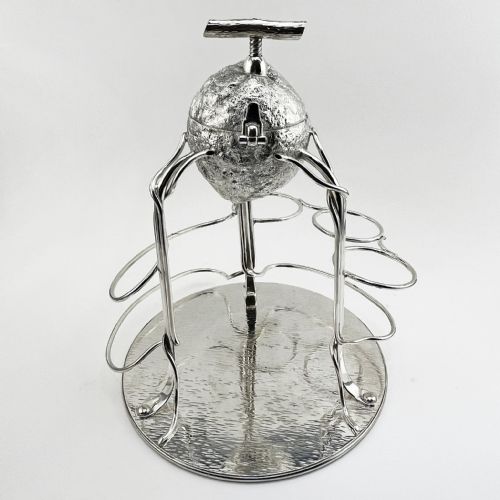
Early examples connect directly to avant-garde designers like Christopher Dresser, whose geometric metalwork defined the late nineteenth-century aesthetic. Later twentieth-century items shift toward streamlined forms suited to Art Deco interiors and cocktail culture.
Materials and construction
The workshop utilised heavy-gauge sterling silver and electroplated nickel silver as the primary foundations for hollowware, pairing metal mounts with cut glass, crystal, and ebonised wood.
Manufacturing methods combined traditional silversmithing with advanced plating techniques, often integrating locking mechanisms, hinged lids, and pivoting frames into utilitarian serving pieces.
Evaluating craftsmanship
Distinction across the range rests on the complexity of the design and the integrity of the maker's mark stamped into the base or mount. Pieces associated with specific designers or complex mechanical actions demonstrate superior workshop execution.
The relationship between the glass body and the silver collar or mount determines overall refinement, with hand-cut crystal and crisp silver casting marking the upper tier of production.
Christopher Dresser·Hukin and Heath
The Hukin and Heath Glossary
- Electroplated nickel silver
- A base metal alloy coated with a layer of pure silver through an electrical process, widely utilised for domestic tableware.
- Claret jug
- A pouring vessel designed for wine, typically featuring a glass or crystal body fitted with a hinged silver handle, collar, and spout.
- Spirit noggin
- A small vessel or flask used for holding individual measures of spirits, often supplied with a matching silver-topped stopper.
- Tantalus
- A locking wooden or metal frame designed to secure decanters of alcoholic beverages while allowing their contents to remain visible.
- Glug glug decanter
- A specific style of wine decanter constructed with a multi-chambered neck that produces a gurgling sound when liquid is poured.
Hukin and Heath: Frequently Asked Questions
What items did hukin and heath make?
The firm produced a diverse catalogue of domestic metalwork focusing primarily on dining table accessories, tea services, and barware. Decanters, toast racks, and cocktail shakers represent the core output.
Desk items and smoking accessories also appeared alongside specialised serving dishes intended for affluent Victorian and Edwardian households.
How do I identify their work?
Authentic items typically display the distinctive maker's mark consisting of the conjoined initials H&H alongside traditional silver hallmarks or electroplate stamps. Design registrations and model numbers frequently accompany the maker's stamp on metal components.
Stylistic indicators such as geometric handles, naturalistic motifs, or minimalist frames point directly to the workshop's documented output.
Who was Christopher Dresser?
Christopher Dresser was a prolific industrial designer who collaborated with the firm during the late nineteenth century. His creations introduced radical geometric forms and functional minimalism to British metalwork.
Objects carrying his design attribution remain among the most sought-after examples of nineteenth-century industrial design.
How should I care for silver plate?
Silver-plated items require gentle cleaning with non-abrasive cloths and dedicated silver care products to preserve the thin metal coating over the nickel base. Avoiding harsh chemical dips prevents damage to vulnerable glass components and ebonised wood.
Regular handling and careful drying after washing help maintain the polished finish on both silver and crystal surfaces.