
Housekeeper Storage Cabinet
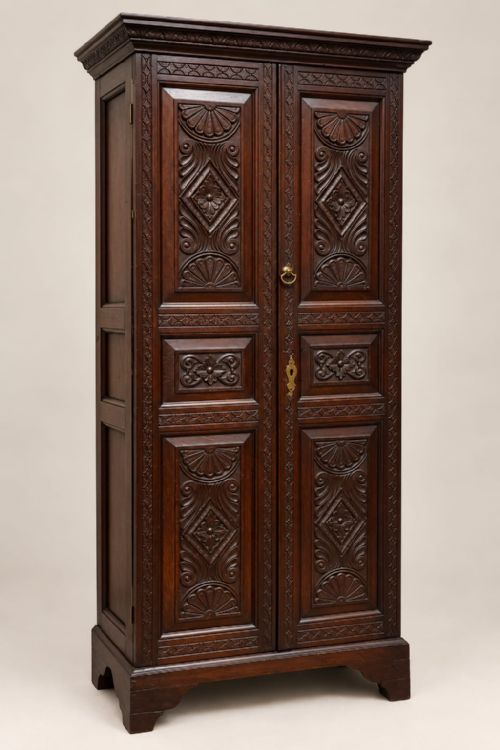
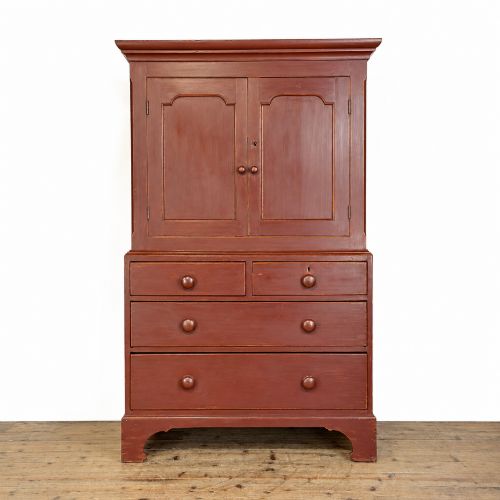
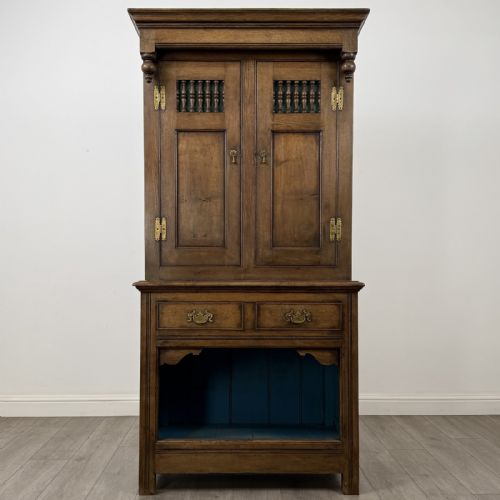
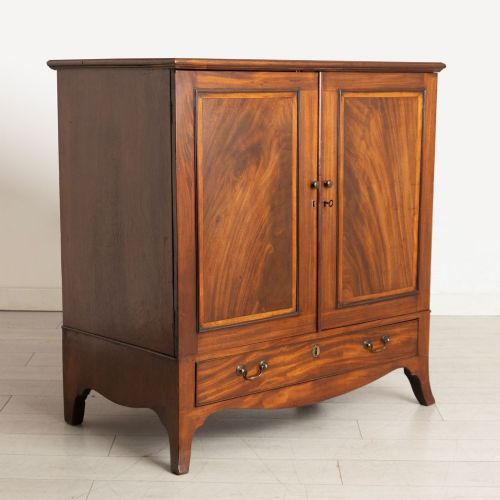
These large housekeeper storage cabinet pieces served country houses and farmhouses for heavy domestic storage.
Housekeeper Storage Cabinet
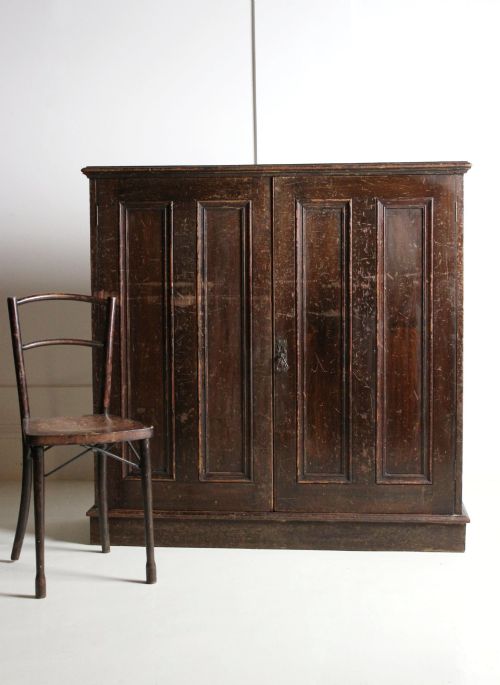
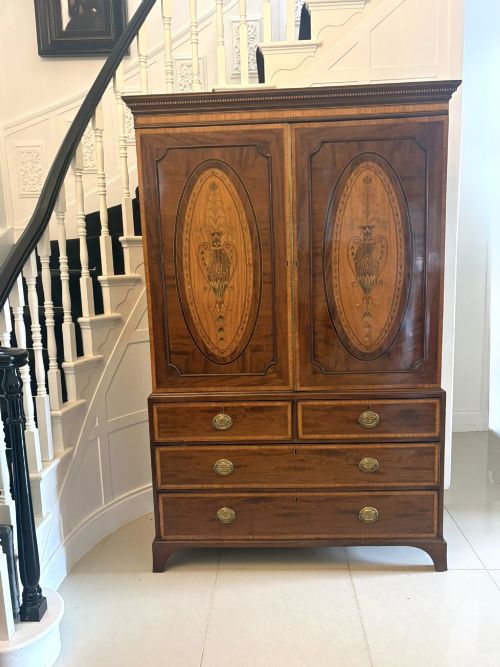
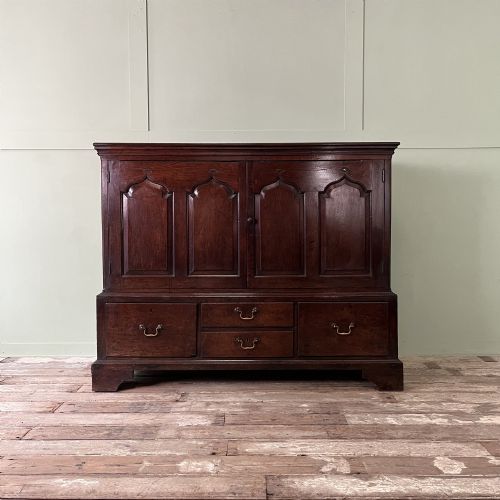
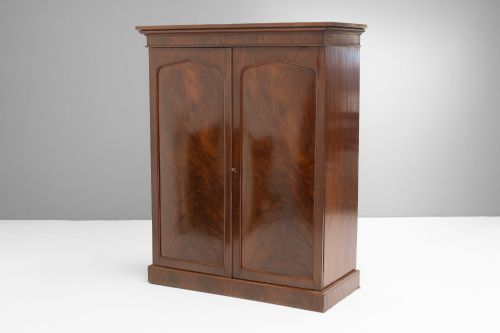
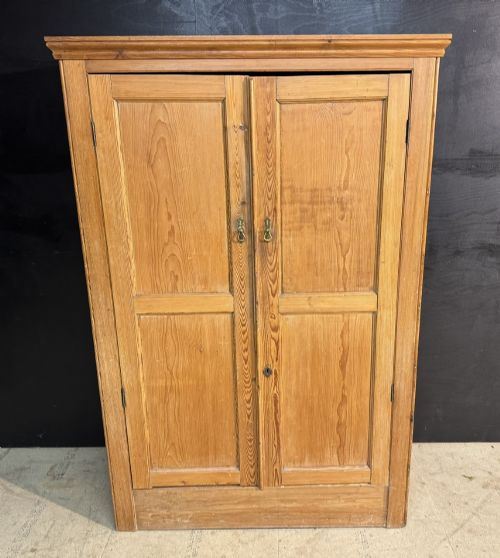
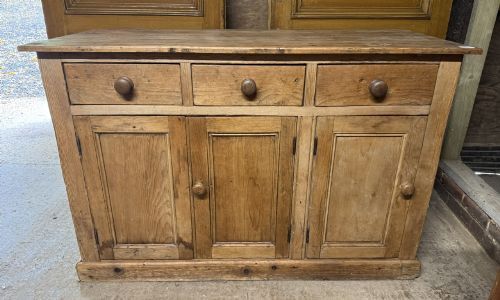
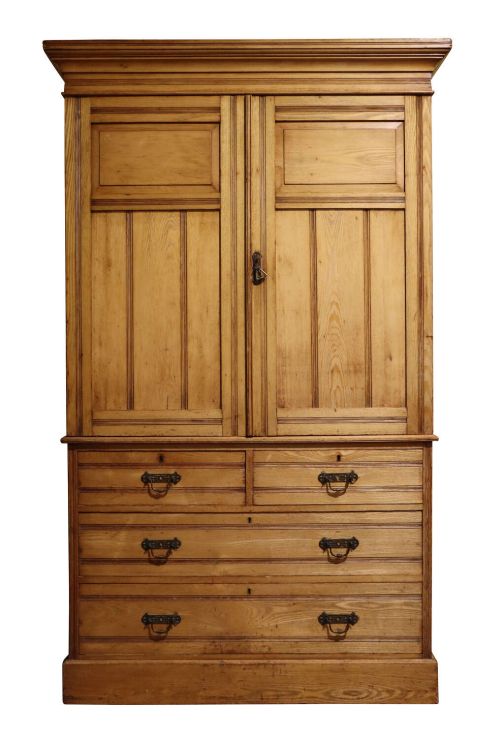
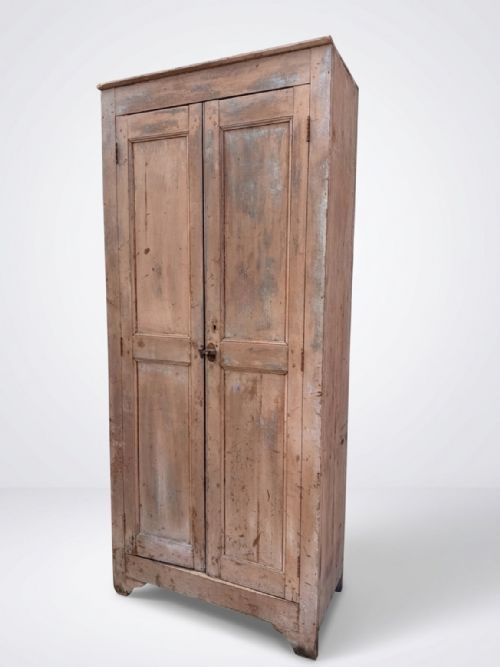
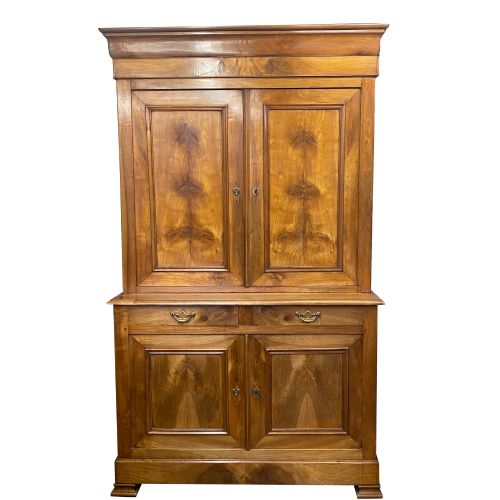
A housekeeper storage cabinet is a substantial utilitarian piece designed to hold household linens, provisions or clothing. They appear in formats ranging from simple single door pine cupboards to elaborate two part mahogany linen presses.
Most examples found here date from the eighteenth and nineteenth centuries, spanning Georgian and Victorian periods. Country workshops in Britain, France and Scandinavia produced the majority of these storage pieces.
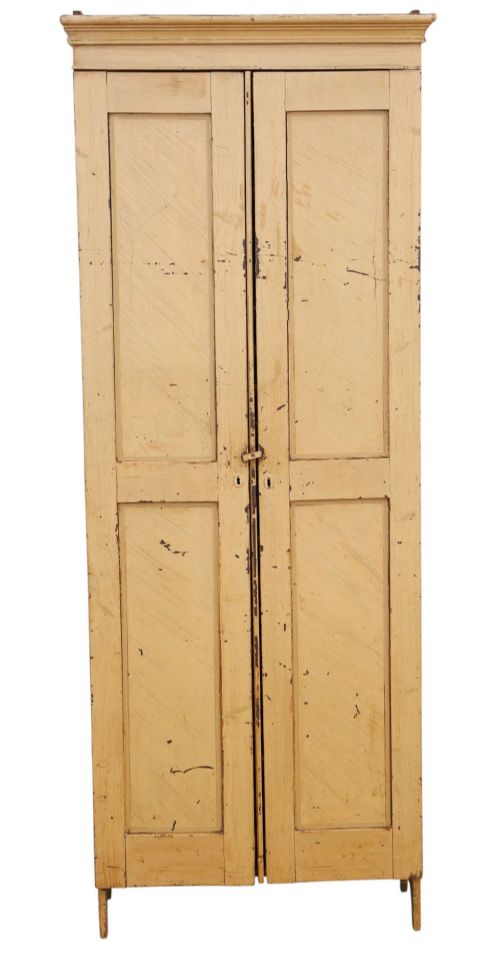
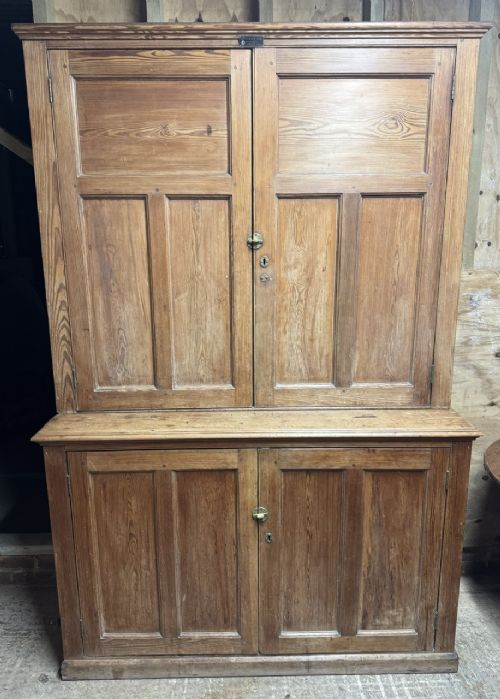
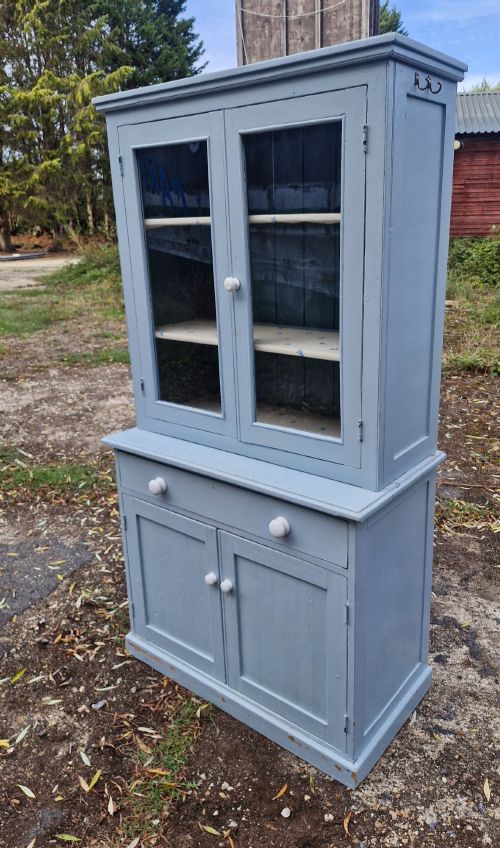
The practical internal arrangement often combines shelves, drawers and hanging space behind large panelled doors. Buyers encounter both stripped natural wood finishes and remnants of original paint or scumble.
Materials and construction
Pine and oak form the structural core for most regional pieces, frequently worked by local joiners using solid planks and pegged joints. Mahogany and ash appear in more formal vernacular pieces, sometimes with satinwood inlay or brass hardware.
Surface treatments vary widely from plain waxed timber to layered historical paint, scumble glazes and cream finishes. Two part construction allows these tall wardrobes and presses to move between rooms more easily during relocation.
Regional styles include French provincial, Welsh country, Scandinavian design and rustic farmhouse interpretations.
Quality differences
Timber selection and proportional balance separate standard utility pieces from finer cabinet work. Dense old growth pine or figured mahogany with crisp mouldings indicates a higher standard of original workshop production.
The integrity of original backboards, brass escutcheons and working locks influences the desirability of a piece. Retained original paint finishes or untouched mellow wax surfaces carry more character than heavy modern stripping.
Maple & Co.·Druce & Co.
The Housekeeper Storage Cabinet Glossary
- Linen press
- A tall cupboard featuring sliding trays or shelves in the upper section for storing folded textiles, often sitting above a base of wider drawers.
- Scumble paint
- A decorative technique involving translucent glazes dragged across a base coat to imitate the grain of more expensive hardwoods.
- Fielded panel
- A wooden door panel with bevelled edges that sit recessed within a heavier structural frame, allowing the timber to expand and contract.
- Two part
- A cabinet constructed in separate upper and lower sections that stack together, aiding transport in large country properties.
Housekeeper Storage Cabinet: Frequently Asked Questions
How were housekeeper storage cabinets used originally?
Housekeepers utilised these large cupboards to store household linens, blankets, dry goods and provisions under lock and key. They stood in corridors, estate offices or linen rooms to keep household stores organised.
In larger country houses, the housekeeper held the responsibility for these supplies. The deep shelves and lower drawers accommodated heavy textiles that needed protection from dust and damp.
How do I tell Georgian periods from Victorian ones?
Georgian pieces generally show cleaner classical proportions, often utilising mahogany or oak with subtle stringing and bracket feet. Victorian examples lean towards heavier pine construction, bun feet and extensive storage configurations.
Construction details also help distinguish the eras, as earlier cabinet makers relied on hand cut joinery and pegged frames. Later nineteenth century pieces frequently incorporate machine sawn timber elements and standardised iron hardware.
Can these cabinets fit in modern rooms?
These large storage pieces require careful measurement of ceiling heights and floor space before placement. Many examples split into two sections to simplify moving them through standard doorways.
Their deep interiors make them practical wardrobes or kitchen larders for contemporary homes. Removing internal shelves allows some versions to serve as modern hanging closets.
Should I strip painted pine cupboards?
Original paint finishes and scumble glazes preserve the historical character of country pine furniture. Stripping them back to raw wood removes evidence of age and previous domestic use.
Many buyers prefer to retain existing surface patination rather than expose bare timber. Minor wear in the paint often adds to the visual depth of regional vernacular pieces.