





Horse Study Artwork
Horse study artwork captures the power and anatomy of the animal across centuries of oils, watercolours, and drawings.
Horse Study Artwork
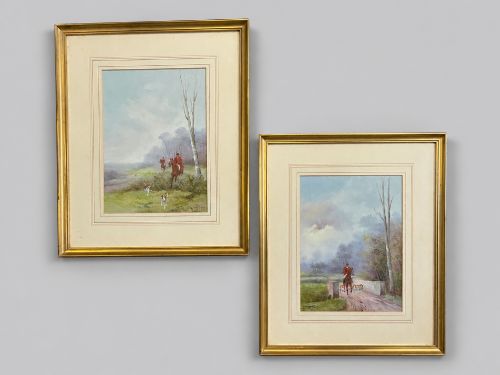
Horse study artwork encompasses oil paintings, watercolours, and drawings that focus on the equine form across various historical periods.
Buyers will encounter Victorian compositions alongside pieces from the eighteenth and twentieth centuries, reflecting changing artistic approaches.
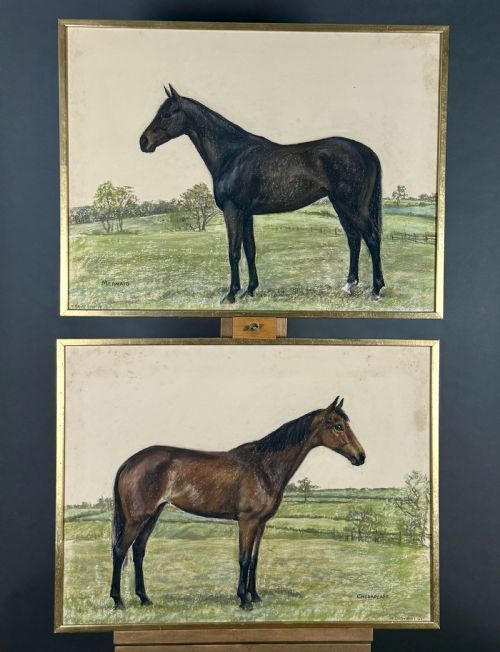
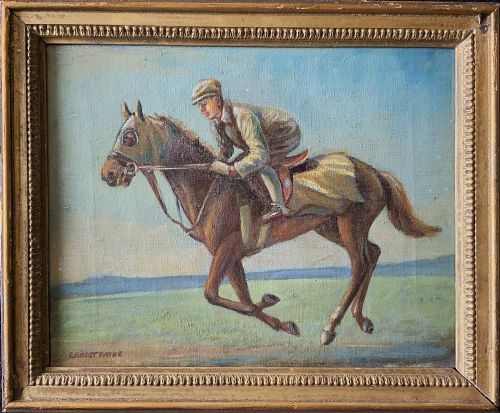
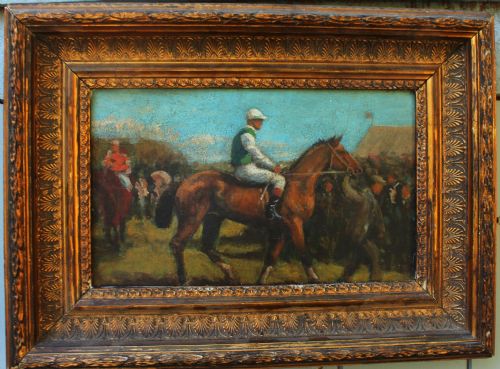
Formats range from detailed individual portraits to wider paddock scenes and dynamic action studies.
Materials and techniques
Artists record these subjects using oil on canvas, watercolour paint, ink, and graphite on paper.
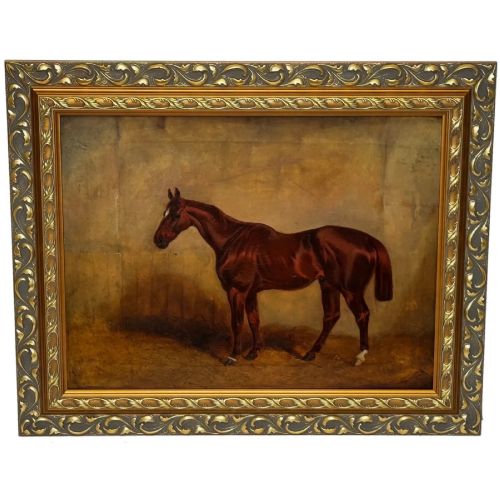
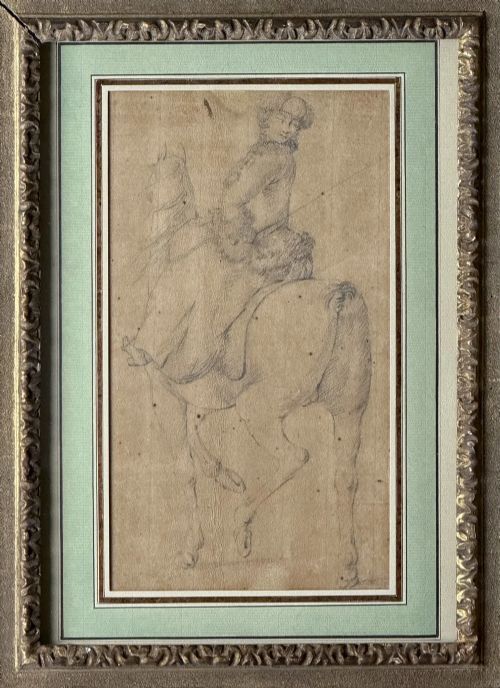
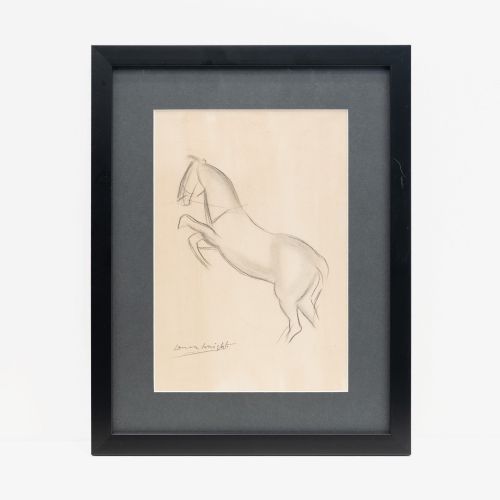
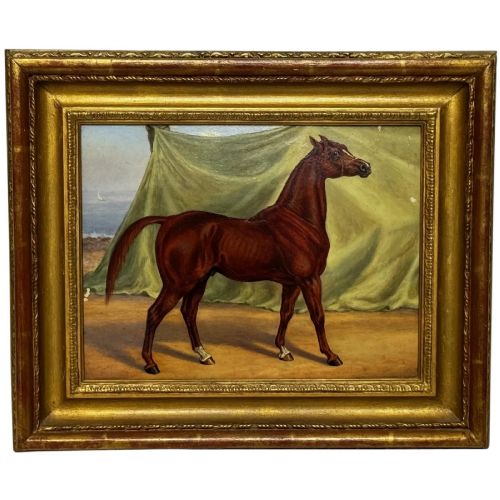
Framed drawings and pastels capture fine anatomical lines, while heavy oil applications build texture in stable and paddock scenes.
Horse Study Artwork Retail Price Guide 2026
Typical asking prices for horse study artwork among the pieces listed under this phrase on Sellingantiques today, from the lower quarter to the upper quarter. They describe what is for sale here now, not the wider market.
One unusual listing even includes a solid bronze nostril salvaged from a larger equine statue.
Assessing quality
Quality rests in the accuracy of equine anatomy and the dexterity with which the artist handles the medium, whether oil or graphite.
Works attributed to specific schools or known hands demonstrate superior draftsmanship compared to standard decorative pieces.
Charles Bilger Spalding·Ernest Payne·Dame Laura Knight·Rowland Henry Hill·Johan Noah Bemmel
The Horse Study Artwork Glossary
- Equestrian Realism
- A style focused on the precise representation of horses and their anatomy. This approach prioritises anatomical accuracy over romantic interpretation.
- Watercolour Paint
- A water-based pigment applied to paper to create translucent washes. It allows for swift execution and delicate tonal shifts.
- Oil on Canvas
- Pigments bound in a drying oil applied to a stretched fabric support. This technique provides rich colour depth and durability.
- Pastel on Paper
- A dry medium consisting of powdered pigment and a binder rolled into sticks. It produces velvety textures and vibrant colour fields.
Horse Study Artwork: Frequently Asked Questions
What periods do these horse artworks cover?
The selections span from the eighteenth century through the Victorian era and into twentieth-century modern British works.
Earlier pieces often reflect Northern European traditions, while later items include twentieth-century modernist interpretations.
What mediums are commonly used?
Works utilise oil on canvas, watercolour, ink, graphite, and pastel on paper.
Framed drawings and engravings also feature alongside traditional oil paintings.
Are these works signed by artists?
Some pieces bear attributions to known figures such as Dame Laura Knight or Rowland Henry Hill.
Others belong to broader stylistic schools like the early eighteenth-century Northern European tradition.
How are these artworks typically displayed?
Most pieces arrive framed, ready for wall hanging in studies, hallways, or living spaces.
Paper works require protection from direct sunlight to preserve the watercolours and inks.