


Horse Portrait Artwork
When you search for horse portrait artwork, you meet painted and drawn studies of individual animals that capture specific beasts from stables and fields.
Horse Portrait Artwork
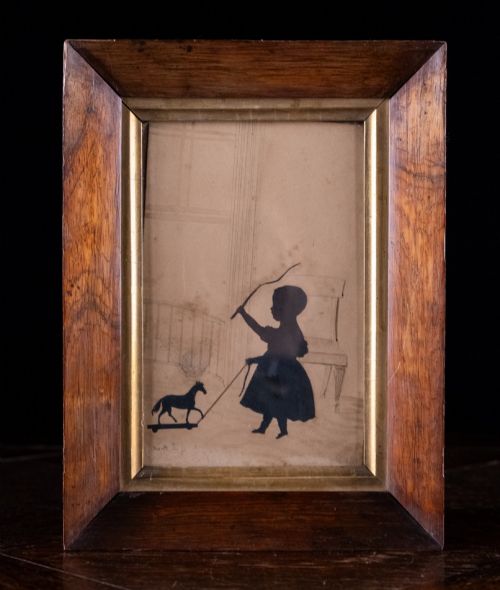
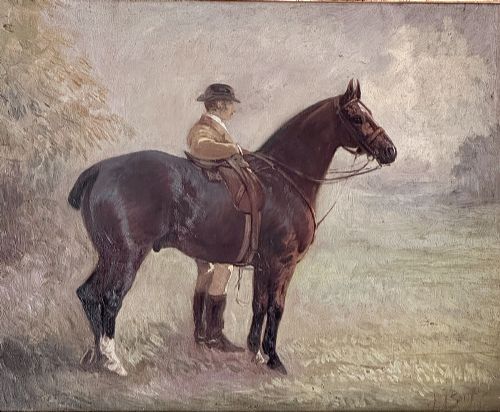
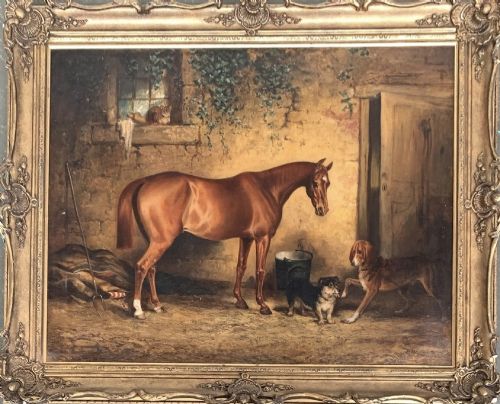
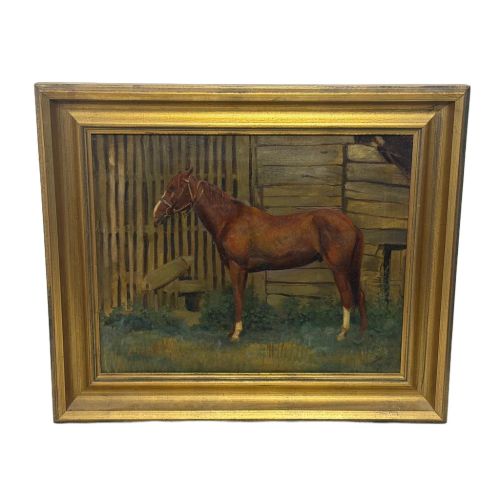
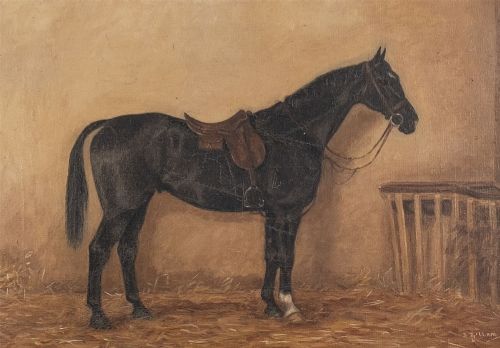
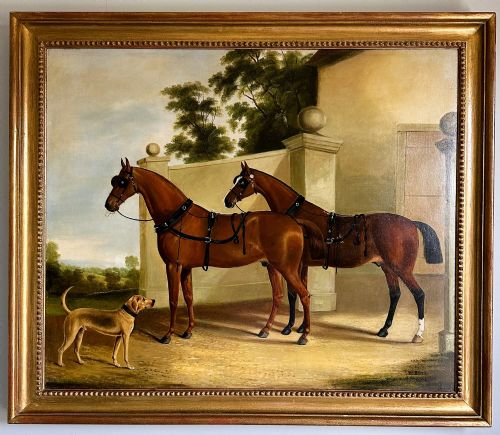
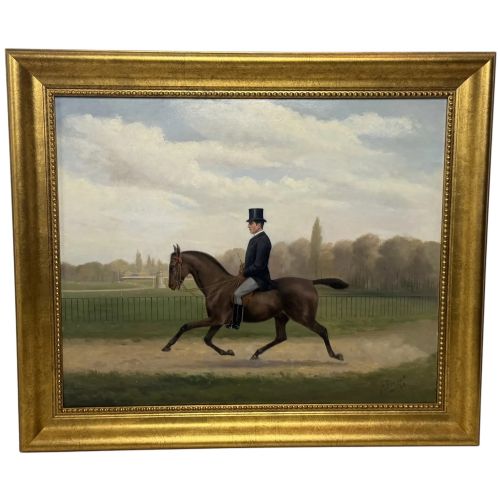
Horse portrait artwork encompasses oil paintings, watercolours, pastels, and drawings centred on individual equines, hunters, and racehorses. These pieces range from Georgian and Victorian sporting commissions to mid-century works.
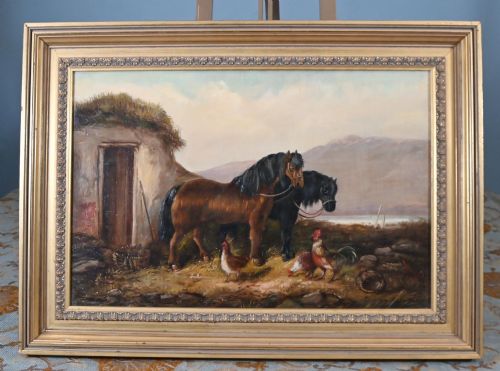
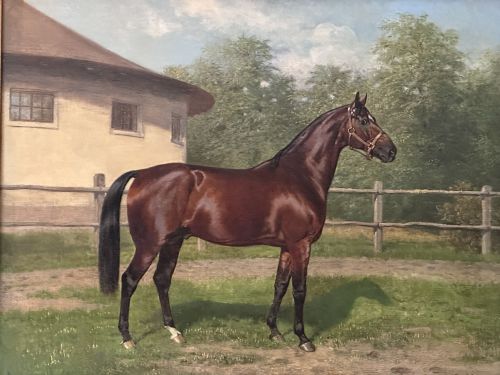
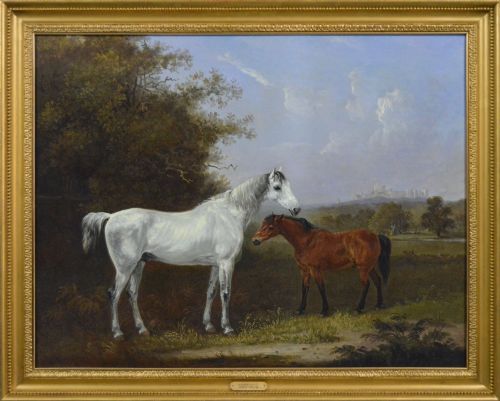
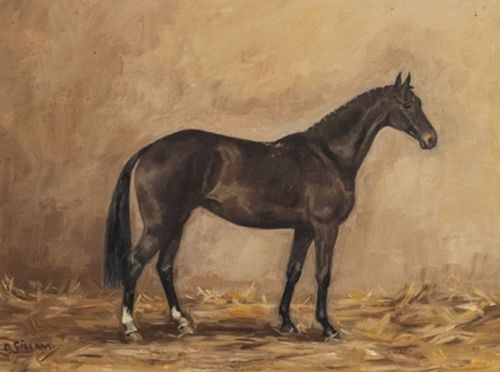
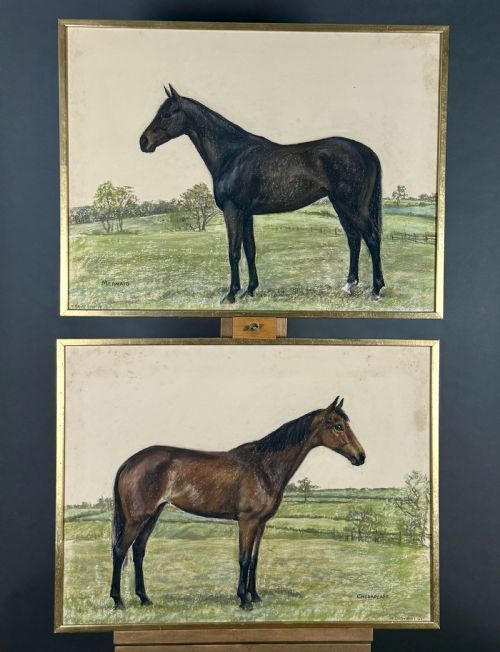
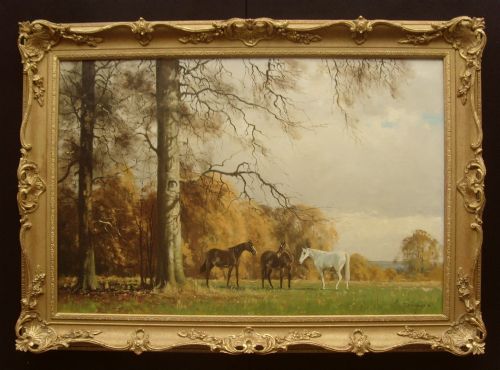
The most common examples on this page are nineteenth-century oil paintings on canvas, often set in stables or open landscapes, alongside later twentieth-century studies in pastel and oil.
How they were made
Artists worked primarily with oil paint on stretched canvas or wooden panels, applying layers of pigment to build the musculature and coat texture of the animal. Others utilised paper, watercolours, and pastel chalks for lighter equestrian studies.
Finished works found their homes within wooden frames, frequently enhanced with gilt or giltwood to accentuate the depth of the composition.
Horse Portrait Artwork Retail Price Guide 2026
Typical asking prices for horse portrait artwork among the pieces listed under this phrase on Sellingantiques today, from the lower quarter to the upper quarter. They describe what is for sale here now, not the wider market.
Listings feature oil paint, pastel, and paper across eighteenth, nineteenth, and twentieth-century periods.
What varies in quality
Quality rests upon the anatomical precision of the horse and the handling of light across the animal's coat. Stronger works capture the distinct temperament and conformation of a named hunter or racehorse rather than a generic template.
The sophistication of the background landscape and the original framing contribute significantly to the standing of a piece, separating straightforward records from accomplished fine art.
Charles Bilger Spalding·Henry Barraud·Walter Robin Jennings·Edmund Bristow·Kurt MeyerEberhardt·Albert Clark·Augustin Edouart·John Ferneley Senior
The Horse Portrait Artwork Glossary
- Oil on Canvas
- Pigment mixed with drying oil applied to a woven fabric support. This technique allows for rich blending of coat colours and deep shadows.
- Giltwood
- Wood carved and covered with a thin layer of gold leaf or metal powder. Such frames are frequently paired with nineteenth-century equestrian oils.
- Pastel
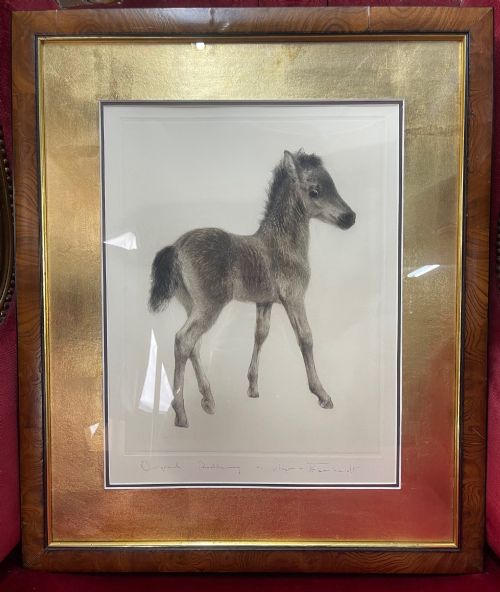
- A medium consisting of powdered pigment and a binder rolled into sticks. It produces velvety surfaces seen in detailed equine head studies.
- Mezzotint
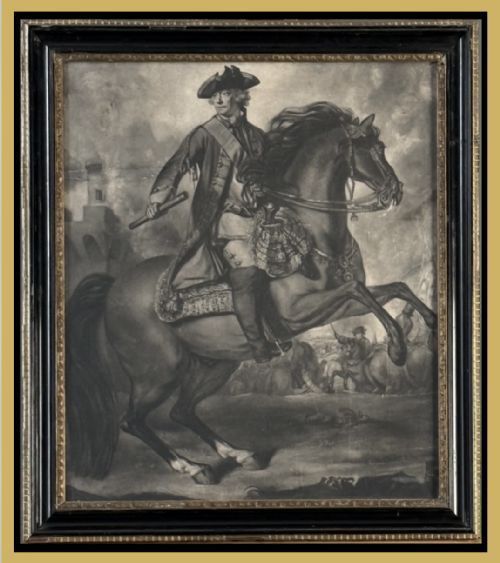
- A printmaking process of the drypoint method enabling grey and black halftones. This technique translated rich painted portraits into reproducible prints.
Horse Portrait Artwork: Frequently Asked Questions
What periods do these horse portraits cover?
The works span from the eighteenth century through the Georgian and Victorian eras into the mid-twentieth century. Most examples date from the nineteenth century.
Later pieces extend into the nineteen-fifties and sixties, reflecting shifting styles in British sporting and equestrian art.
How were these artworks displayed historically?
Owners hung these portraits in country houses, estate offices, and stable blocks to record prized hunters, racehorses, and family pets. Gilt frames gave the canvases formal presence in reception rooms.
Smaller watercolours and pastels often stayed in libraries or private studies alongside sporting journals.
How do I identify a Victorian horse painting?
Victorian pieces often depict named hunters or racehorses in detailed stable interiors or rolling estate pastures. The palette relies on deep earth tones, rich bays, and chestnuts.
Artists of this era focused heavily on correct equine anatomy and the specific markings of the animal.
Can I find works depicting specific racehorses?
Several pieces record famous nineteenth-century and early twentieth-century runners, such as derby winners and named thoroughbreds. Inscriptions on the canvas or reverse often supply the horse's identity and connections.
These named portraits carry particular appeal for collectors of racing history.