




Horse and Rider Art
Horse and rider art captures the dynamic union of human and animal through centuries of painting, sculpture, and works on paper.
Horse and Rider Art
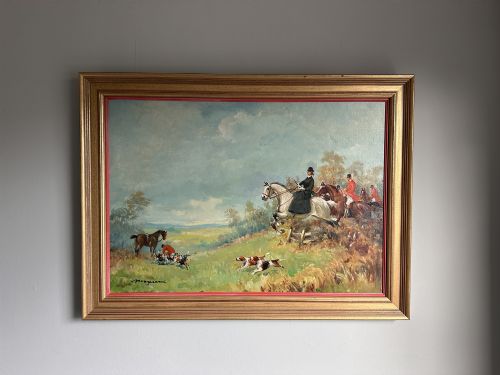
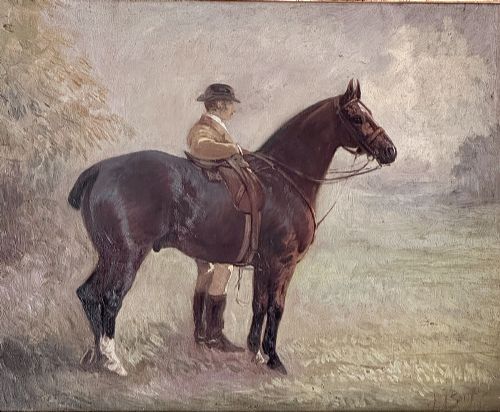
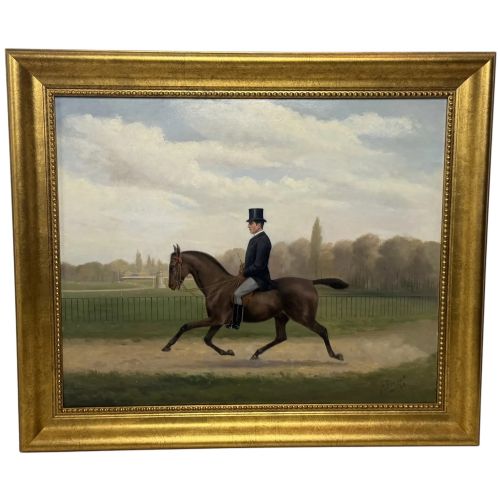
When buyers search for horse and rider art, they encounter a diverse selection of equestrian subjects spanning from the Georgian period through the mid-twentieth century. The selection ranges from oil paintings on canvas and watercolours on paper to bronze sculptures and folk art reliefs.
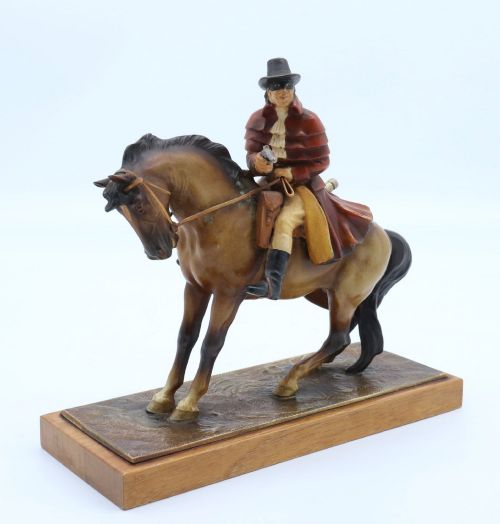
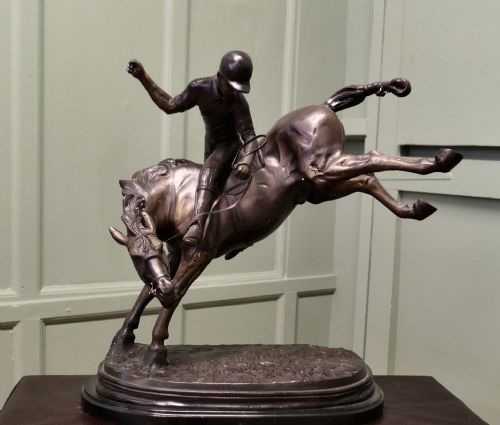
The most frequent examples on this page include nineteenth-century and early twentieth-century oil paintings depicting hunts, polo matches, and military portraits. Sculptural interpretations in bronze and marble dust also feature prominently, often capturing action scenes like bucking broncos and polo players.
Materials and construction
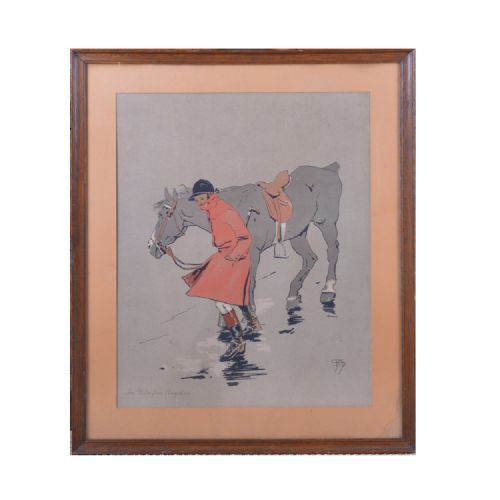
The traditional works utilise oil on canvas or delicate watercolours and inks on paper, often framed to preserve the medium. Painters build depth through layered brushwork, capturing the sheen of horse coats and the tailored dress of riders.
Sculptural pieces employ cast bronze, marble dust, and carved wood, reflecting the period's preference for tactile, three-dimensional forms. Metal elements receive patination, while folk art examples demonstrate direct manipulation of natural wood branches and silhouettes.
Horse and Rider Art Retail Price Guide 2026
Typical asking prices for horse and rider art among the pieces listed under this phrase on Sellingantiques today, from the lower quarter to the upper quarter. They describe what is for sale here now, not the wider market.
Listings span from the seventeenth century to the mid-twentieth century, encompassing oil, bronze, watercolour, and folk art.
Markers of quality
Quality rests upon the artist's ability to render the anatomy and motion of the animal alongside the posture of the rider. Superior examples demonstrate fluid brushwork or precise casting that conveys tension in muscle and rein without stiffness.
The handling of light and atmosphere separates accomplished works from ordinary production, particularly in oil paintings and watercolours. Materials also indicate tier, with heavy cast bronze commanding greater presence than composite dust reliefs.
John Rattenbury Skeaping·Anne Goldthwaite·Arthur Longley Vernon·Frank Algernon Stewart·Frank Dadd
The Horse and Rider Art Glossary
- Chromolithograph
- A multicoloured print produced through lithography, using a separate stone for each colour used. These prints replicate the look of original watercolours.
- Patina
- The surface sheen or colour that develops on bronze sculpture over time or through chemical treatment. It adds depth and protects the metal beneath.
- Relief
- A sculptural technique where figures project from a flat background. Marble dust versions offer a textured alternative to traditional stone carving.
- Silhouette
- A two-dimensional representation of the profile of a figure, typically filled in with a solid dark colour. Georgian examples often depict huntsmen and riders in profile.
- Equestrian
- Pertaining to horse riding or horseback riders. This category encompasses all art forms centred on horses and their human handlers.
Horse and Rider Art: Frequently Asked Questions
What subjects appear in horse and rider art?
The subjects range widely from military portraits and formal hunts to polo matches and western rodeo scenes. Artists frequently documented contemporary sporting life and leisure activities.
Agricultural and folk art pieces also feature, depicting everyday riders in country lanes and traditional rural settings.
How are bronze sculptures cast?
Sculptors shape their figures in clay or wax before creating a mould for molten bronze pouring. The metal cools to form a durable and detailed representation.
Finishing touches include polishing and applying patination to accentuate the musculature of the horse.
How do I care for antique watercolours?
Watercolours on paper require protection from direct sunlight to prevent fading of the pigments. Framing behind conservation-grade glass safeguards the paper from moisture and dust.
Stable indoor humidity levels ensure the paper support does not warp or degrade over time.
How can I tell the period of a painting?
Clothing styles, riding attire, and framing materials offer reliable clues to the era of creation. Victorian and Edwardian works often display distinct fashion details and framing techniques.
Artists' signatures and historical records further anchor the piece to a specific decade or century.