



Horizontal Gold Mirror
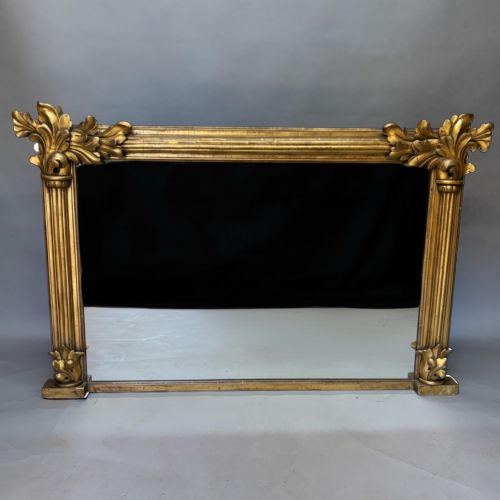
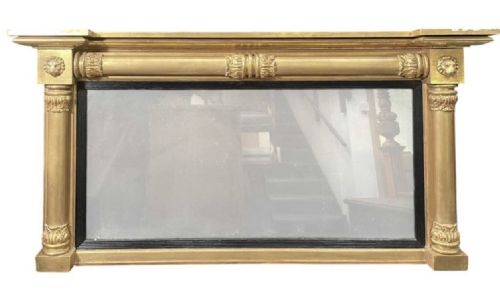
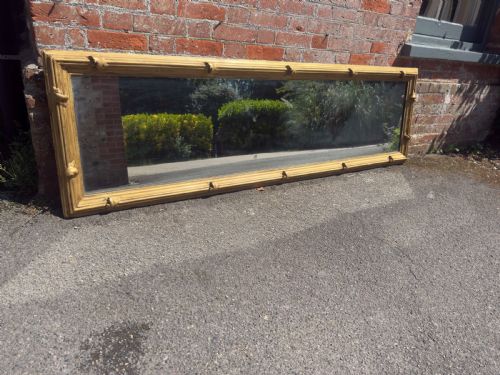
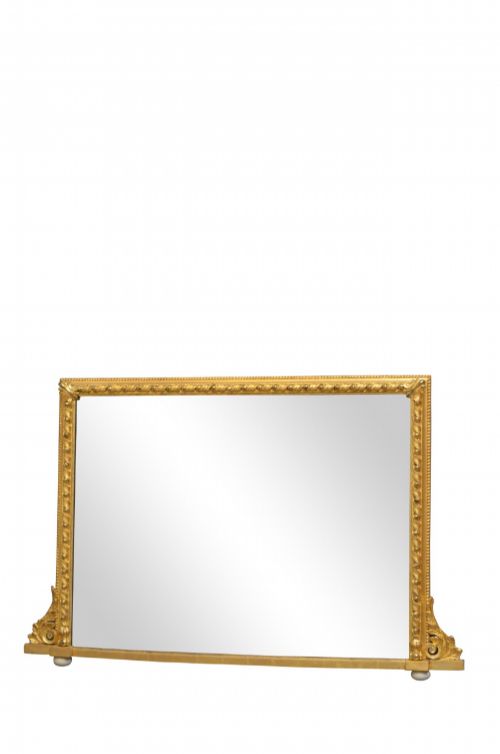
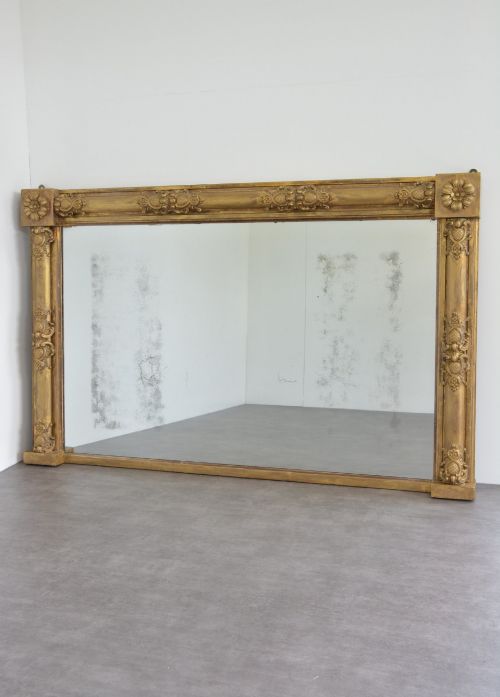
A horizontal gold mirror brings breadth and light to a room, most often seen here as a nineteenth-century overmantel designed to hang above a fireplace.
Horizontal Gold Mirror
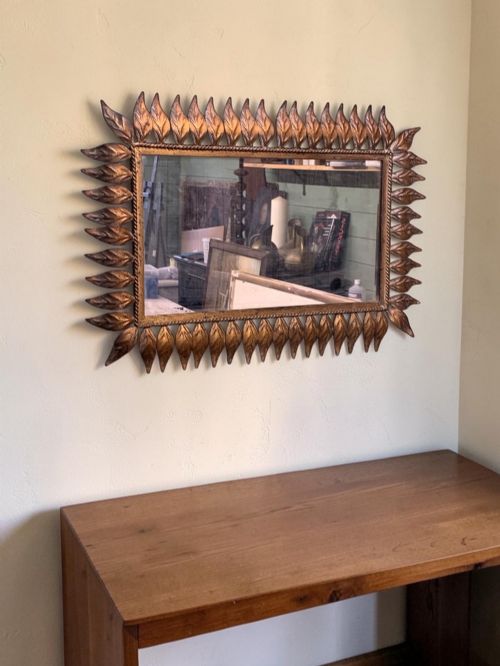
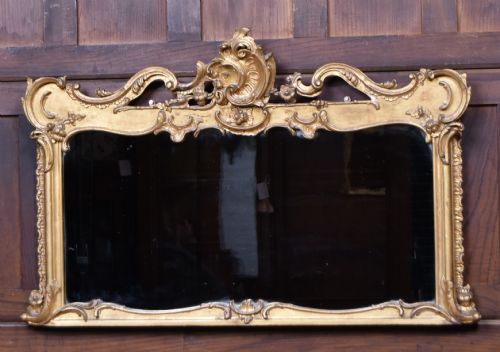
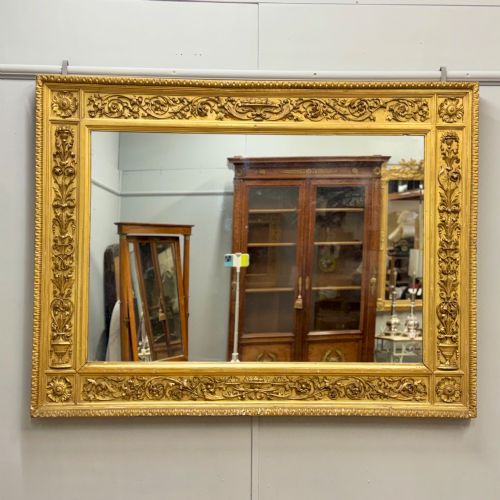
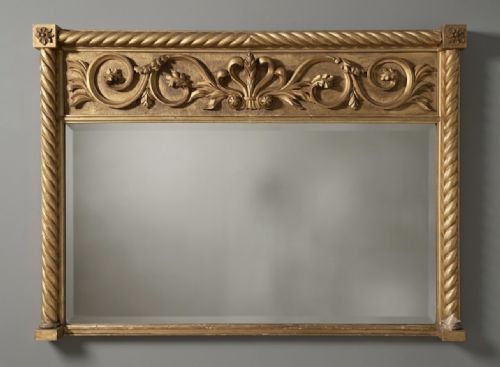
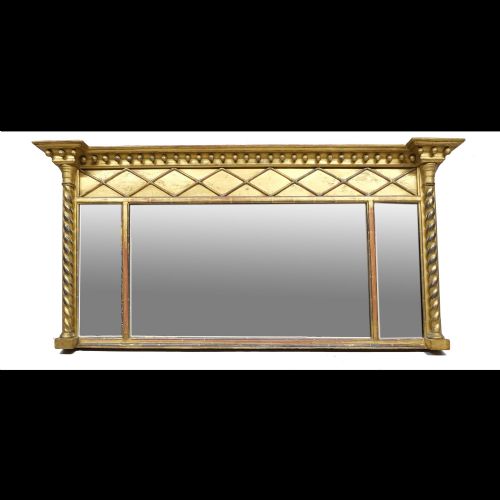
A horizontal gold mirror is predominantly represented on this page by overmantel mirrors and wall mirrors originating from the eighteenth, nineteenth, and twentieth centuries. These pieces span Georgian, Regency, Victorian, and Art Deco styles, bringing wide proportions designed to sit above a mantelpiece or anchor a principal wall.
The version you are most likely to meet on this page is a nineteenth-century giltwood or gesso overmantel mirror, often bearing the classical proportions and gilded surfaces favoured in Regency and Victorian interiors. Alongside these traditional forms, occasional twentieth-century examples in metal frame or Art Deco design appear.
The selection ranges from small wall mirrors to large carved pier mirrors and tryptic overmantels. Each object reflects the prevailing decorative taste of its period, shifting from ornate Rococo revival curves to simpler geometric lines.
How they were made
Makers constructed these frames using wood, gesso, and composition applied over a carved or moulded wooden base before adding gold leaf or paint. Giltwood and parcel gilt finishes required skilled application of thin metal leaf to prepared surfaces, while ebonised wood or painted accents provided contrast.
Glass panels were silvered and fitted into the frames, sometimes showing the characteristics of age such as light foxing. Frame construction involved traditional joinery for the structural wood, combined with moulded composition ornaments for intricate decorative details.
Horizontal Gold Mirror Retail Price Guide 2026
Typical asking prices for horizontal gold mirror among the pieces listed under this phrase on Sellingantiques today, from the lower quarter to the upper quarter. They describe what is for sale here now, not the wider market.
Materials recorded across the inventory include giltwood, gesso, composition, ebonised wood, and original mirror glass.
What varies in quality
The quality of a horizontal gold mirror rests upon the crispness of the carved or moulded ornament and the depth of the gilding. Finer pieces display sharply defined gesso work and substantial carved wood construction rather than heavy composition plaster moulded in quantity.
Proportion and architectural balance set superior examples apart from simpler items. The preservation of original mercury or early plate glass, along with untouched original gilding surfaces, distinguishes the most desirable pieces in the range.
The Horizontal Gold Mirror Glossary
- Overmantel mirror
- A wide mirror specifically proportioned to hang on the wall directly above a fireplace mantelpiece. These frames were usually horizontal to follow the breadth of the hearth.
- Giltwood
- Timber, commonly pine or gesso-coated wood, that has been covered with thin sheets of gold leaf. This finish gives the warm metallic lustre characteristic of traditional frames.
- Gesso
- A plaster mixture applied to wood frames as a smooth base for gilding or painting. It is frequently moulded into raised decorative motifs and scrollwork.
- Composition
- A moulded mixture of whiting, resin, glue and oil used to create ornamental details on mirror frames. It offered a quicker alternative to hand-carving wooden relief decoration.
- Pier mirror
- A large tall or wide mirror designed to hang on the wall space between windows. These pieces often matched the architectural scale of high-ceilinged period rooms.
- Tryptic mirror
- A mirror divided into three distinct vertical sections within a single frame. This tripartite form was particularly popular during the Regency period for overmantel placement.
Horizontal Gold Mirror: Frequently Asked Questions
How do I identify a Regency mirror?
Regency mirrors often feature classical architectural elements such as reeded columns, ball-bearing friezes, and giltwood finishes. The frames frequently employ convex or flat rectangular formats designed to command a principal wall.
Look for evidence of gesso over carved wood construction and proportions typical of the early nineteenth century. Tryptic divisions and parcel gilt painted details also point directly to this period.
What is foxed glass?
Foxed glass refers to the natural ageing of the silver backing inside the mirror plate, which produces small dark spots or cloudy patches. This occurs over decades as moisture interacts with the reflective coating.
Many collectors value light foxing as proof of age and authenticity rather than a defect. It creates a softer, more atmospheric reflection than modern manufactured glass.
How do I clean a gilded frame?
Gilded frames require gentle dusting with a soft, dry brush to remove particles without disturbing the delicate gold leaf surface. Moisture and chemical cleaners should be avoided entirely to prevent stripping the historic finish.
For stubborn dust trapped in carved gesso or composition details, use a very soft artist brush. Regular light maintenance preserves the fragile metallic surface far better than occasional deep cleaning.