



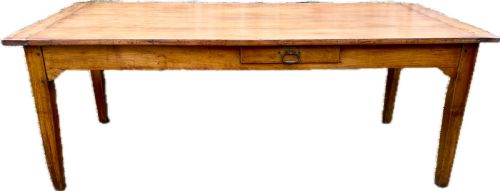
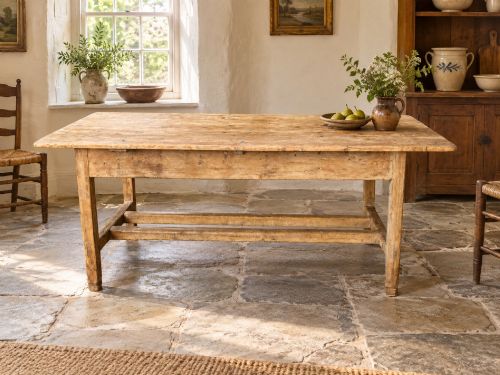


Honey Timber Dining Table
A honey timber dining table brings warmth to a room through genuine grain and time-worn warmth.
Honey Timber Dining Table
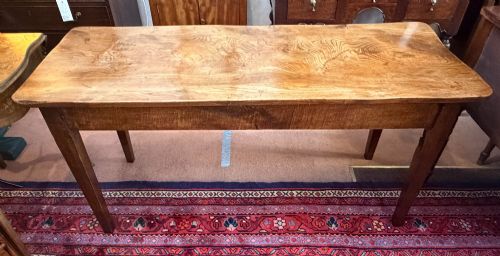
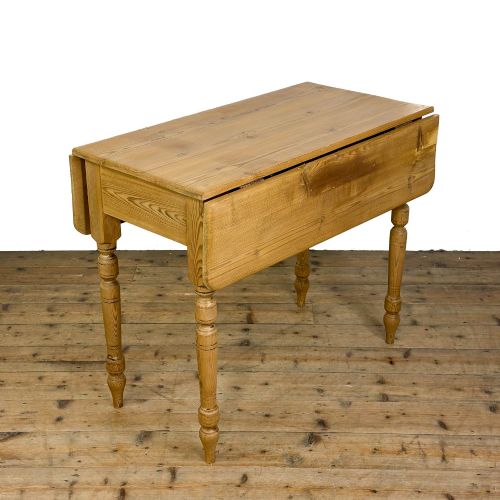
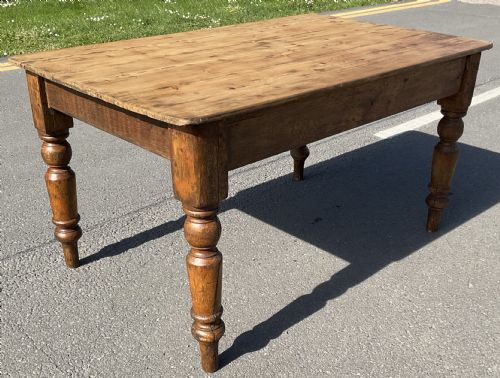
A honey timber dining table is a functional kitchen or dining centrepiece shaped by centuries of use and regional traditions. These pieces appear in forms such as farmhouse tables, kitchen tables, and drop leaf kitchen tables.
The selections on this page span the nineteenth century, including specific years like 1860, 1870, 1880, 1890, and 1910, alongside the broader Victorian era. You will encounter English country, Irish country, French provincial, and rustic farmhouse styles.
Most examples found here utilise pine, oak, elm, cherry, fruitwood, and iron components. Pieces range from large farmhouse surfaces to specialised designs featuring bread slide additions.
How they were made
Construction relies on solid timbers like pine, oak, elm, cherry, and fruitwood shaped into sturdy kitchen tables and refectory formats. Makers selected these woods for their resilience in daily domestic work and communal dining.
Joinery techniques supported heavy daily use in farmhouse environments, occasionally integrating iron hardware for stability. Surfaces developed their character through simple hand-tool shaping and generations of domestic friction.
Honey Timber Dining Table Retail Price Guide 2026
Typical asking prices for honey timber dining table among the pieces listed under this phrase on Sellingantiques today, from the lower quarter to the upper quarter. They describe what is for sale here now, not the wider market.
Listings on this page feature pine, oak, elm, cherry, and fruitwood across the nineteenth century.
What varies in quality
Quality rests in the integrity of the timber selection and the retention of original structural form. Tables fashioned from dense woods like elm, oak, and cherry hold a different presence compared to softer pine variants.
Proportion and regional character dictate desirability, from Irish and English country formats to French farmhouse designs. The presence of functional additions, such as a bread slide, separates standard tables from more distinctive iterations.
The Honey Timber Dining Table Glossary
- Bread slide
- A pull-out wooden shelf historically used for cooling loaves or expanding surface space. This feature appears beneath the main top in certain regional farmhouse tables.
- Drop leaf
- A hinged flap on a table edge that folds down when not in use. This mechanism allows a kitchen table to adapt to smaller rooms.
- Refectory
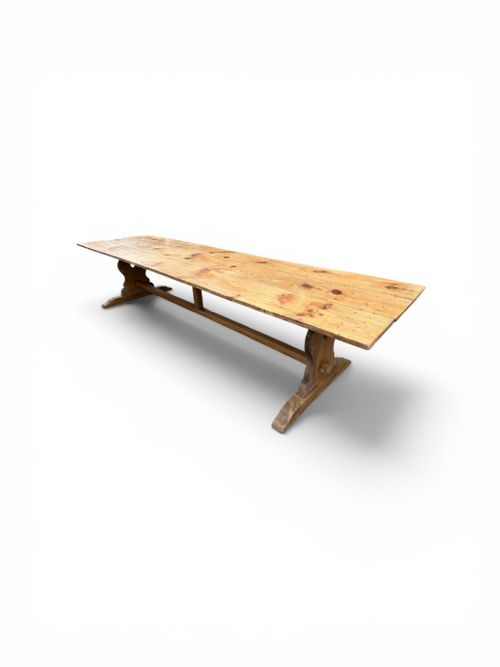
- A long dining table traditionally built for communal meals in monastic or large domestic settings. These surfaces are designed to accommodate large gatherings.
- Fruitwood
- Timber sourced from fruit-bearing trees such as cherry or apple, prized for a tight grain. It yields a warm hue that deepens over decades of exposure.
Honey Timber Dining Table: Frequently Asked Questions
Where were these tables used?
These tables served as the working heart of country kitchens, farmhouses, and domestic dining spaces. They accommodated everything from meal preparation to family gatherings.
Their robust construction suited them for daily labour and heavy domestic use across generations.
How do I clean timber surfaces?
Maintain timber surfaces by dusting with a soft, dry cloth and avoiding harsh chemical cleaning agents. Preserve the natural finish by applying appropriate natural waxes sparingly.
Keep wooden tables away from direct heat sources and excessive moisture to protect the structural integrity of the timber.
What defines a farmhouse table?
A farmhouse table is characterised by a practical, unpretentious rectangular wooden top supported by sturdy legs. They were built for utility in rural kitchens and dining rooms.
Many examples exhibit patination gained from extensive domestic employment over the centuries.
How can I date a pine table?
Dating relies on examining construction methods, tool marks, and the specific characteristics of the timber grain. Nineteenth-century examples often display hand-sawn board widths and traditional joinery.
Comparing the style against known regional variations helps narrow down the period of manufacture.