



Honey Pine Storage Trunk
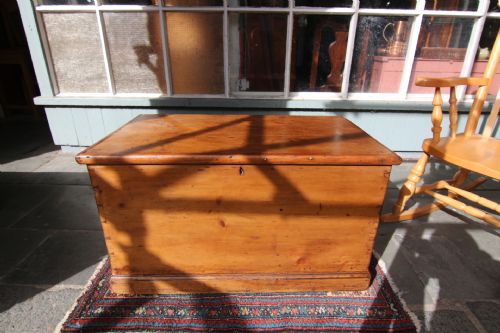
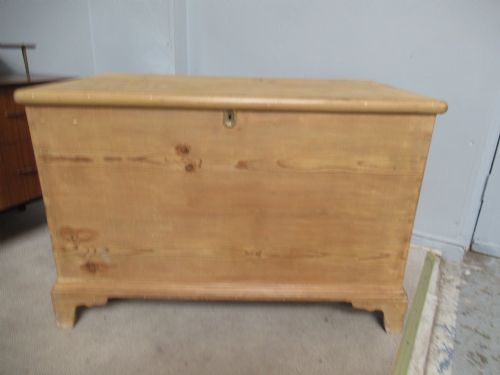
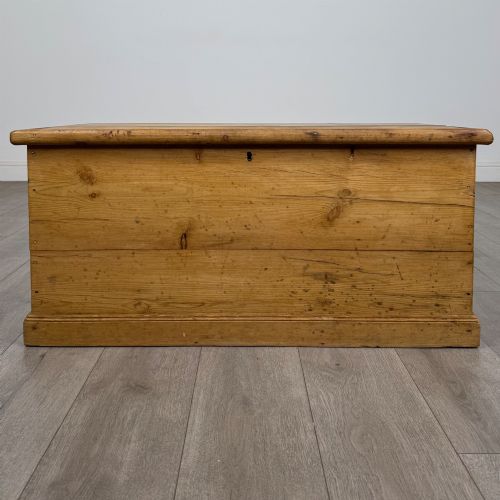
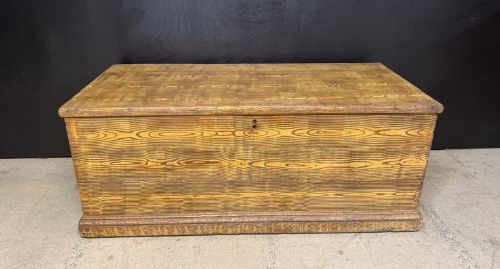
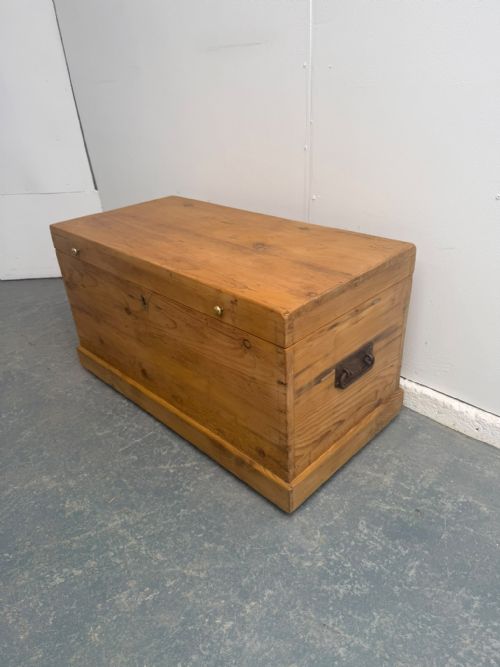
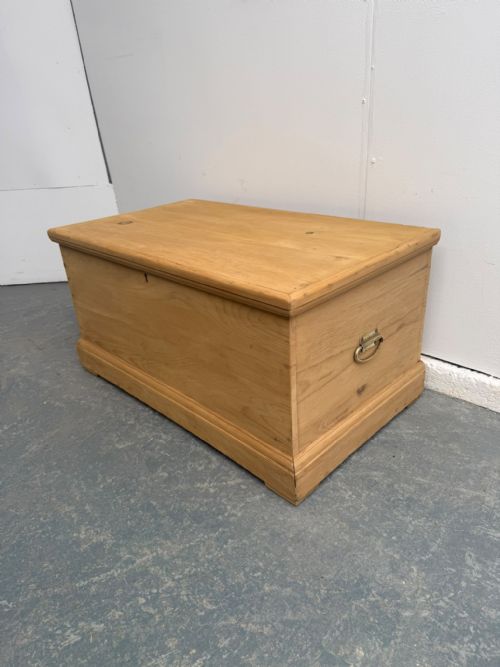
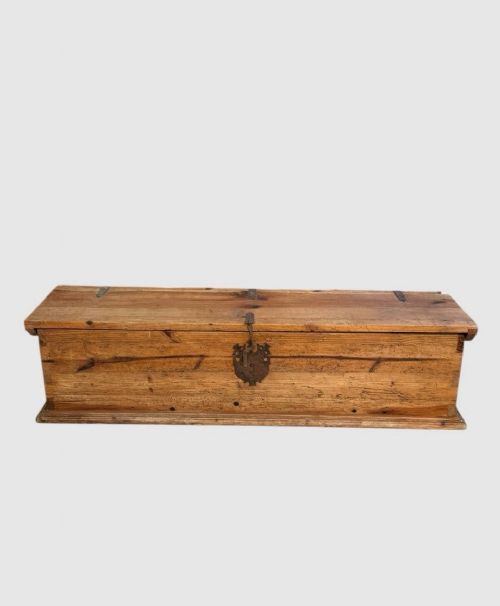
A honey pine storage trunk brings warm, golden timber and honest utility into a room, offering deep space for blankets, logs or household linen.
Honey Pine Storage Trunk
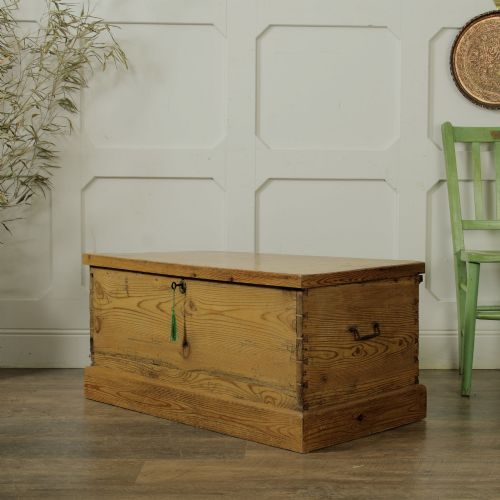
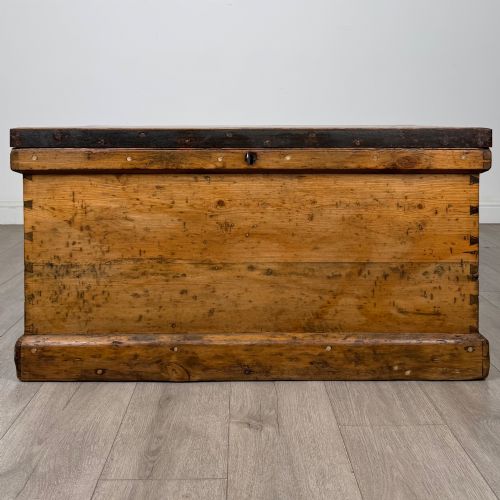
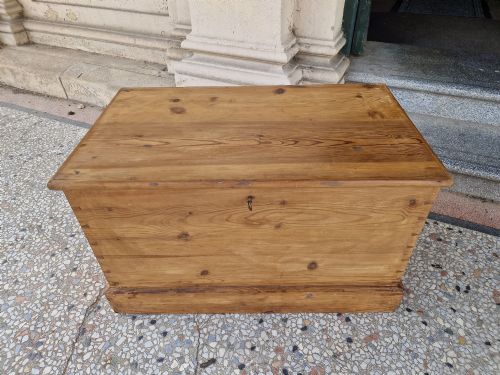
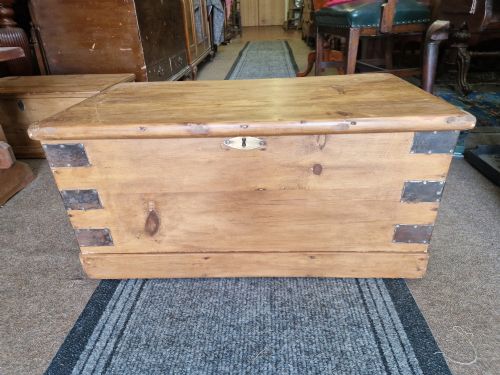
The version you are most likely to meet on this page is a nineteenth-century Victorian blanket box or a Georgian mule chest fashioned from solid pine, often finished with a warm wax that brings out the golden grain. Many examples feature practical internal compartments, side lifting handles, and working iron or brass locks for secure everyday storage.
What varies in quality
The distinction between a standard utility box and a finer example lies in the weight of the timber, the subtlety of the waxed finish, and the presence of integral drawers or fitted internal compartments. Pieces featuring dovetail joinery, panelled lids, and original brass or heavy iron hardware represent a more thoughtful level of regional craftsmanship.
Proportions also dictate the grade of a piece, with low, wide configurations and early Georgian mule chests commanding attention for their balanced scale. Superior examples retain their original working locks and lifting handles, reflecting careful preservation over generations.
Regional styles represented include Welsh country, Scandinavian country and rustic farmhouse vernacular forms.
The Honey Pine Storage Trunk Glossary
- Mule chest
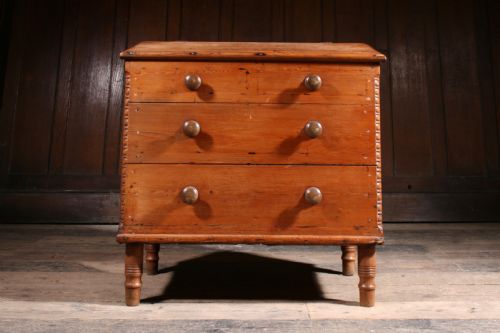
- A storage chest fitted with one or more drawers beneath the main compartment. This form bridges the gap between a traditional blanket box and a chest of drawers.
- Pitch pine
- A resinous variety of pine known for its durability and prominent grain pattern. It provides exceptional strength for heavy trunks and travelling chests.
- Blanket box
- A deep, lidded chest designed originally for storing textiles and bedding. These pieces form the foundation of country and vernacular furniture.
- Till box
- A small internal compartment built into the corner of a chest. It serves to hold smaller valuables separate from the main storage area.
- Dome top
- A rounded lid construction designed to shed water during travel. This profile appears frequently on nineteenth-century trunks.
Honey Pine Storage Trunk: Frequently Asked Questions
How do I date a pine trunk?
Dating relies on observing construction details, timber characteristics and hardware styles. Earlier pieces from the eighteenth century often display hand-cut dovetails and pegged joints, whilst Victorian examples frequently utilise machine-sawn boards and heavier iron fittings.
Changes in handle design and lock mechanisms also provide clues to the decade of manufacture. Examining the interior and the wear patterns on the base helps confirm the period.
What was a mule chest used for?
A mule chest served as a versatile piece of household furniture for storing garments, linens and blankets. The addition of drawers at the base allowed easier access to smaller items without requiring the heavy lid to be opened entirely.
In period homes, they stood in bedrooms or hallways as the primary storage solution before fitted wardrobes became common. Today, their generous proportions make them practical for modern living spaces.
How should I care for waxed pine?
Waxed pine benefits from occasional applications of natural beeswax to nourish the timber and maintain its warm lustre. Avoid placing the chest near direct heat sources or strong sunlight, which can dry out the wood and cause the boards to split.
Dusting regularly with a soft, dry cloth protects the finish. Spills should be wiped away immediately to prevent water marks on the waxed surface.
Can I use a trunk as a coffee table?
Low and wide blanket boxes lend themselves well to dual use as living room coffee tables. Their flat lids provide a stable surface for books and trays while concealing generous storage within.
When selecting a trunk for this purpose, check the height and surface area to ensure it matches your seating proportions. Ensure the lid is securely hinged and stable.