



Historical Watercolor
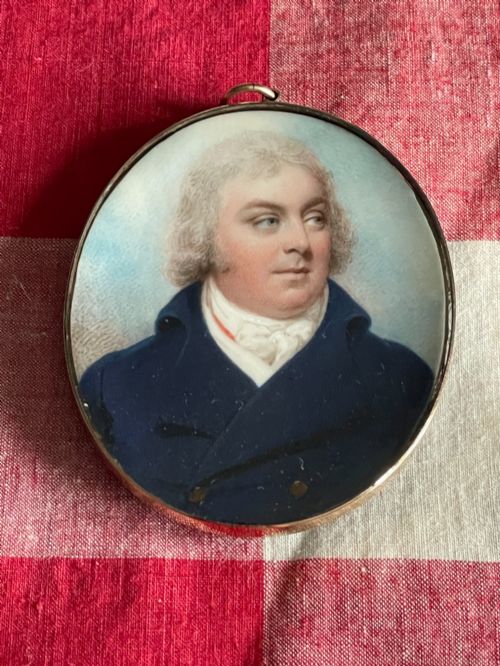
Historical watercolor works span portrait miniatures and detailed topographical views from Georgian and Regency times through to the early twentieth century.
Historical Watercolor
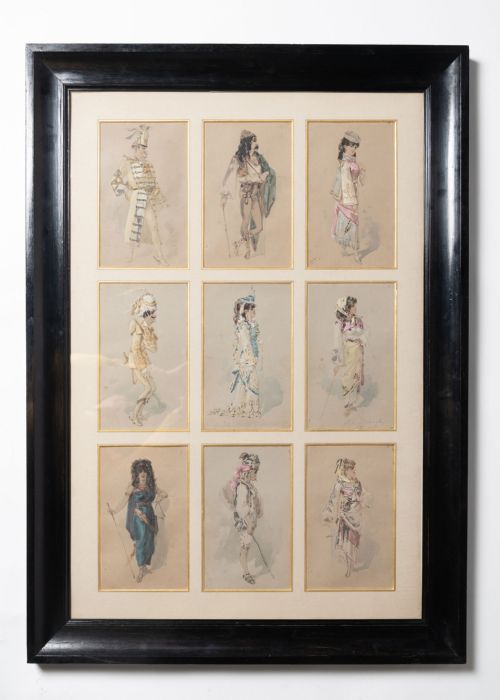
When you search for historical watercolor, you encounter works on paper encompassing portrait miniatures, military scenes, maritime views, and landscape paintings. These pieces capture specific individuals, ships, and towns from the eighteenth century up to the middle of the twentieth century.
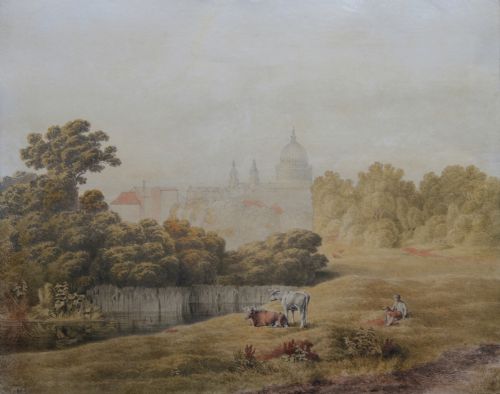
The selection on this page relies heavily on nineteenth-century and early twentieth-century examples, including Georgian and Regency portraiture, British marine paintings, and topographical townscapes. Subjects range from named sitters and naval vessels to Yorkshire harbours and London landmarks.
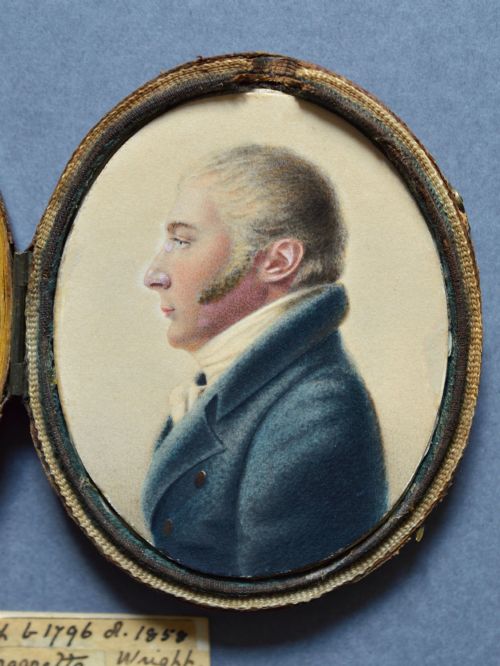
Forms vary from small, intimate oval portrait miniatures housed in gilt metal stands to larger framed landscape artworks. Media span pure watercolour pigment, ink washes, and combinations of watercolour with pencil or bodycolour on paper.
How they were made
Artists applied water-soluble pigments onto prepared paper surfaces, often building up translucent washes to create depth in skies and landscapes. Ink was frequently utilised alongside watercolour for detailed outlines, particularly in architectural and military works.
Portrait miniatures required exceptional precision on a small scale, sometimes executed on specialised material or paper mounted behind protective glass. Framing typically involved wood, gilt wood, or ebonised wood to preserve the fragile paper from environmental exposure.
Historical Watercolor Retail Price Guide 2026
Typical asking prices for historical watercolor among the pieces listed under this phrase on Sellingantiques today, from the lower quarter to the upper quarter. They describe what is for sale here now, not the wider market.
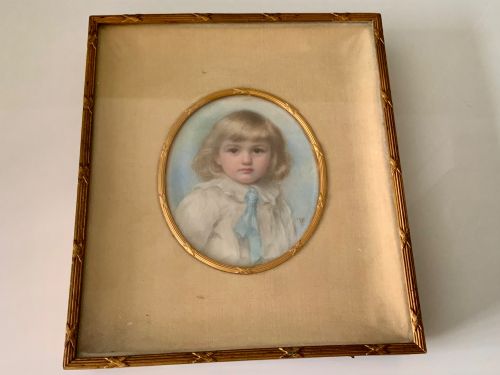
A three-month-old infant named Robert Spearman Swinburne sits immortalised in an ink and watercolour portrait from the Regency period.
What varies in quality
Technical skill separates fine portrait miniatures and marine views from naive or provincial output. The handling of facial likeness, proportion, and atmospheric perspective distinguishes works by established practitioners from simpler school pieces.
Condition and legibility define the appeal of works on paper. Strong retention of original pigment colour and minimal fading from light exposure preserve the intended tonal contrasts set down by the painter.
Alessandro Cittadini·Henri Fradelle·Alfred George Morgan·Vincenzo D’Esposito·Frank Wood·Henry Barlow Carter·William Wyld·Walter Duncan·George Hargreaves·Thomas Woolnoth
The Historical Watercolor Glossary
- Portrait miniature
- A small-scale painted likeness, often executed on paper or vellum during the eighteenth and nineteenth centuries. These intimate works were frequently mounted in protective cases or frames.
- Topographical view
- An accurate drawing or painting of a specific geographic location, townscape, or building. These works serve as visual records of historical sites and changing urban landscapes.
- Bodycolour
- Watercolour paint mixed with a white pigment to make it opaque rather than translucent. Artists utilised this technique to add highlights and solid areas of colour to paper works.
- Wash
- A thin, fluid layer of diluted watercolour pigment spread evenly across paper. Painters employed washes to establish background skies, water, and large shaded areas.
Historical Watercolor: Frequently Asked Questions
How should I frame and display historical watercolours?
Keep works on paper away from direct sunlight to prevent the pigments from fading over time. Utilise UV-filtering glass and acid-free mounts during framing to protect the delicate paper surface.
Ensure pieces are hung in rooms with stable humidity levels. Avoid areas subject to dampness or extreme temperature fluctuations to preserve both the paper and the wooden or gilt frames.
What subjects appear most frequently in these paintings?
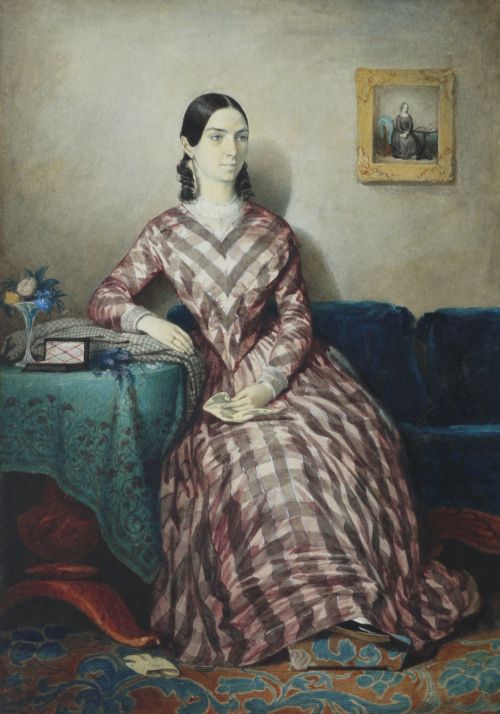
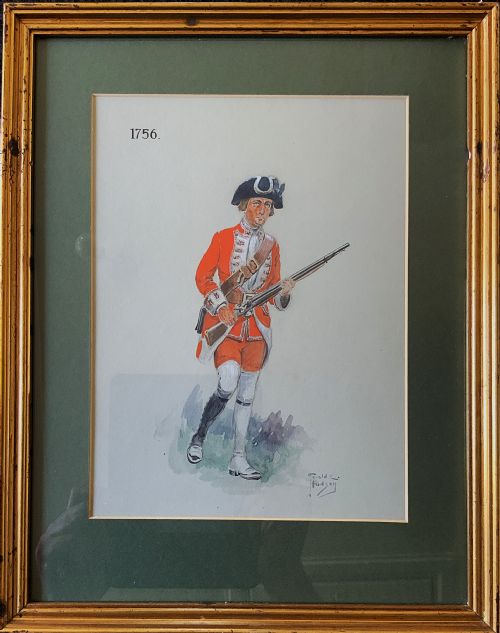
Portraits dominate the earlier periods, ranging from detailed Georgian miniatures of named individuals to Regency folk art and military personnel. These provide direct visual records of people from past centuries.
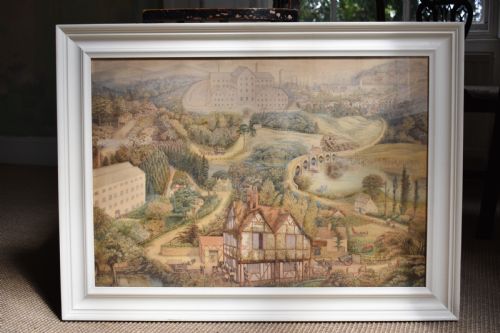
Landscapes and maritime scenes also feature prominently, recording British harbours, rivers, and townscapes. Artists documented contemporary life, naval vessels, and industrial sites such as breweries and dockyards.
How do I identify the period of a watercolour painting?
Examine the costume, hair styling, and framing methods of portrait subjects for initial chronological clues. Georgian and Regency pieces often display specific dress codes and miniature mount styles distinct from Victorian examples.
Look for artist signatures, dates inscribed on the reverse, or titled mounts. Topographical subjects also offer clues through depicted buildings and historical events referenced in the composition.
What is the difference between a miniature and a standard painting?
Portrait miniatures are executed on a very small scale, designed to be held in the hand, worn, or displayed in small frames. They rely on meticulous brushwork and fine detail rather than broad painterly strokes.
Standard watercolours offer larger compositions suited for wall display, allowing artists to develop expansive landscapes and complex architectural scenes. These utilise washes and wider palettes to create atmospheric depth.