


Historical Staffordshire Pottery
Historical Staffordshire pottery brings transatlantic history and royal portraits directly to your shelves through transferware plates and moulded earthenware figures.
Historical Staffordshire Pottery
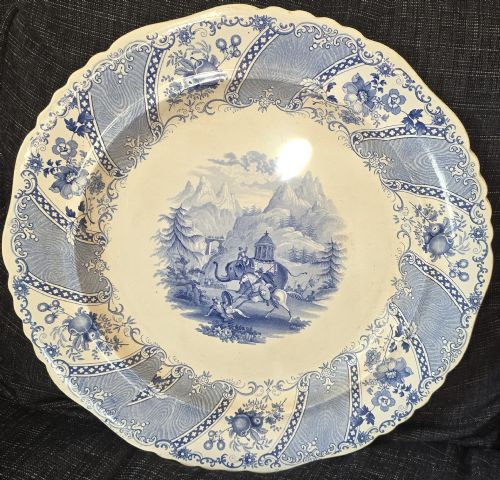
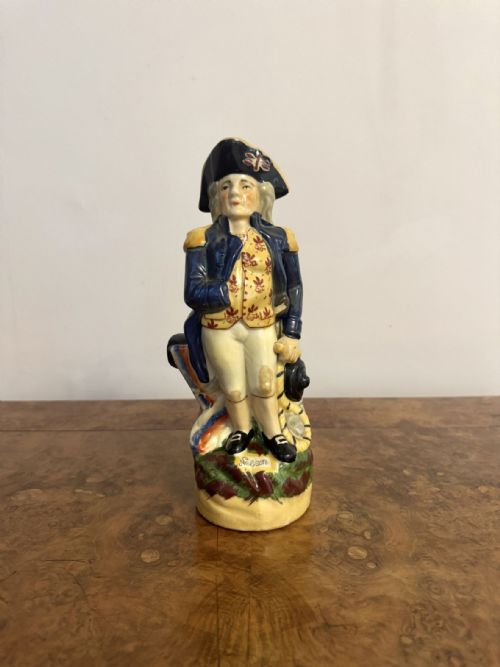
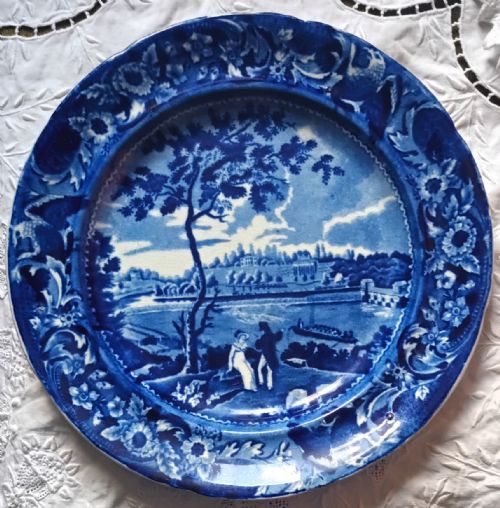
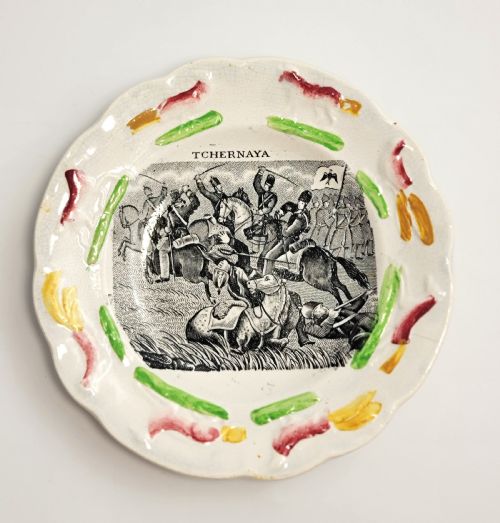
When you search for historical staffordshire pottery, you find earthenware objects spanning the Georgian and Victorian eras, dominated by transfer-printed plates and portrait figures. The blue and white transfer plates record American views, English halls, and Crimean war scenes, whilst the figures capture military leaders, royals, and historical personalities.
You are most likely to meet 19th-century blue and white plates alongside painted ceramic figures depicting notable figures such as Napoleon III and Benjamin Franklin. These pieces reflect both domestic British taste and a booming export market aimed at American collectors.
Forms range from decorative plates and dishes to Toby jugs and ceramic figurines. Each piece relies on traditional moulding and printing methods standard to Staffordshire potteries of the period.
Materials and methods
Potters shaped these objects using earthenware, pearlware, and porcelain, finished with lead glazes and ceramic glaze. The bodies were moulded or thrown before receiving hand-painting or transfer-printing in blue and other colours.
Transfer printing allowed intricate topographical scenes to be applied to plates and tea plates with consistent detail. Enamel paint and glaze were subsequently applied by hand to accent the moulded figures and portraits.
Potters occasionally named figures by mistake, giving us a Benjamin Franklin figurine proudly labelled Washington.
Assessing quality
Quality rests on the clarity of the transfer print and the crispness of the moulded detail in figures. Finer plates display sharp architectural lines in scenes like the Boston State House, whereas weaker examples show blurred transfers.
Stubbs
The Historical Staffordshire Pottery Glossary
- Transferware
- Earthenware decorated by applying a printed design from a copper plate onto tissue paper, which is then transferred onto the ceramic body before glazing. This technique allowed complex topographical scenes to be produced in quantity.
- Pearlware
- A refined earthenware developed in the late 18th century, featuring a thin glaze with a slight bluish tinge that pooled in crevices to mimic Chinese porcelain. It forms the body of many early transfer plates.
- Toby jug
- A pottery jug modelled in the form of a stout, jovial person, usually seated and holding a mug of beer or a pipe. They often depict historical characters or archetypes.
- Lead glaze
- A liquid glass coating containing lead oxide applied to earthenware before firing to seal the porous body and produce a glossy surface. It is characteristic of 19th-century Staffordshire production.
- Earthenware
- A porous ceramic fired at relatively low temperatures, requiring a glaze to become waterproof. It serves as the primary material for Staffordshire plates and figures.
Historical Staffordshire Pottery: Frequently Asked Questions
What subjects appear on historical staffordshire pottery plates?
Plates feature topographical views of American landmarks, English country houses, and military events from the 19th century. Popular subjects include views of Philadelphia, Boston, and scenes from the Crimean War.
These designs were printed in deep blue using copper plate transfers, appealing strongly to the export market in the United States as well as domestic buyers.
Who do the portrait figures represent?
The figures portray military heroes, politicians, royals, and religious figures of the Georgian and Victorian eras. Examples include Lord Nelson, Napoleon III, Benjamin Franklin, and General Charles George Gordon.
Potters modelled these individuals to commemorate contemporary events and satisfy public appetite for historical and patriotic keepsakes.
How do I care for antique earthenware?
Keep these ceramic pieces out of direct sunlight to protect the enamel colours and glazes from fading over time. Dust them gently with a dry, soft cloth rather than using liquid cleaners.
Avoid placing them in areas subject to rapid temperature changes, as the porous earthenware body and old glaze can be sensitive to thermal shock.
How do I tell Georgian pieces from Victorian ones?
Georgian examples often utilise pearlware bodies and deep blue transfer printing depicting early American views or classical scenes. Victorian pieces lean towards brightly enamelled portrait figures and historical subjects from the mid-to-late 19th century.
Examining the base material, glaze characteristics, and the style of the subject matter helps determine the likely period of manufacture.