

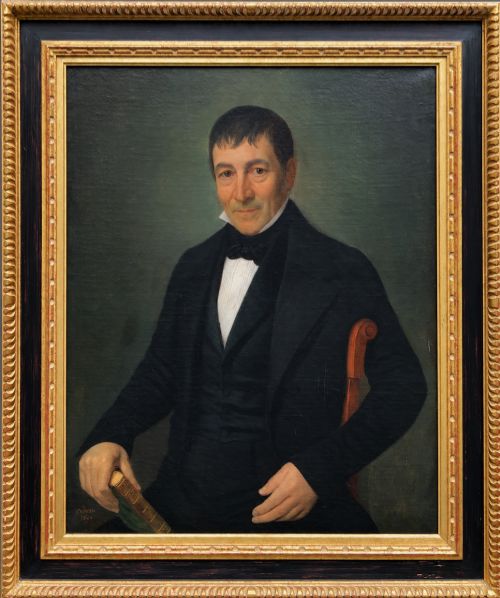
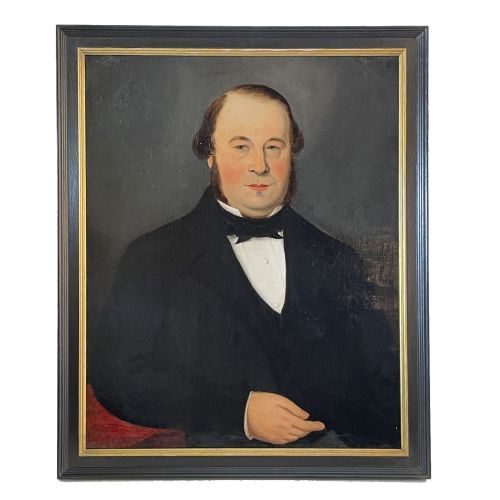
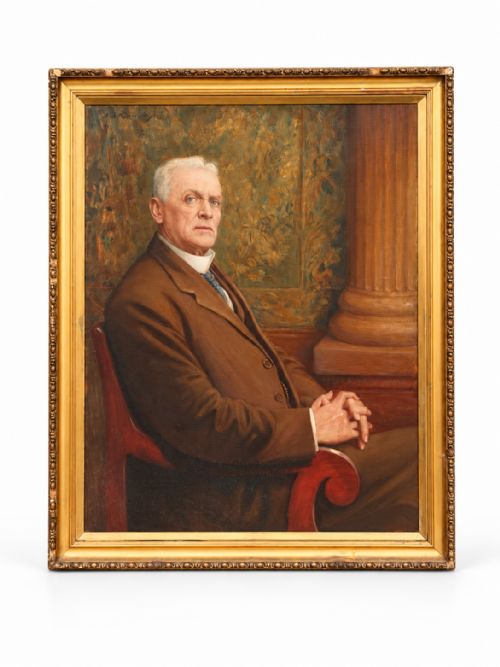
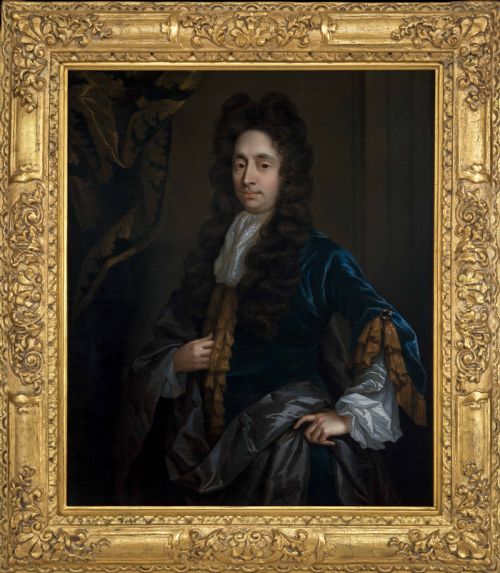
Historical Portrait on Canvas
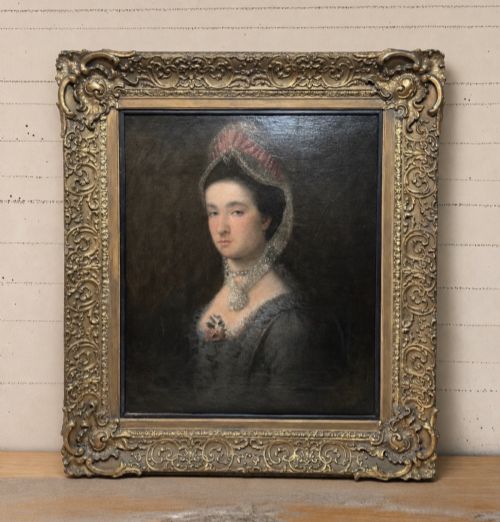
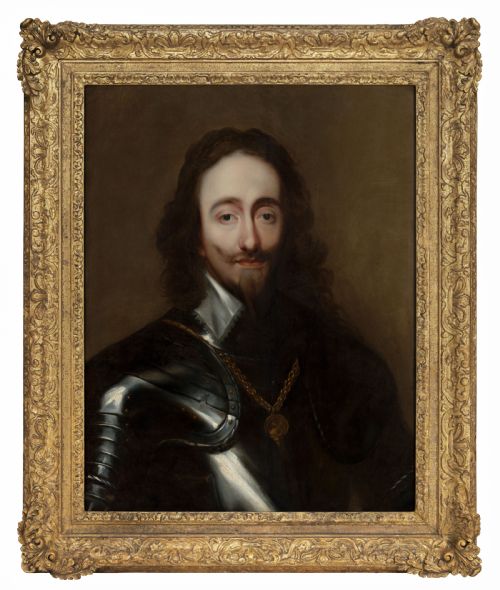
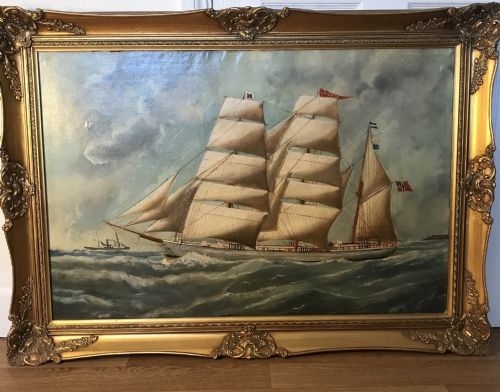
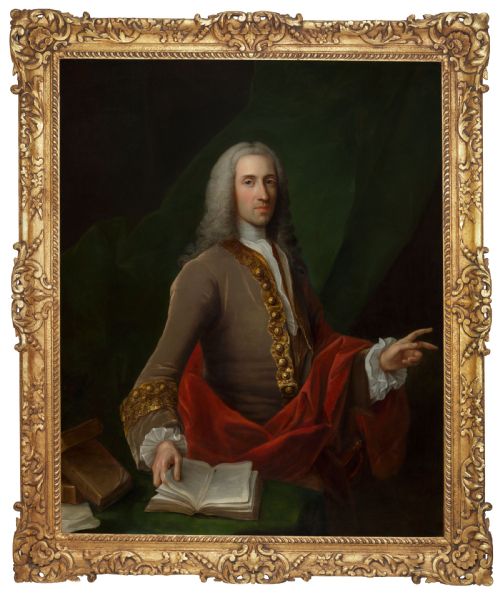
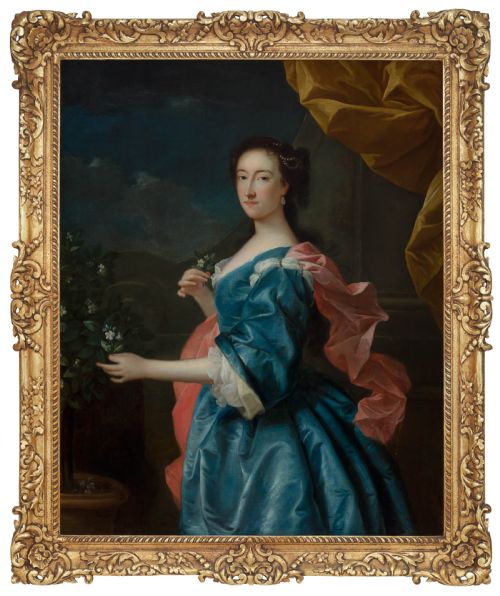
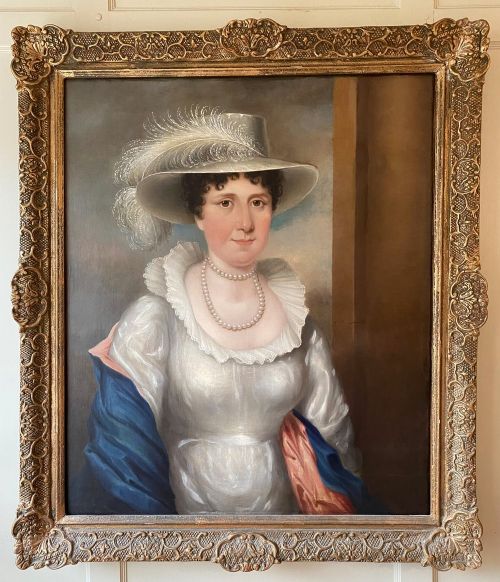
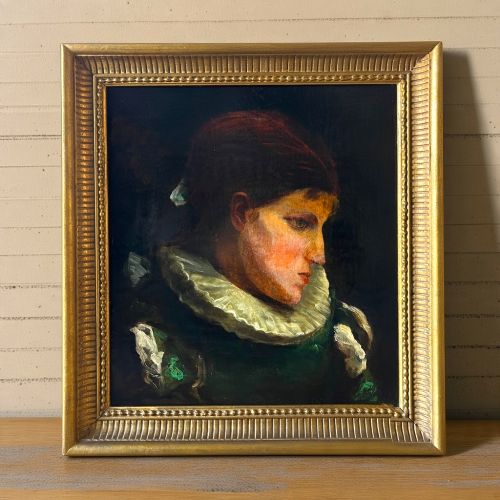
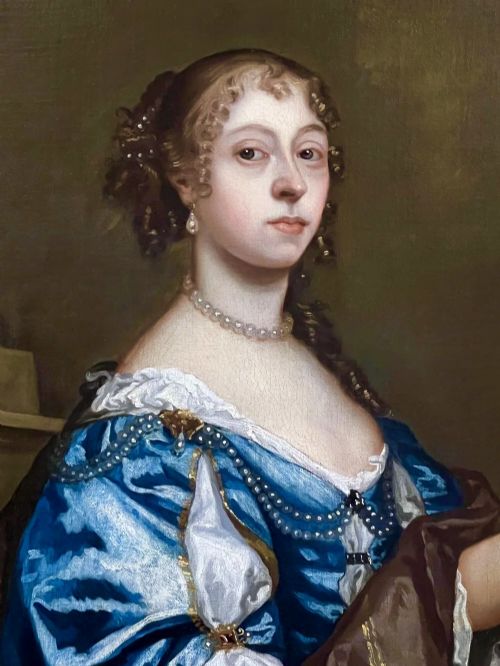
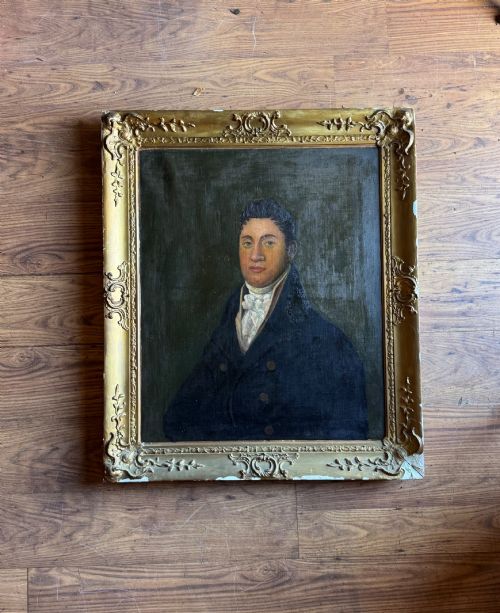
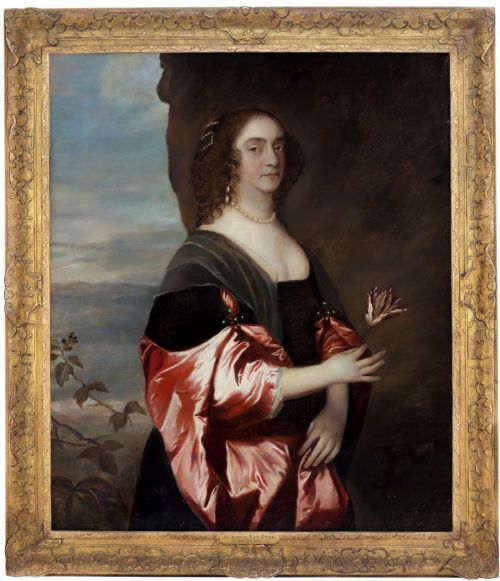
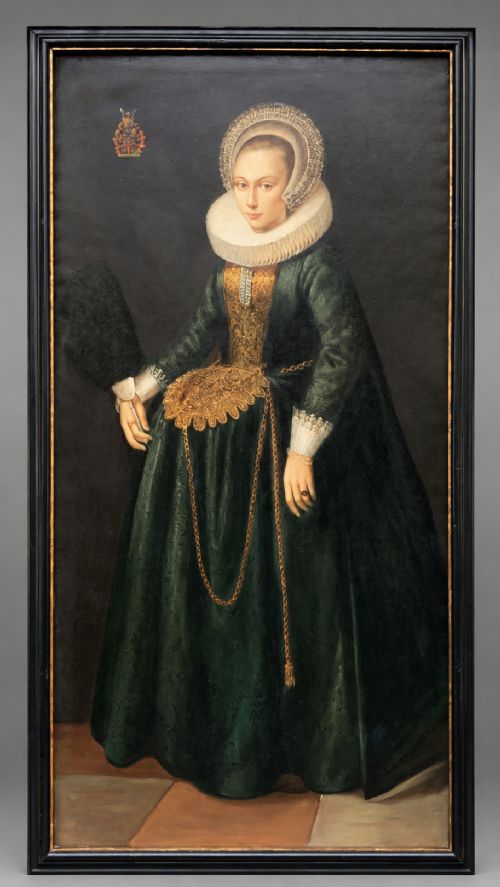
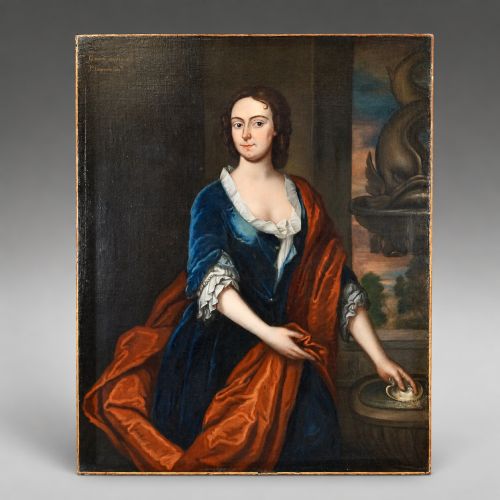
When you seek a historical portrait on canvas, you encounter centuries of oil painting capturing faces from the seventeenth century onward.
Historical Portrait on Canvas
A historical portrait on canvas brings faces from past centuries into a contemporary room, offering a direct link to figures ranging from military officers and nobility to merchants and clergy.
The selections span the seventeenth, eighteenth, and nineteenth centuries, alongside later reinterpretations, capturing subjects through styles such as Baroque, Georgian, and Regency.
Most pieces encountered on this page originate from British, Dutch, and European schools, rendered in oils upon stretched canvas and often housed within period frames.
Materials and Techniques
Painters applied oil paint to woven canvas supports, utilising the slow-drying medium to build rich layers of tone, texture, and glazing.
Historical Portrait on Canvas Retail Price Guide 2026
Typical asking prices for historical portrait on canvas among the pieces listed under this phrase on Sellingantiques today, from the lower quarter to the upper quarter. They describe what is for sale here now, not the wider market.
Listings feature works spanning the 17th Century to the 20th Century, executed in oil on canvas with gesso and giltwood frames.
Assessing Quality
The mastery of facial expression, garment detail, and anatomical proportion distinguishes the work of a accomplished hand from a routine workshop production.
The survival of the original paint surface, minimal intervention over the centuries, and the harmony between the canvas and its period frame dictate the standing of a piece.
John Hayls·Sir Joshua Reynolds·David Scougall·George Willison·Anthony Van Dyck·Constantyn Netscher·Pieter Borsseler·Lemuel Francis Abbott·Stickland Lowry·Sir Peter Lely·Thomas Beach·Samuel De Wilde·Charles D'Agar·Jean Baptiste Van Loo·Bartholomeus van der Helst·John Greenhill·John Closterman·Sir Allan Ramsay·Robert Byng·Sir William Beechey·James Howe·John Michael Wright
The Historical Portrait on Canvas Glossary
- Oil on Canvas
- A painting medium where pigments suspended in drying oils are applied to a woven fabric support. This combination allowed artists to achieve deep shadows and luminous highlights.
- Giltwood
- Wood carved and coated with gold leaf or a gold-coloured metallic finish. These frames frequently accompany period paintings to complete the presentation.
- Gesso
- A paint mixture consisting of a neutral binder mixed with chalk, gypsum, or pigment. It served as a smooth ground preparation on wooden frames before gilding.
- Dutch Baroque
- An artistic movement from the seventeenth century characterised by dramatic lighting and realistic portraiture. Works from this tradition often emphasise rich textures in clothing and interiors.
- Studio of
- A designation indicating a work produced by assistants or pupils under the direct supervision of a master artist. Such pieces reflect the stylistic standards of the principal painter.
Historical Portrait on Canvas: Frequently Asked Questions
What periods do these portraits cover?
The available works span primarily from the seventeenth through the nineteenth centuries, capturing shifting artistic movements from the Dutch Golden Age to the Victorian era.
Earlier seventeenth-century examples often feature rigid subjects in elaborate costume, while later eighteenth and nineteenth-century canvases display looser brushwork and softer lighting.
How were these oil paintings displayed originally?
Landed gentry, merchants, and institutions originally hung these canvases in formal reception rooms, libraries, and galleries to display lineage, status, or civic achievement.
The heavy giltwood frames were designed to project authority and catch the flickering light of candles or early lamps within wood-panelled interiors.
How do I care for a historical canvas?
Maintain a stable room environment away from direct sunlight, excessive humidity, and rapid temperature fluctuations to protect both the oil pigments and the underlying canvas.
Dust the surface and the surrounding frame very gently with a soft, dry brush, avoiding all commercial cleaning liquids or pressure on the fabric.
How can I tell a studio piece from a master work?
Works attributed to the circle or studio of an artist often show competent handling and standard compositions executed by trained assistants under supervision.
Fully signed pieces or primary works by documented masters exhibit superior confidence in facial rendering, finer details in textiles, and greater psychological depth.