

Historical Paper Artwork
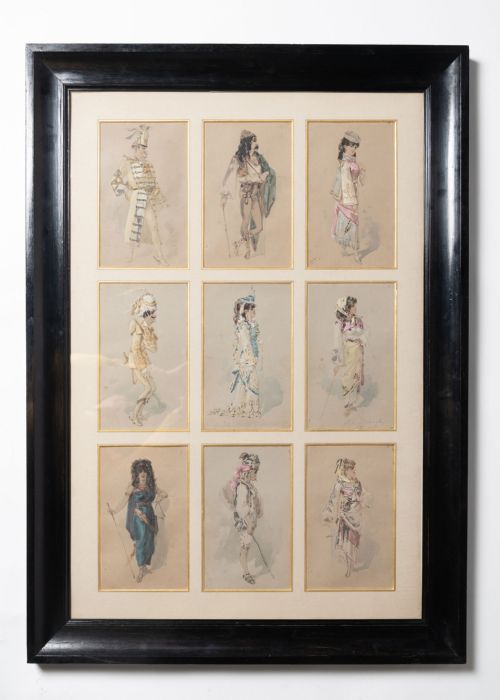
Historical paper artwork encompasses delicate watercolours, detailed engravings, and precise silhouettes preserved behind glass in period wood frames.
Historical Paper Artwork
Historical paper artwork brings together works on paper executed across the eighteenth and nineteenth centuries, spanning Georgian, Regency, and Victorian eras. Buyers seeking these items encounter framed prints, paintings, watercolours, and ink drawings.
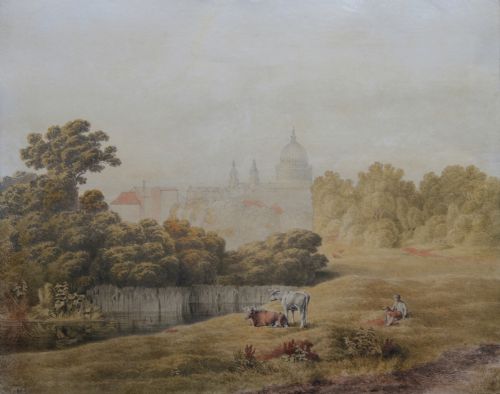
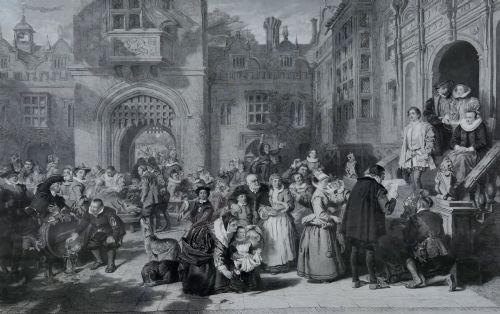
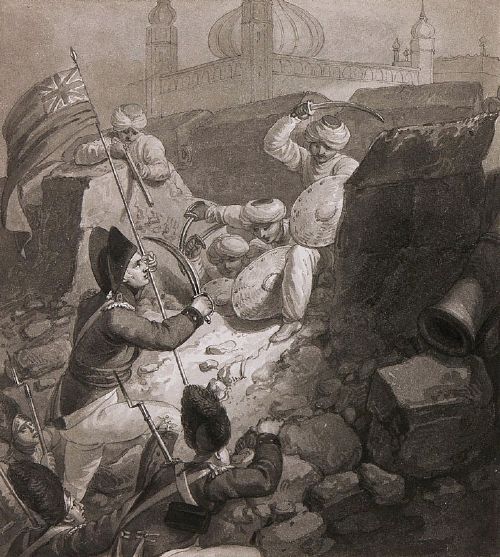
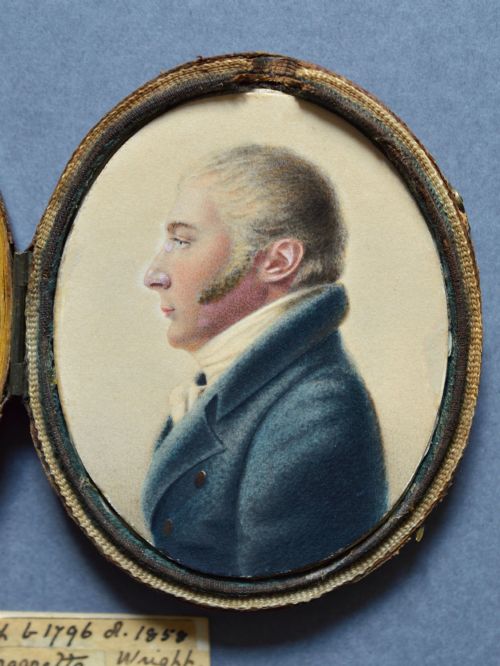
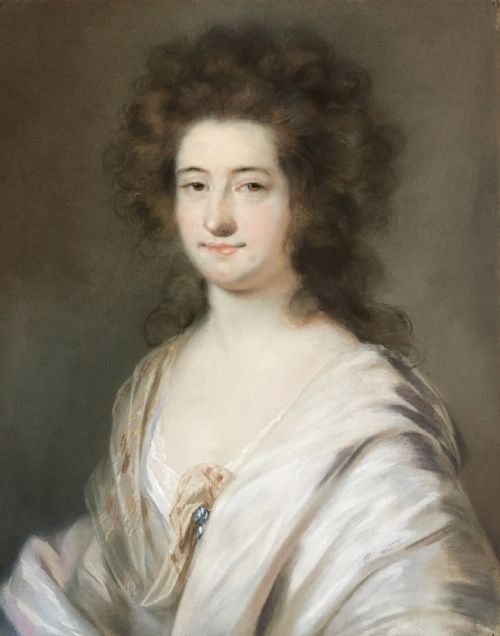
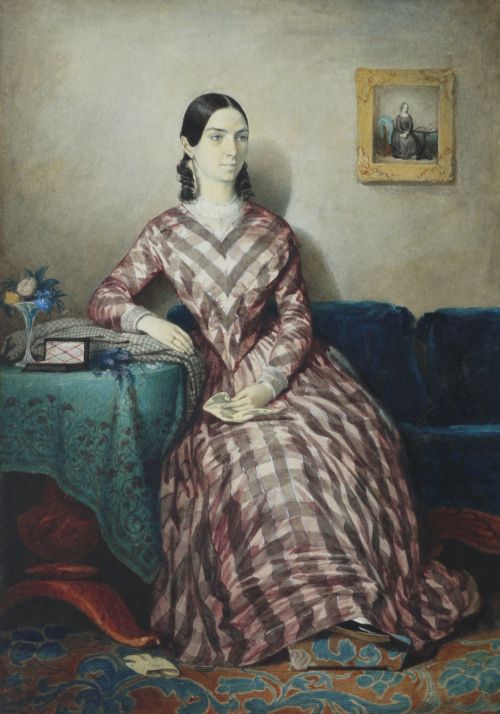
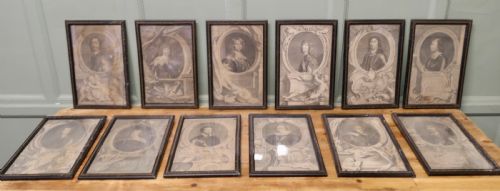
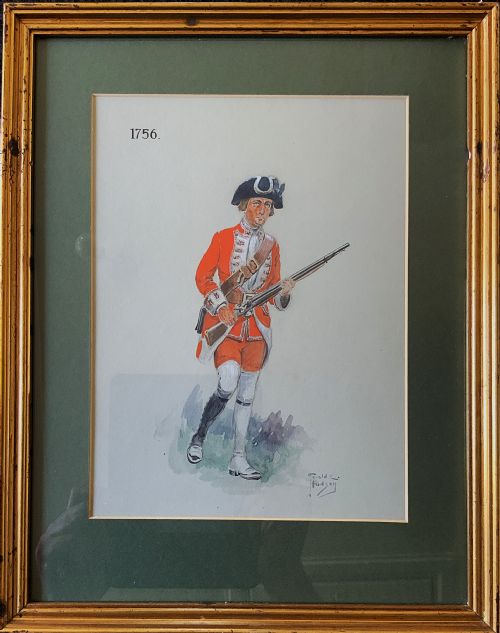
The material record includes hand-coloured engravings, portrait miniatures, military watercolours, and topographical views. These paper pieces capture portraits, historical scenes, and landscapes rendered in graphite, ink, and watercolour pigment.
Framed artwork from this category frequently retains original framing, often utilising gilt wood or traditional Hogarth mouldings. The physical survival of these works depends entirely upon the protective barrier of glass and proper mounting.
Materials and techniques
Makers utilised handmade rag paper alongside watercolours, iron gall ink, graphite, and watercolour pigments. These foundational materials reacted directly with light and humidity over centuries.
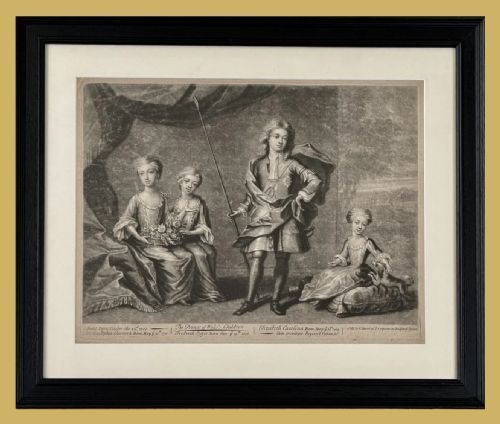
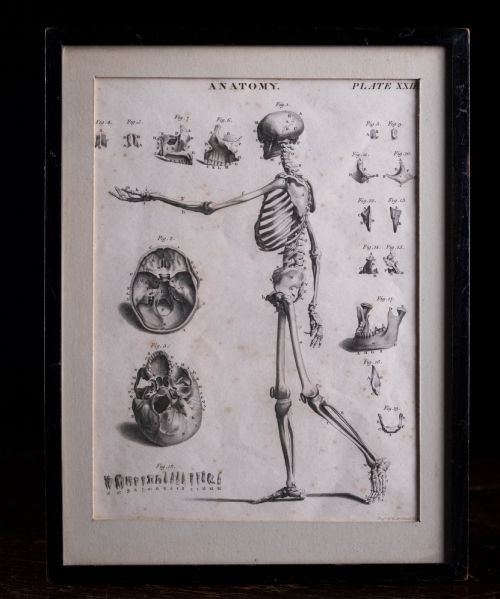
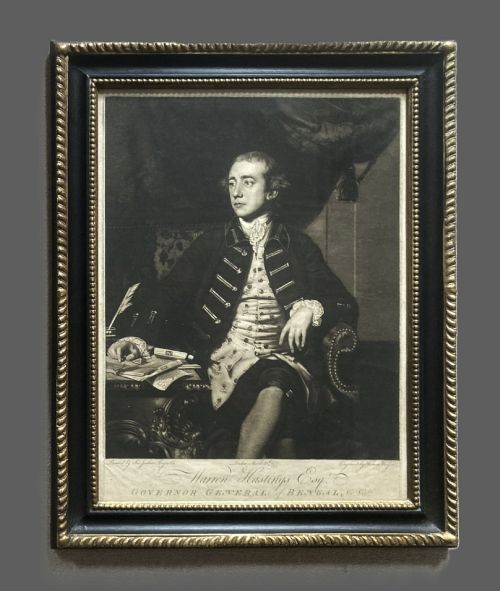
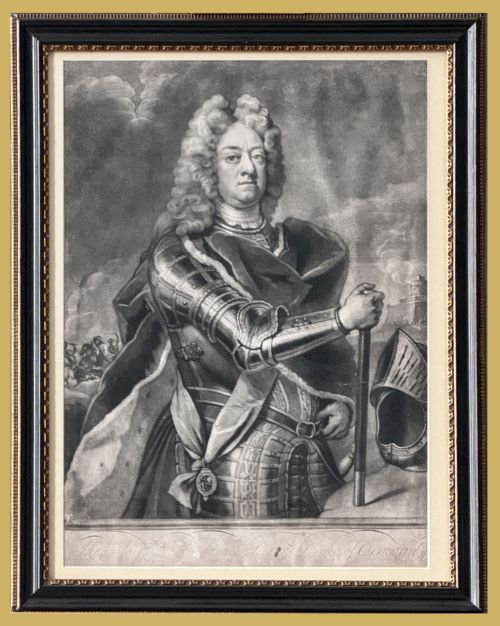
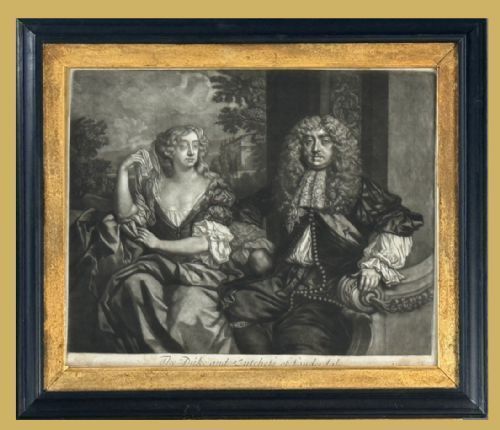
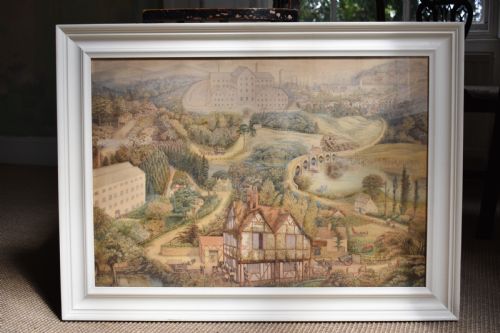
Printmakers applied copperplate engraving and mezzotint techniques to transfer detailed lines and tonal gradations onto paper sheets. Draftsmen combined pen and wash methods to build depth in architectural and landscape compositions.
Framemakers enclosed finished works within wooden surrounds, incorporating glass to shield fragile paper surfaces from atmospheric moisture and handling.
Historical Paper Artwork Retail Price Guide 2026
Typical asking prices for historical paper artwork among the pieces listed under this phrase on Sellingantiques today, from the lower quarter to the upper quarter. They describe what is for sale here now, not the wider market.
The listings span the eighteenth, nineteenth, and twentieth centuries, incorporating watercolours, engravings, and silhouettes.
Distinctions in quality
Quality rests upon the precision of the draughtsmanship and the clarity of the original ink or pigment application. Superior examples maintain crisp lines and vivid tones without heavy fading or excessive acidic toning from early backing boards.
The integrity of the original mount and framing contributes significantly to the standing of a piece. Works retaining contemporary frames demonstrate greater historical continuity than those placed in modern surrounds.
Autograph signatures, documented provenance, and identifiable makers elevate individual sheets above anonymous studio output. The depth of historical context attached to a portrait or topographical scene defines its standing within the broader field.
Alessandro Cittadini·John Simon·Michael Dahl·Edward·Thomas John Horsley·Andrew Bell·John Russell·Thomas Watson·Sir Joshua Reynolds·William Marshall Craig·Robert Williams·Sir Peter Lely·Jacobus Howbraken·Jacobus Houbraken·Étienne Baudet·J.C Burgess·William Day·François-André Vincent·Alfred George Morgan·J Bizo·Florence Hess·Riepenhausen·Samuel Owen·William Wyld·Thomas Woolnoth
The Historical Paper Artwork Glossary
- Mezzotint
- A printmaking process where the copper plate is roughened to achieve rich dark tones and subtle gradations of light. This technique allowed eighteenth-century printmakers to reproduce oil paintings with remarkable fidelity.
- Hogarth frame
- A narrow wooden picture frame featuring a stepped, profile moulding often finished in dark lacquer or gilt. These frames appeared frequently on eighteenth-century prints and mirrors.
- Rag paper
- Paper manufactured from cotton or linen fibre rags rather than wood pulp. This material provides exceptional longevity and structural stability to antique documents and watercolours.
- Wash
- A thin, transparent layer of diluted watercolour or ink applied across paper to build tonal depth. Artists utilised this technique extensively in topographical and military drawings.
- Silhouettes
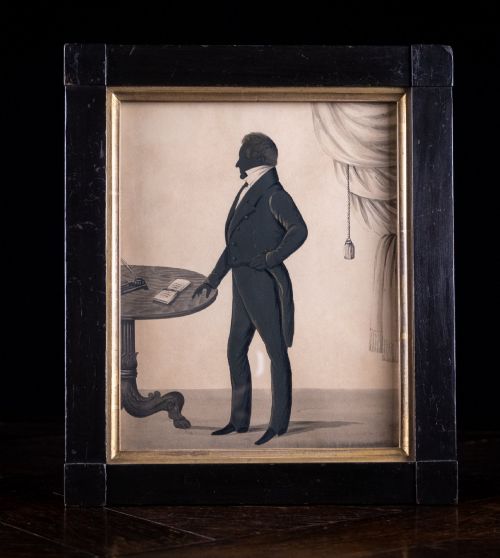
- A profile portrait cut from dark paper or painted directly onto card or plaster. Regency practitioners elevated this domestic art form into refined miniature likenesses.
Historical Paper Artwork: Frequently Asked Questions
Where should I hang these paper pieces?
Select interior walls protected from direct sunlight and steady artificial heat sources. Ultraviolet rays fade watercolour pigments and discolour antique paper sheets permanently.
Maintain stable room temperatures and moderate humidity levels to prevent mould growth and paper warping. Kitchens and damp hallways present unsuitable environments for framed paper objects.
How do I identify a mezzotint print?
Examine the surface under magnification to check for a dense, velvety field of tiny ink dots rather than sharp engraved lines. Mezzotints rely on roughened copper plates that hold heavy ink loads to create smooth tonal shifts.
Portrait subjects from the eighteenth century appear frequently in this medium. The velvety dark background remains a defining visual characteristic of the technique.
What indicates an original Georgian frame?
Inspect the reverse of the frame for joined corner construction using handmade iron nails or pegs. Older pine or oak backing boards secured with old glazier's points often accompany period pieces.
Surface wear, shrinkage cracks in the gesso, and aged gilding support the authenticity of the surround. Modern backing paper or Phillips screws indicate later reframing.