
Historical Painting
Historical painting brings centuries of portraiture, maritime scenes and military history into a room through oil on canvas, panel and delicate miniatures.
Historical Painting
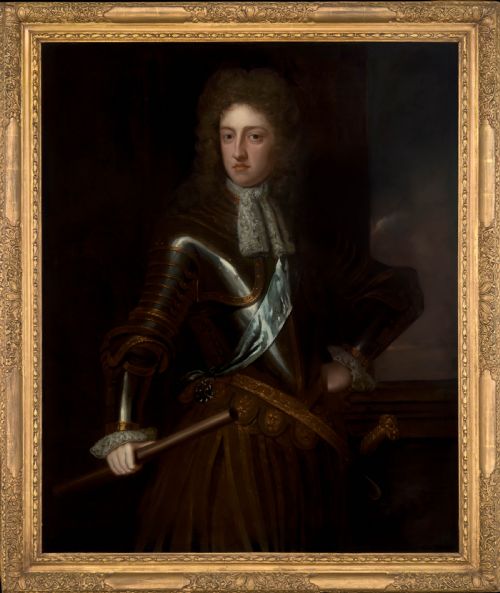
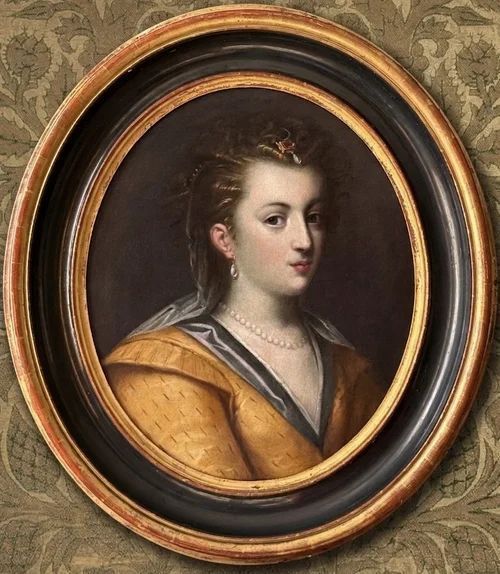
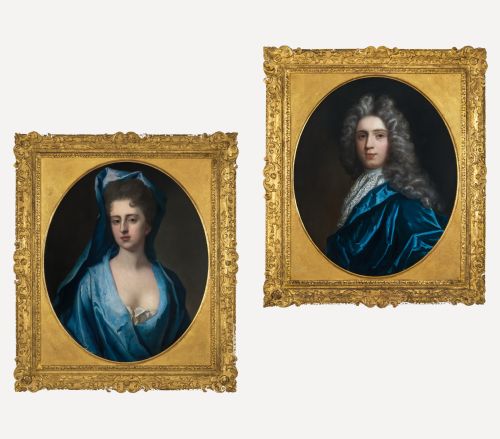
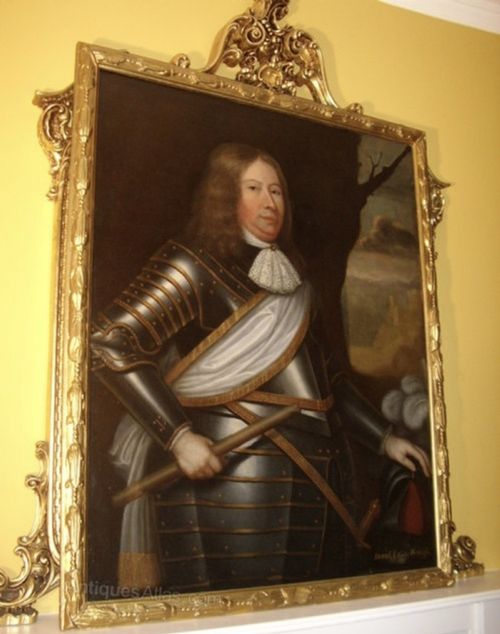
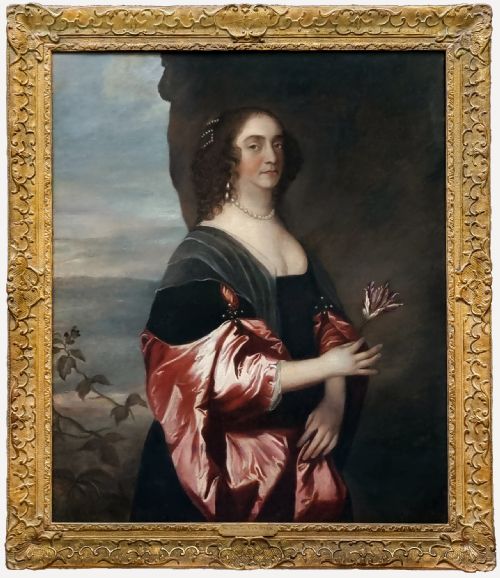
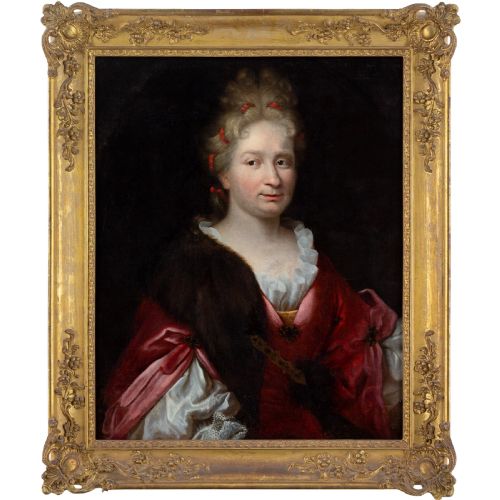
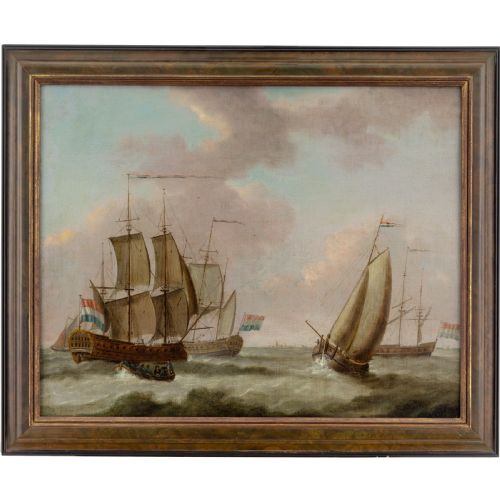
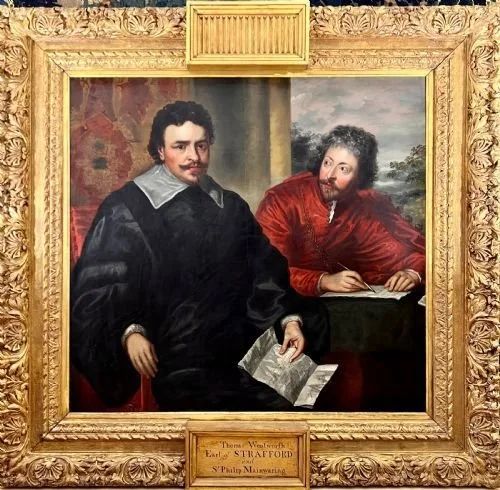
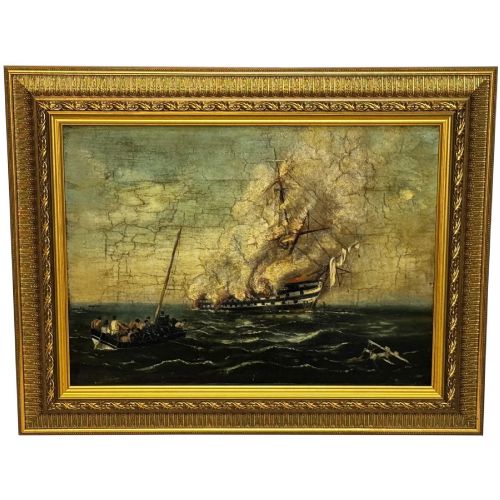
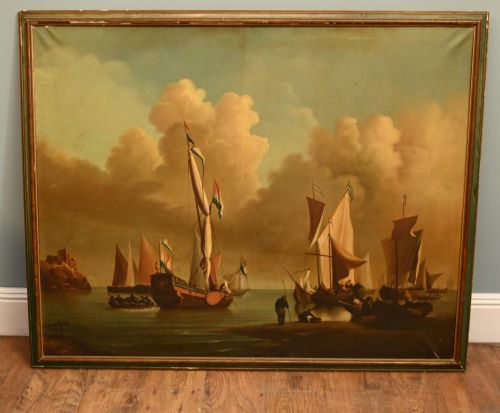
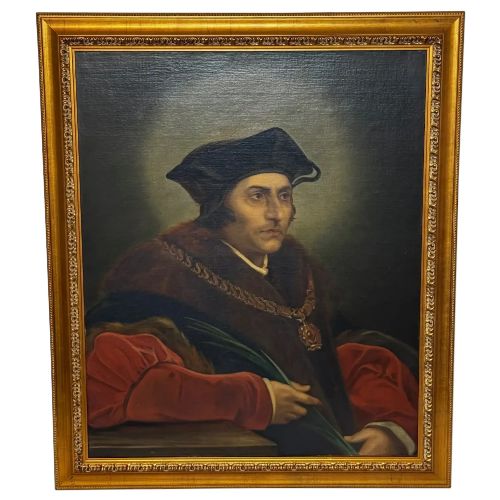
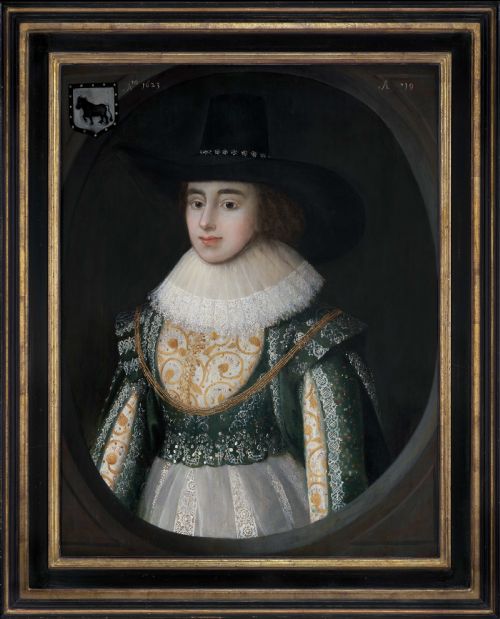
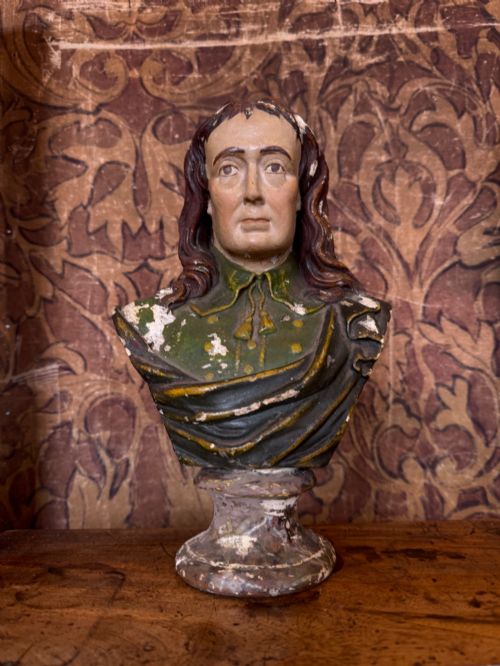
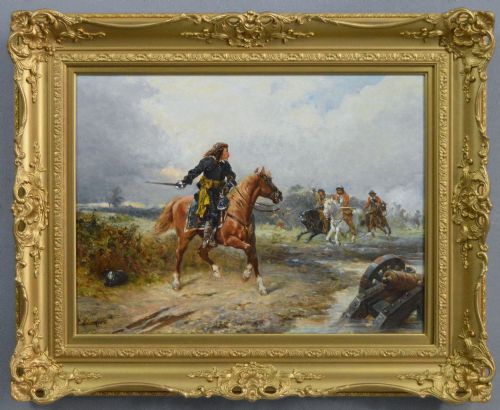
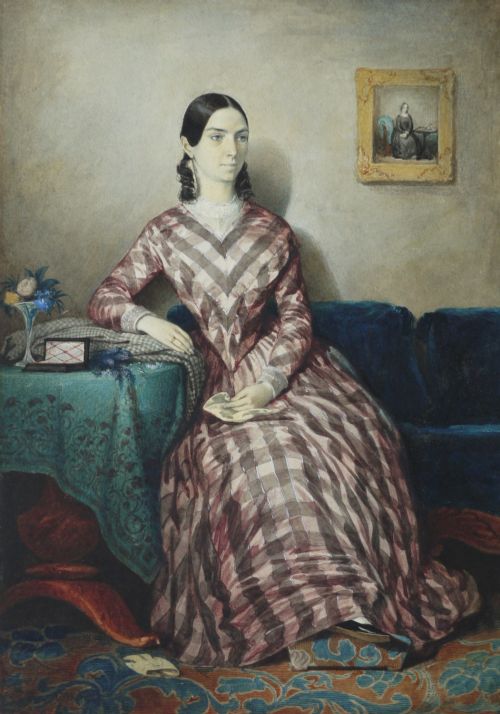
When you examine historical painting on this page, you encounter oil portraits, maritime seascapes, military narratives and portrait miniatures spanning several centuries.
The most common subjects are British and continental European nobility, military officers and maritime vessels executed in oil on canvas or wood panels.
Works range from sixteenth-century Renaissance portraiture and seventeenth-century Baroque studies down to nineteenth-century interpretations and historical re-enactments.
Materials and Techniques
Painters applied oil paint to prepared canvas, stretched wooden panels or paper supports, occasionally utilising watercolour for portrait miniatures.
Frames fashioned from giltwood and gilt wood often accompany these works, complementing the depth of the pigment and the dark grounds typical of early portraiture.
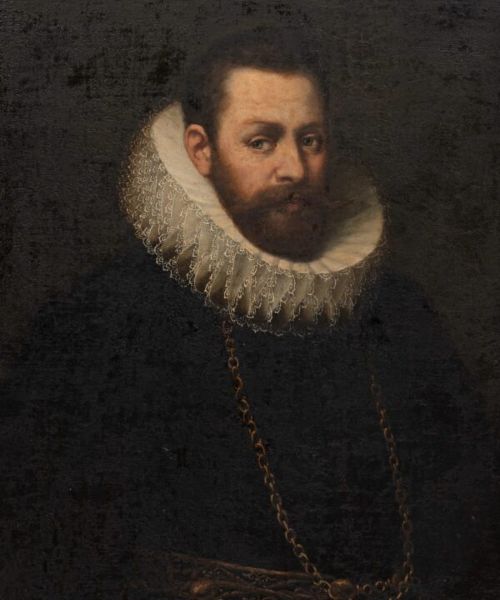
Artists built depth through layered glazes, visible brushwork and detailed depictions of textiles such as ruff collars, satin sleeves and military uniforms.
Several noble sitters immortalised in these oils stare out past centuries wearing impossibly starched ruff collars that must have made dining a perilous sport.
Evaluating Execution
The distinction between workshop output and primary hand rests on the confidence of the brushwork, the rendering of facial anatomy and the depth of drapery.
Compositional balance and psychological engagement separate standard portraiture from works attributed to major circles or named masters of the period.
Sir Godfrey Kneller·Lavinia Fontana·Michael Dahl·Thomas Murray·David Scougall·Sir Peter Lely·Trajan Hughes·Hans Holbein·Cornelius Johnson·Robert Alexander Hillingford·Alessandro Cittadini·John Hayls·Sir Joshua Reynolds·Henri Fradelle·James Sharples·George Willison·Anthony Van Dyck·Pieter Borsseler·Lemuel Francis Abbott·Stickland Lowry·John Russell·Samuel De Wilde·Charles D'Agar
The Historical Painting Glossary
- Oil on canvas
- Pigment bound in drying oil applied to woven fabric stretched across a wooden frame. This primary support underpins the vast majority of historical works on this page.
- Portrait miniature
- A small-scale likeness painted on vellum, paper or card, often encased in a protective frame. These intimate works demand microscopic precision.
- Circle of
- A designation indicating an artist worked closely within the studio or sphere of a master, adopting their specific style and palette.
- Baroque
- An artistic style spanning the seventeenth and early eighteenth centuries characterised by dramatic lighting, rich colour and dynamic movement.
- Giltwood
- Wood carved and coated with a thin layer of gold leaf or metallic powder. Period frames utilise this technique to frame oil paintings.
Historical Painting: Frequently Asked Questions
How do I care for antique oil paintings?
Keep historical paintings away from direct sunlight and fluctuating humidity to prevent canvas slackening and paint cracking. Dust the surface gently with a soft, dry brush without applying pressure.
Avoid using liquid cleaners or chemical solvents on the paint layer or the giltwood frame. Professional conservators should handle any structural repairs or deep cleaning.
What does manner of mean on a painting?
The term manner of indicates that a later artist painted the work closely in the style and technique of a specific master. It denotes stylistic imitation rather than direct production by the named hand.
This designation helps classify period copies and stylistic homages where the exact individual brush is difficult to isolate.
How can I tell a panel painting from canvas?
Panel paintings utilise solid pieces of wood, such as oak or mahogany, as the rigid support for the ground and oil layers. They feel heavy and display no textile weave upon close inspection.
Canvas works exhibit a woven texture visible from the reverse or through thinner passages of paint. Wooden panels require stable atmospheric conditions to prevent warping.