
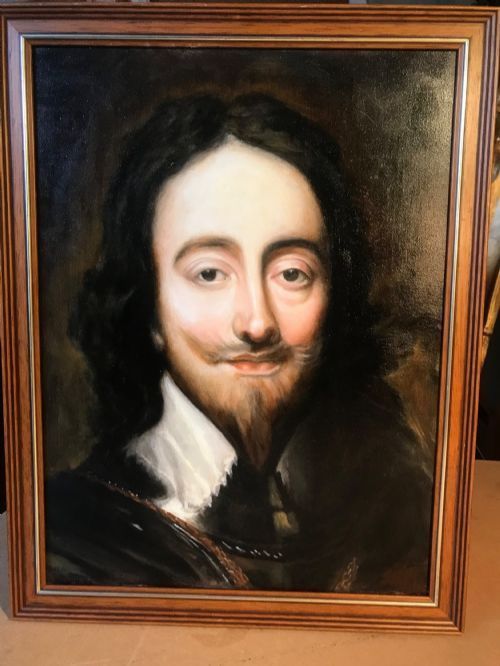
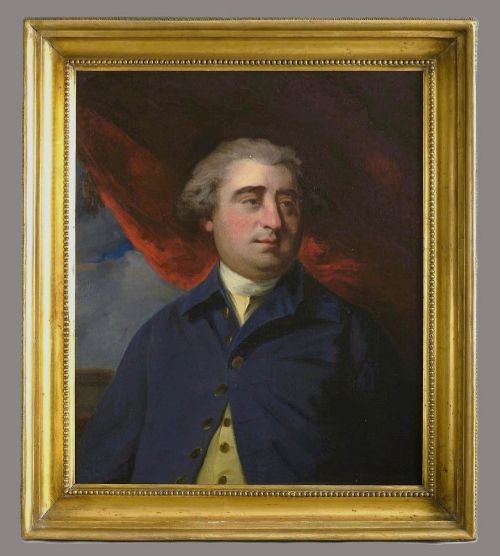
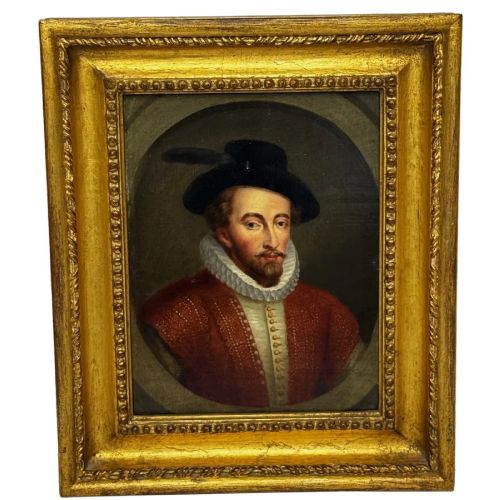
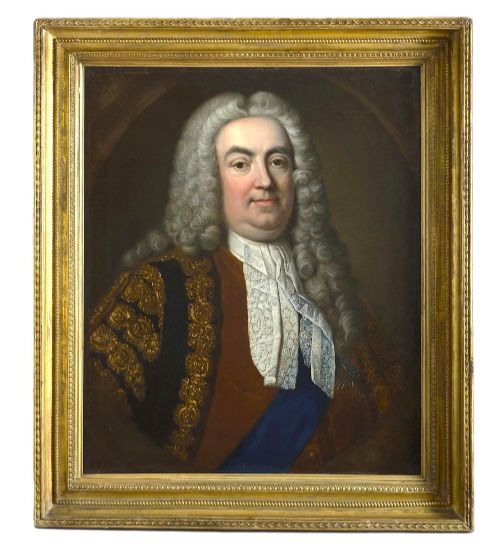
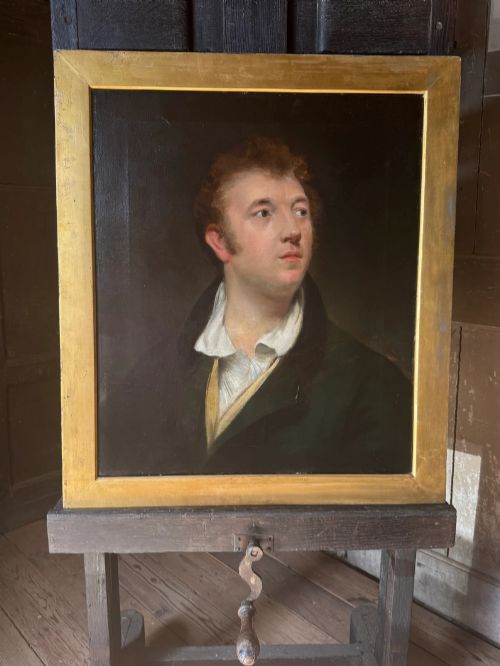
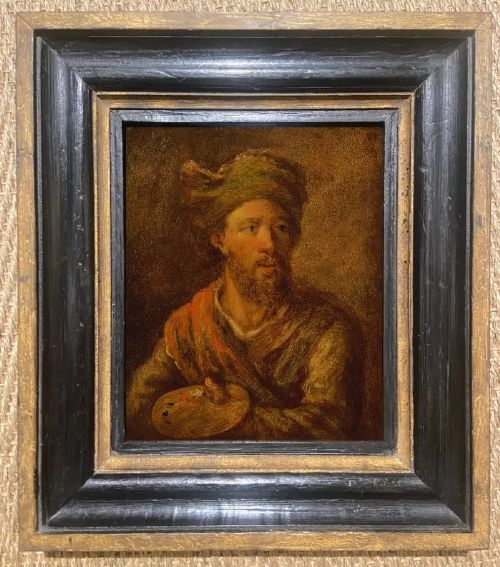
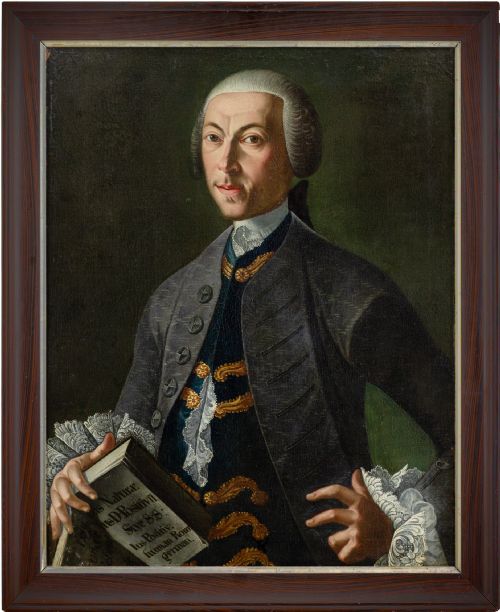
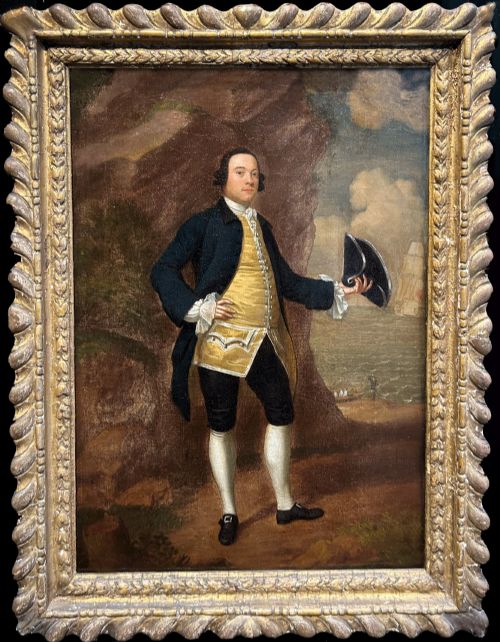
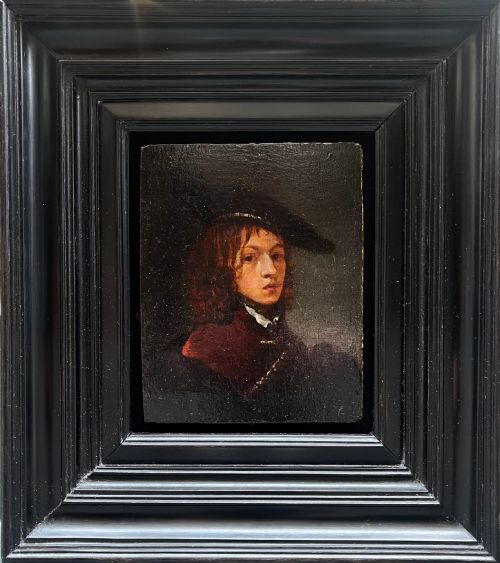
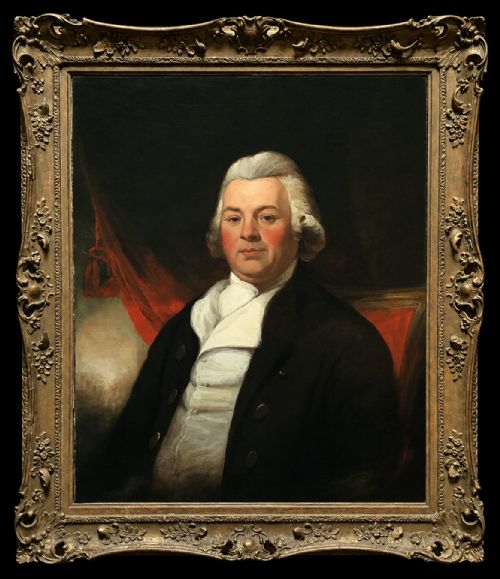
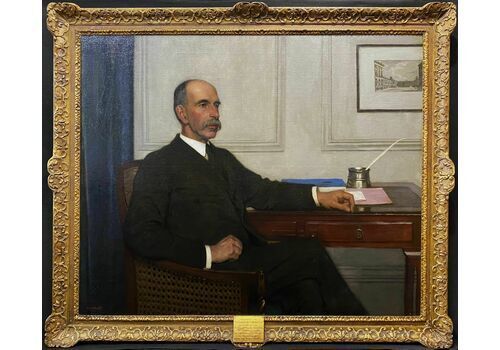
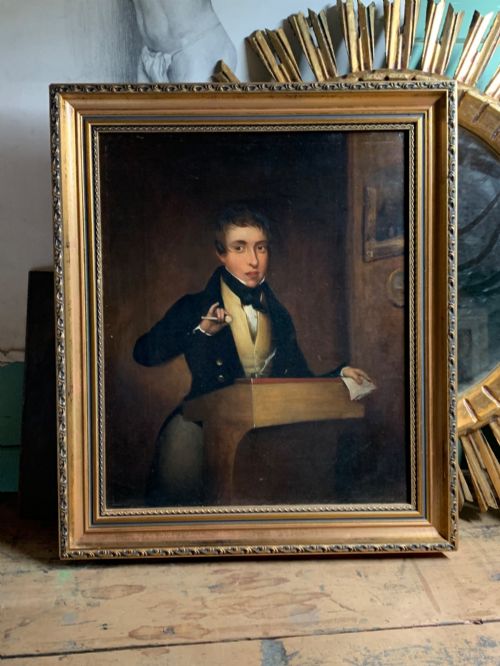
Historical Male Oil Portrait
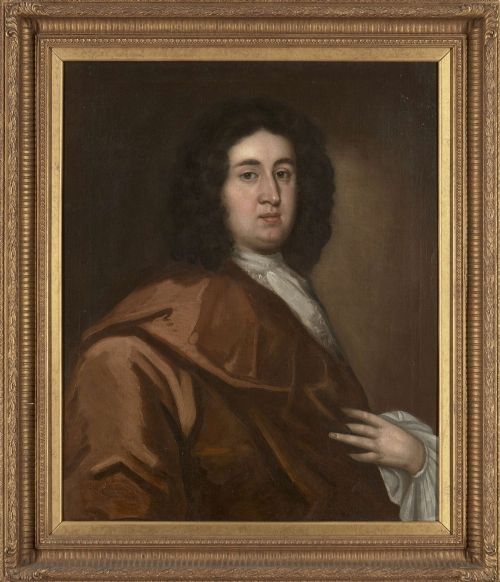
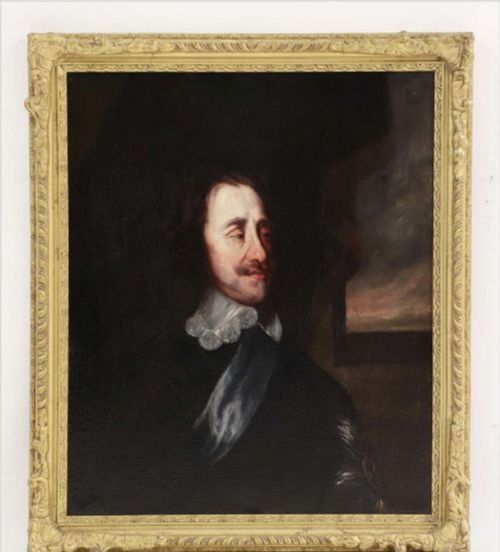
A historical male oil portrait brings centuries of character into a room, capturing statesmen, monarchs and thinkers in rich oils.
Historical Male Oil Portrait
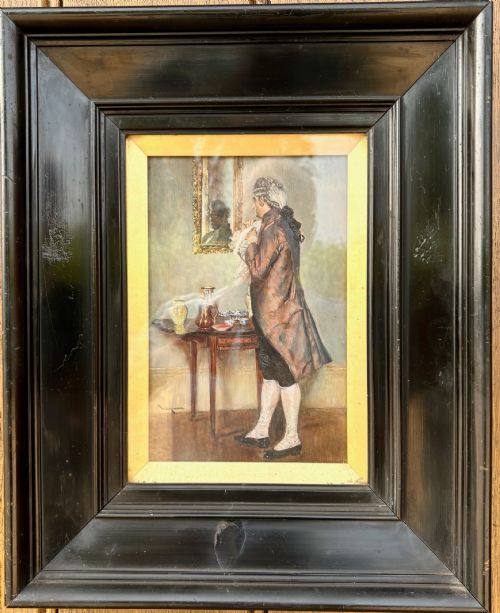
A historical male oil portrait depicts notable figures, gentlemen, scholars and rulers across centuries of British and European art. These works span from the 17th century through the Regency era and into the 20th century, capturing subjects in formal attire, military dress or academic robes.
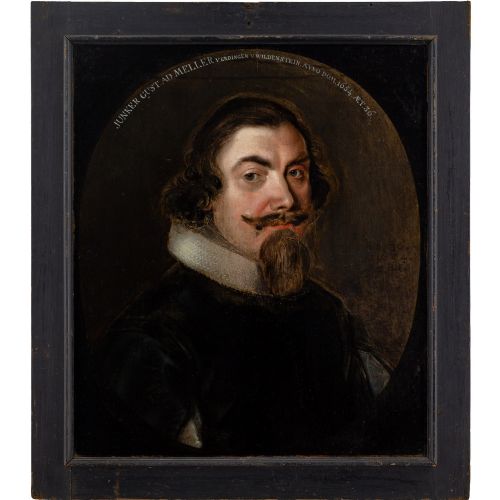
The selections available here range from Dutch Golden Age merchants and British statesmen to aristocratic gentlemen and clergy. Many pieces connect directly to known historical personages or follow influential masters from earlier periods.
Buyers encounter works created by studio circles, followers and named artists working in distinct regional schools. Each canvas preserves the likeness and social standing of men who shaped politics, science, art and commerce.
Materials and Techniques
Artists painted these works primarily using oil paint applied to woven canvas supports, though panel and board appear in specific pieces. The layering of oil pigments allowed painters to build deep tones, rich drapery and realistic flesh rendering over extended periods.
Many historical frames utilise carved wood enhanced with gold leaf and giltwood finishes to complement the grandeur of the painted canvas. These frames often reflect the decorative style of the period in which the portrait was produced or later restored.
Listings feature works spanning the 17th, 18th and 19th centuries, utilising oil on canvas, wood panels and giltwood frames.
Quality and Execution
The distinction between workshop pieces and direct master output lies in the subtlety of brushwork, anatomical precision and the psychological depth of the sitter. Superior examples capture light across velvet, lace and armour with striking realism.
Condition of the canvas, original pigment retention and the integrity of the underlying support dictate the visual impact of the work. Portraits retaining their original giltwood frames or documented provenance carry additional historical weight.
Sir Joshua Reynolds·Jean Baptiste Van Loo·John Closterman·Sir Peter Lely·James Howe·John Hamilton Mortimer·Nicolas De Largillière·David Scougall·Hans Holbein·Sir Godfrey Kneller·William Aikman·Ramsay Richard Reinagle·Charles Robert Leslie
The Historical Male Oil Portrait Glossary
- Oil on Canvas
- Pigment mixed with drying oil applied to a stretched woven fabric support. This combination provides flexibility and allows for deep, luminous colour layering.
- Giltwood
- Wood carved and coated with a thin layer of gold leaf or metallic powder. It forms the decorative ornamental borders surrounding historical canvases.
- Studio of
- A term indicating a work produced by assistants or pupils under the direct supervision of a master artist. The composition often mirrors a primary portrait by that master.
- Dutch Golden Age
- A period in 17th-century painting noted for dramatic realism, rich tonal contrast and detailed portraiture of merchants and civic leaders.
Historical Male Oil Portrait: Frequently Asked Questions
What is a historical male oil portrait?
A historical male oil portrait is a painted likeness of a man from past centuries, executed in oil on canvas or panel. These artworks capture figures ranging from royalty and military leaders to scientists and merchants.
Such pieces serve as both historical documents and decorative centerpieces, offering a direct visual link to past eras through period costume and artistic technique.
How do I identify the period of a portrait?
Dating relies heavily on the sitter's clothing, hairstyle, ruffs, wigs or military uniforms, which changed distinctly across the 17th, 18th and 19th centuries. Frame styles and canvas construction also provide strong chronological clues.
Inscriptions, artist signatures and biographical dates of the sitter further help narrow the window of creation, alongside stylistic markers tied to specific regional schools.
How should I hang an oil portrait?
These works require placement away from direct sunlight, high humidity and temperature fluctuations to protect the oil paint and canvas. Sturdy wall fixings are essential due to the weight of large canvases and heavy giltwood frames.
Lighting should be subtle, using picture lights designed to highlight the canvas without generating excessive heat that could damage the aged pigments.
What does studio of mean in a listing?
The designation studio of indicates the artwork was produced in the workshop of a named master. Assistants or students executed the painting, frequently under the master's supervision or based on an established composition.
These pieces offer a connection to major artistic figures while reflecting the collaborative working methods standard in historical art production.