






Historical Interior Painting
Historical interior painting brings domestic and formal rooms of past centuries to life through detailed brushwork and observed human moments.
Historical Interior Painting
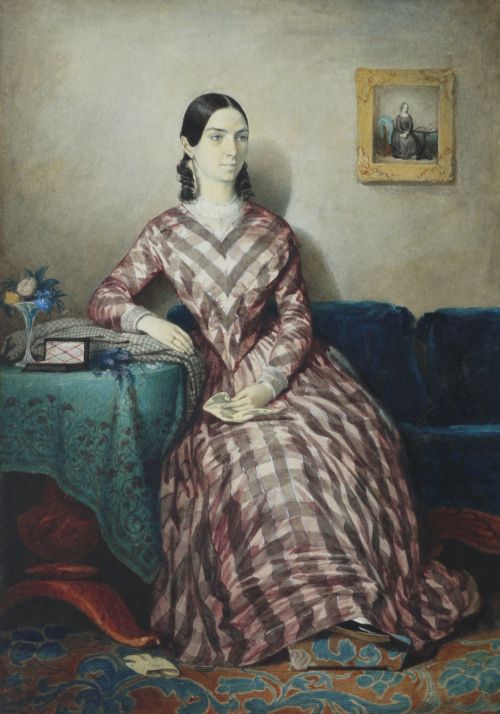
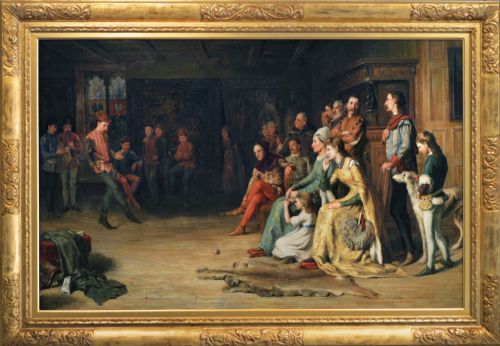
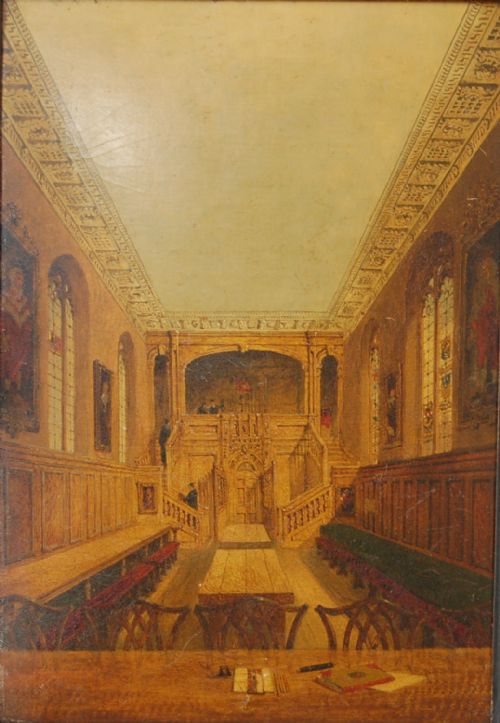
A historical interior painting captures domestic scenes, card games, tea parties and formal halls set within homes or public chambers of earlier eras. These works often show figures engaged in daily routines, leisurely pursuits or dramatic narrative moments inside period architecture.
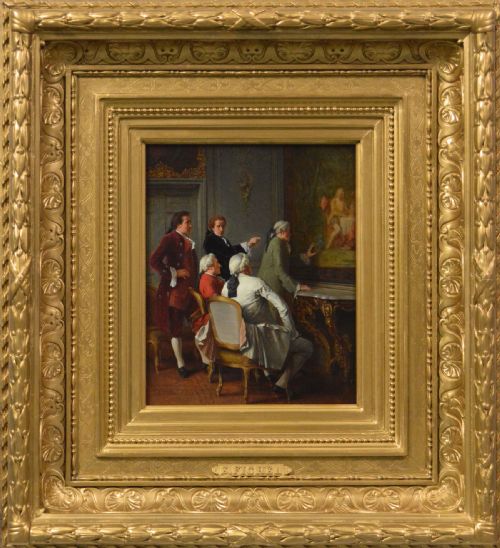
The version most commonly met on this page is the nineteenth-century genre oil painting or watercolour, depicting figures in period costume within panelled rooms or galleries. Examples range from intimate domestic studies to large-scale compositions featuring musicians or gentlemen at leisure.
Pieces span from the eighteenth century through to the early twentieth century, incorporating Victorian, Georgian and Edwardian artistic traditions. Works frequently focus on architectural details such as fireplaces, armour, paintings and furnishings that set the precise historical mood.
Materials and technique
Artists primarily used oil paint on canvas or watercolour on paper to construct these detailed architectural and figurative scenes. The handling of medium allows for rich textures in textiles, wood panelled walls and giltwood frames.
Meticulous brushwork defines the handling of light filtering through windows, candle illumination and the reflection on polished surfaces. Draughtsmanship underpins the accurate perspective of rooms, furniture and period costume.
Historical Interior Painting Retail Price Guide 2026
Typical asking prices for historical interior painting among the pieces listed under this phrase on Sellingantiques today, from the lower quarter to the upper quarter. They describe what is for sale here now, not the wider market.
Several canvases capture domestic tranquility interrupted, notably a gentleman's shaving ritual abruptly halted by an observant wife.
Factors of quality
Quality rests upon the artist's ability to render the interplay of light within a confined space while maintaining anatomical accuracy in the figures. Superior examples integrate the human narrative seamlessly with the surrounding architecture and material culture of the room.
The complexity of the composition and the psychological engagement between the figures elevate certain works above standard decorative pieces. Original framing, such as period giltwood, and documented provenance further distinguish the finer examples.
James Hamilton ARSA·Johann Hamza·Benjamin Eugene Fichel·John Watkins Chapman·Robert Alexander Hillingford·Edwin Hughes·Henry Spernon Tozer·Rolinda Sharples·Marcel Brunery·George Goodwin Kilburne·Joseph Clover·George Cattermole·Joseph Murray Ince·Samuel Prout
The Historical Interior Painting Glossary
- Genre painting
- A style of art depicting scenes from everyday life, ordinary people, and domestic interiors rather than grand historical or mythological events. These works provide valuable insights into the social habits and furnishings of past eras.
- Oil on canvas
- A traditional painting medium where pigments are suspended in a drying oil and applied to a stretched woven fabric support. This combination offers durability and allows for deep colour saturation and blended tones.
- Watercolour
- A paint consisting of colour pigments suspended in a water-soluble vehicle, typically applied to paper. It permits translucent washes of colour that capture light efficiently.
- Giltwood
- Wood that has been coated with a thin layer of gold leaf or gold paint, frequently used for traditional picture frames. This finish adds a reflective border that enhances the depth of the painting within.
- Academic painting
- A style of art produced under the influence of European academies of art, following strict standards of composition and finish. These works often demonstrate precise draughtsmanship and historical accuracy.
Historical Interior Painting: Frequently Asked Questions
What is a historical interior painting?
A historical interior painting is a work of art that depicts people within a room from a past era, combining portraiture, narrative, and architecture.
These pieces record the furniture, dress, and domestic habits of earlier centuries through the specific lens of the artist.
How do I date a historical interior painting?
Dating relies on the clothing worn by the figures, the style of the interior architecture, and the framing materials used.
Signatures, exhibition labels on the reverse, and historical records of the artist also provide precise chronological markers.
Where should I hang these paintings?
These works suit traditional reception rooms, libraries, or studies where their architectural details and narrative depth can be appreciated.
Keep them away from direct sunlight and damp walls to protect the canvas, paper, and giltwood frames.
What subjects appear in these scenes?
Subjects range from quiet domestic moments like tea parties or fireside snoozes to formal gatherings involving music and card games.
Many incorporate historical costumes, period armour, and detailed room furnishings to establish a specific period atmosphere.