

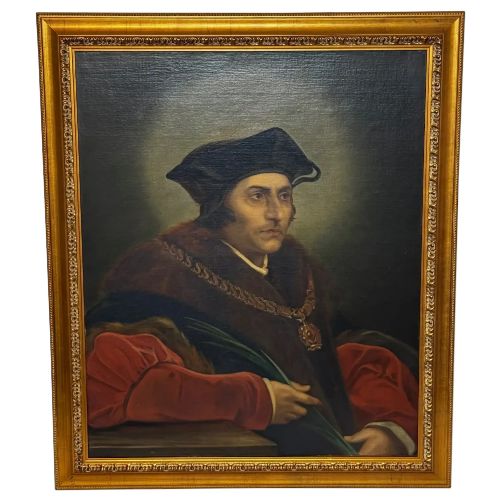

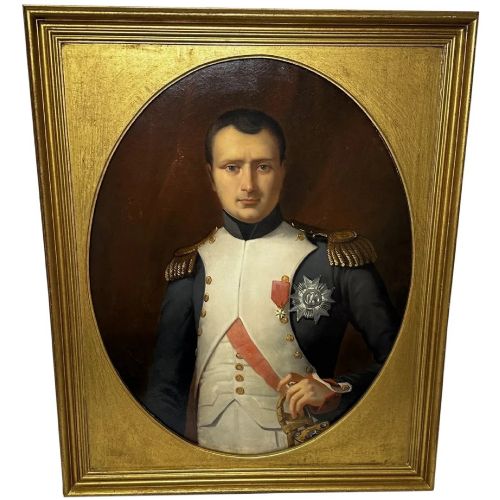
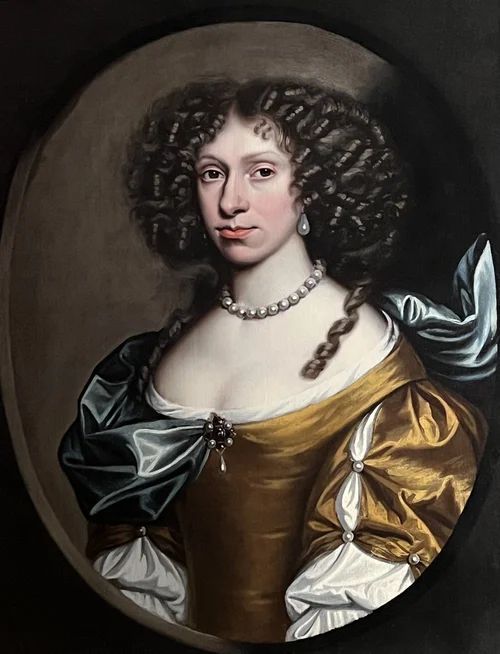
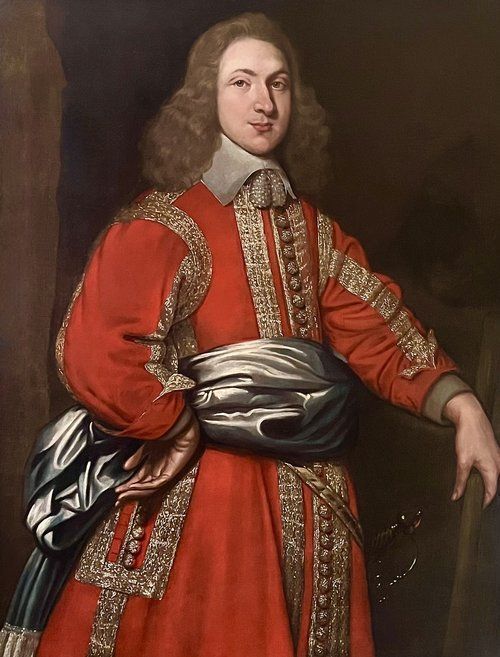
Historical Fine Art
Historical fine art brings centuries of portraiture and genre scenes into a room, offering a direct link to past lives through period canvas and paper.
Historical Fine Art
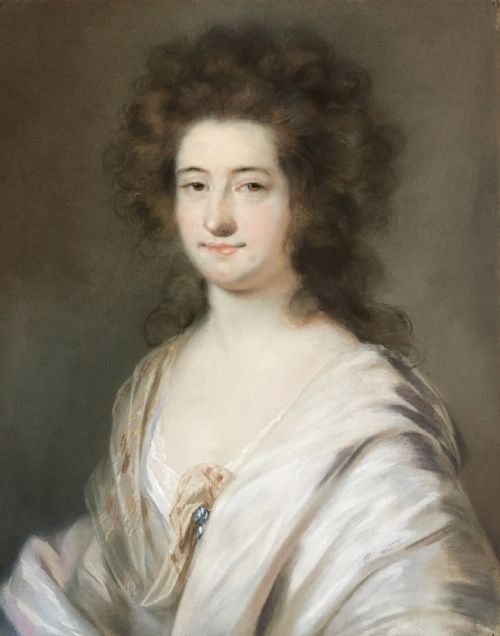
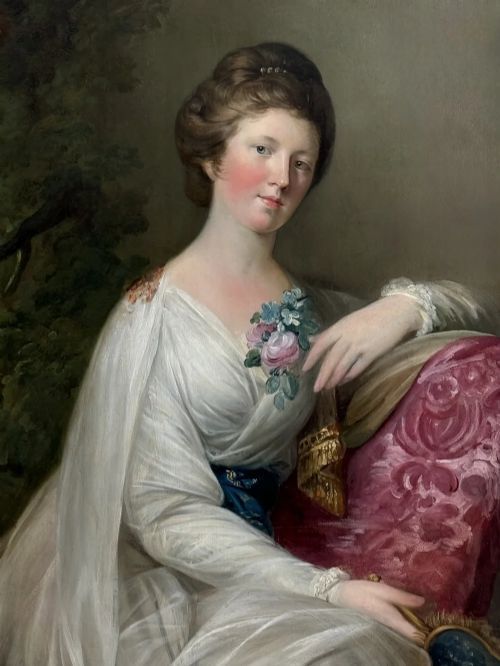
When searching for historical fine art, collectors encounter a predominance of oil paintings alongside pastels, watercolours, engravings, and needlework.
The selections span the seventeenth, eighteenth, and nineteenth centuries, featuring works from British, French, Dutch, and German schools.
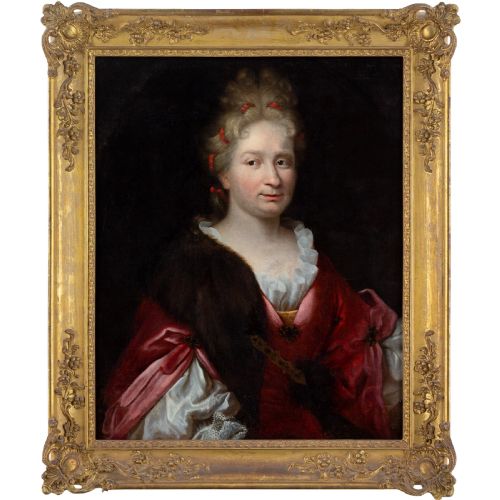
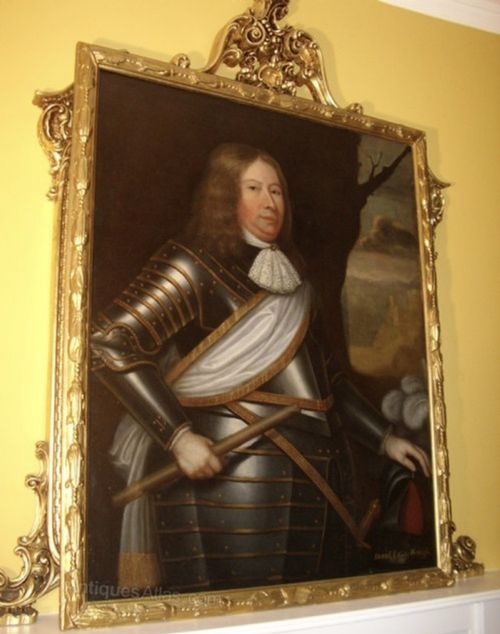
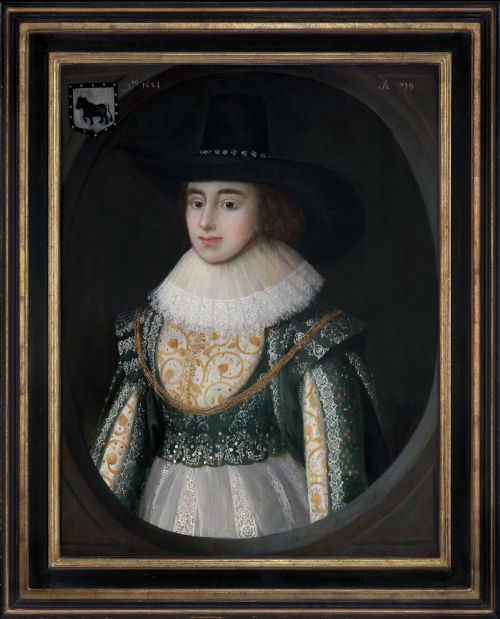
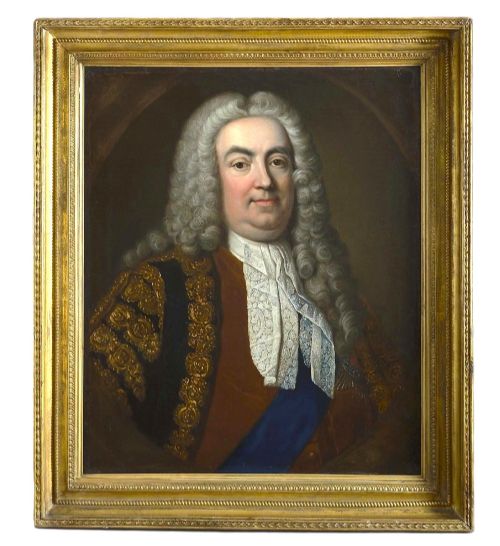
Portraits of nobility, military officers, and literary figures dominate the selection, accompanied by narrative genre scenes depicting historical events and domestic life.
Materials and Techniques
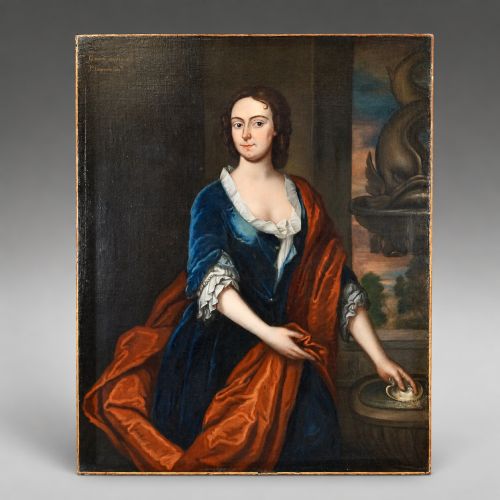
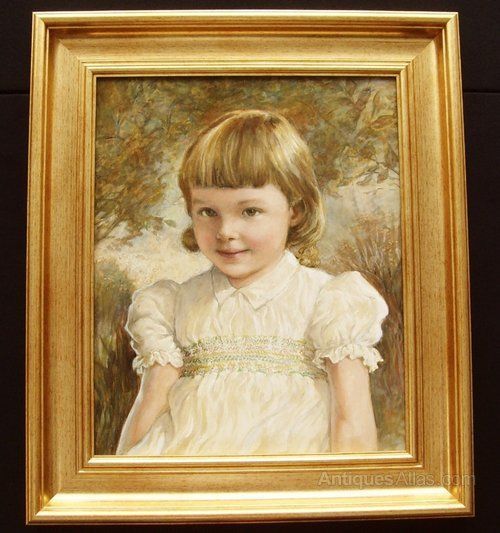
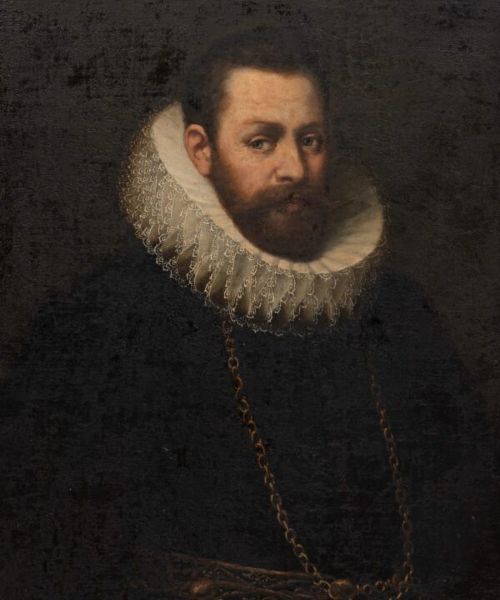
Painters utilised oil on canvas or wood panel, applying pigment to capture detailed clothing such as lace ruffs and velvet coats.
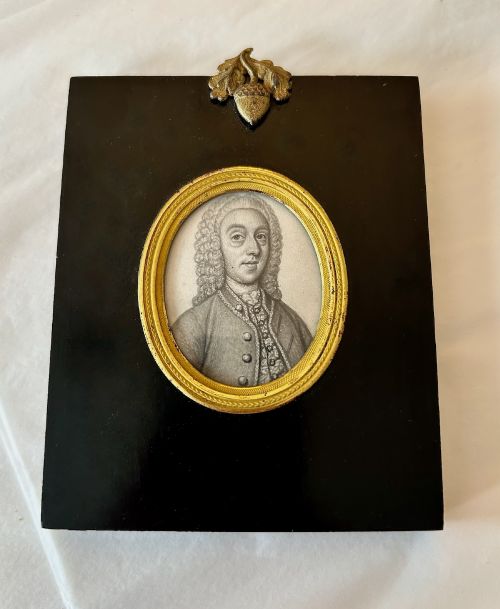
Works on paper employ pastel, gouache, and watercolour techniques, while printed items utilise mezzotint and engraving methods on laid paper.
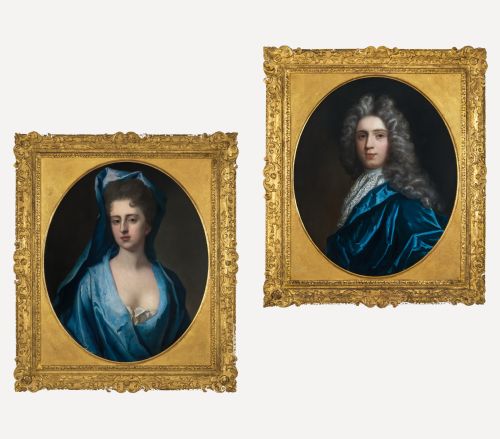
Frames are constructed from wood and embellished with giltwood to complement the visual weight of the paintings.
Historical Fine Art Retail Price Guide 2026
Typical asking prices for historical fine art among the pieces listed under this phrase on Sellingantiques today, from the lower quarter to the upper quarter. They describe what is for sale here now, not the wider market.
Several gentlemen are immortalised mid-gaze wearing elaborate lace ruffs and military red coats.
Factors of Distinction
The skill of the brushwork in facial expressions and textiles defines the hierarchy between studio copies and primary masterworks.
The survival of original framing, particularly period giltwood surrounds, elevates the integrity of an artwork.
Provenance and documented attribution to known portraitists or historical workshops provide the strongest metric for distinction.
Michael Dahl·Thomas Murray·David Scougall·Cornelius Johnson·John Hayls·Maurice Quentin de la Tour·James Sharples·George Willison·John Russell·Sir Joshua Reynolds·Charles D'Agar·Jean Baptiste Van Loo·John Closterman·Sir Peter Lely·Sir John Gilbert·Francis Hayman·James Hamilton·Thomas Spinks·George Watson·Harold Knight·Johann Hamza·Benjamin Eugene Fichel·Thomas Hicks
The Historical Fine Art Glossary
- Oil on Canvas
- A painting medium where pigments suspended in drying oil are applied to stretched fabric. This method allowed artists to achieve rich tones and subtle blending.
- Mezzotint
- A printmaking process of the intaglio family where the plate is roughened to achieve tones and dark fields. It became popular for reproducing oil portraits.
- Genre Painting
- The pictorial representation of scenes from everyday life, involving figures of no particular distinction. These works capture domestic interiors, card games, and social gatherings.
- Giltwood
- Wood carved and coated with gold leaf or a gold-coloured finish. This material was standard for framing high-status historical paintings.
- School
- A group of artists sharing a similar style, time period, or geographical origin under a master or regional influence. Attributions often reference Dutch, French, or British schools.
Historical Fine Art: Frequently Asked Questions
What periods do these artworks cover?
The available historical fine art spans primarily from the seventeenth century through the nineteenth century.
Pieces reflect artistic movements including the Baroque, Georgian, Regency, and Victorian periods.
How were these historical portraits used?
Portraits served to record lineage, status, and political allegiance for aristocratic families and civic institutions.
They were displayed in country houses and grand halls as statements of identity and heritage.
How do I identify a school or circle attribution?
Attributions to a circle or school indicate an artist trained under or working closely in the manner of a master.
These designations help contextualise the piece when a direct signature is absent.
How should I care for antique oil paintings?
Keep paintings away from direct sunlight and drastic fluctuations in room temperature to protect the canvas and paint layers.
Dust surfaces gently with a soft, dry brush without applying liquid cleaners.