


Historical Figure Oil Portrait
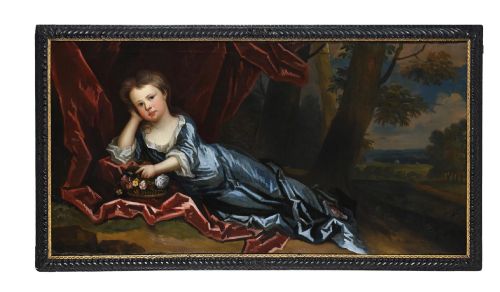
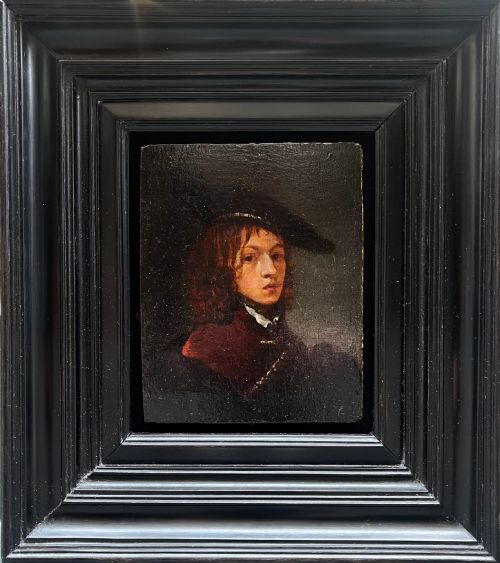
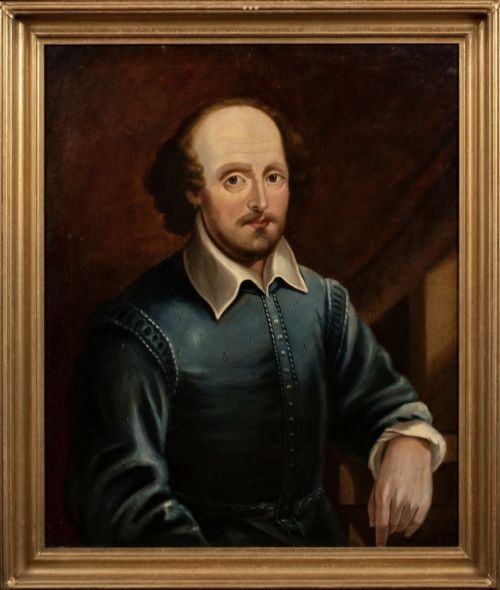
A historical figure oil portrait captures recognisable personalities on canvas, offering a direct visual link to past centuries through traditional paint and frame materials.
Historical Figure Oil Portrait
A historical figure oil portrait depicts known individuals from politics, literature, and society across the seventeenth, eighteenth, and nineteenth centuries. These works range in origin from British and Dutch schools to Italian workshops, capturing subjects from statesmen to playwrights.
Buyers frequently encounter nineteenth-century representations alongside eighteenth-century depictions and seventeenth-century studies. The forms vary from intimate half-length compositions to full-length studies set within period frames.
Materials and construction
Many examples retain their original or period-appropriate gilt and giltwood frames. The interaction between the gilded moulding and the dark varnish of the paint surface characterises the finished appearance.
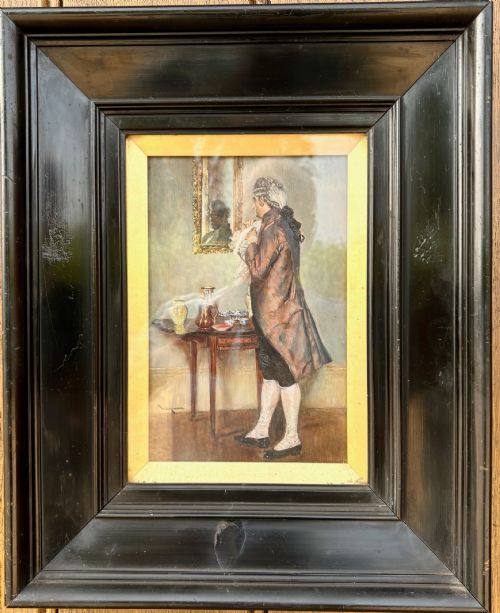
One domestic interior scene captures a gentleman's morning shaving ritual abruptly interrupted by his wife.
Judging quality
Quality rests in the handling of facial expression, proportion, and anatomy by the artist or school. Superior examples reveal confident brushwork in the rendering of hands, eyes, and drapery.
The depth of the oil layers and the preservation of the underlying canvas or board dictate the visual impact. Works attributed to known pupils or followers often show greater technical refinement than anonymous pieces.
Charles D’Agar·Thomas Spinks·John Watkins Chapman·Hans Holbein·Rolinda Sharples·Willem Johannes Martens·Ramsay Richard Reinagle·Abraham Cooper·John Partridge
The Historical Figure Oil Portrait Glossary
- Oil on board
- A painting executed on a rigid wooden panel rather than flexible woven fabric. This support provides a firm ground that resists the sagging associated with aged canvas.
- Giltwood
- Timber carved and coated with a thin layer of gold leaf or metallic powder. It forms the decorative framing typical of seventeenth and eighteenth-century portraiture.
- Half length
- A portrait composition showing the subject from the waist or hips upwards. This format focuses attention on the facial likeness and costume details.
- Attributed to
- A term applied when an artwork shows the style of a specific master but lacks definitive documentation. It indicates strong stylistic links to a known hand.
Historical Figure Oil Portrait: Frequently Asked Questions
How do I identify the subject of a portrait?
Look for inscriptions on the front canvas, labels on the reverse, or traditional iconographic symbols associated with nobility, military rank, or literature.
Comparison with documented engravings, medals, and official records from the sitter's lifetime often confirms identity.
What is the difference between an original and an after work?
An original painting represents a direct composition from life or primary studio sittings by the named artist. Pieces designated as after a master are period copies created to study or replicate famous compositions.
Both categories hold historical significance, though primary studio works typically command higher regard among collectors.
How should I care for an antique oil painting?
Maintain stable room temperatures and avoid direct sunlight to protect the fragile oil pigments and canvas substrate. Keep the piece away from heating sources that can dry out wooden boards and cracking varnish.
Dust the surface gently with a soft, dry brush and consult a professional conservator for cleaning.
Why do some portraits feature coats of arms?
Heraldic devices indicate the lineage, title, or familial alliances of the sitter. These painted elements helped contemporary viewers instantly recognise the social standing of the individual.
They also assist modern researchers in dating the work and tracing provenance.