



Chiaroscuro Oil Painting Portrait
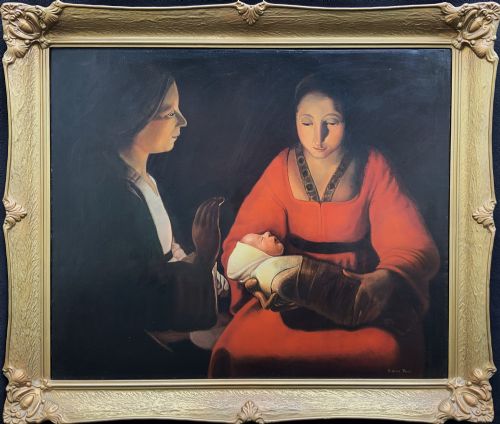
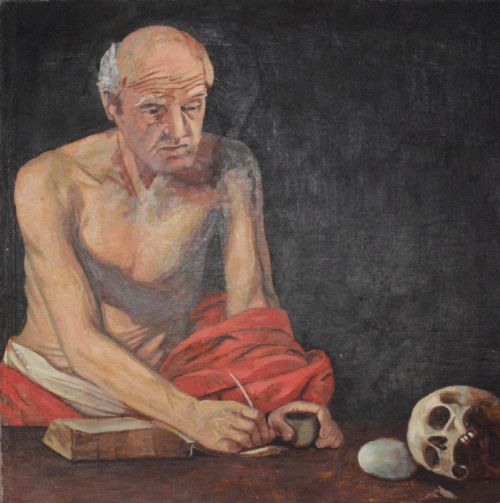
These chiaroscuro oil painting portrait examples capture dramatic play between deep shadow and intense light, offering rich historic character for your walls.
Chiaroscuro Oil Painting Portrait
When you search for chiaroscuro oil painting portrait pieces, you look at works defined by strong contrasts between light and dark that create theatrical depth. The selection on this page ranges from seventeenth-century works and eighteenth-century classical studies to later revivals and twentieth-century interpretations.
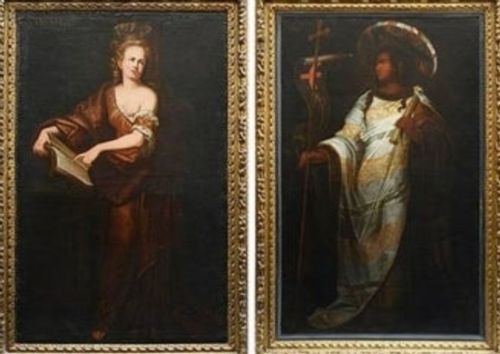
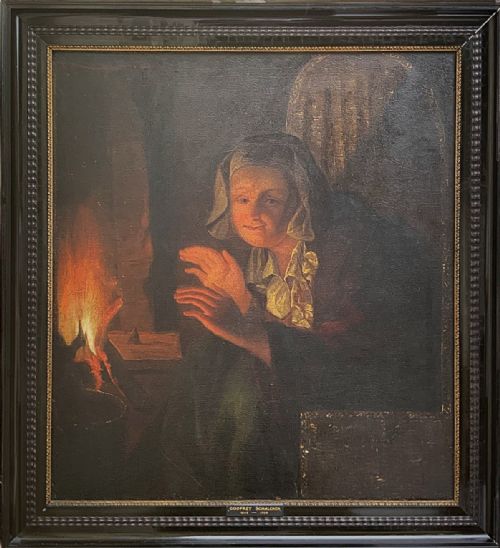
You will encounter subjects spanning biblical scenes, mythological figures like the Cumaean and Delphic Sibyls, and intimate depictions of ordinary spinners or young men. These pieces frequently draw inspiration from masters of the Dutch Golden Age, Italian schools, and Baroque traditions.
Many works appear on canvas or wood panels, often housed within gilt or giltwood frames that complement their dark palettes. The forms vary from large scale nocturnal compositions to half-length studies and detailed interior panel paintings.
What varies in quality
Quality in these works rests upon the handling of light and shadow, where finer examples create a compelling three-dimensional presence through subtle tonal transitions. The skill of the brushwork in rendering facial expressions and textile folds separates masterly compositions from simpler decorative efforts.
The integrity of the canvas or wood panel and the preservation of the original paint layer influence the visual impact of each piece. Furthermore, the craftsmanship of the accompanying wood and gilt frames contributes significantly to the overall stature of the artwork.
Several portraits capture subjects mid-action, including a boy blowing a bladder and a child resting under candlelight.
Georges de La Tour·Godfried Schalcken·Rembrandt van Rijn·Quirijn Van Brekelenkamp·Bartolomeo Schedoni·William Tate·Joseph Wright of Derby
The Chiaroscuro Oil Painting Portrait Glossary
- Chiaroscuro
- An artistic technique using strong contrasts between light and dark to give subjects a three-dimensional volume. It defines the dramatic lighting central to these portraits.
- Baroque
- A European style spanning the seventeenth and eighteenth centuries characterised by ornate detail and dramatic tension. This aesthetic heavily influences the mood of these paintings.
- Giltwood
- Wood that has been covered with a thin layer of gold leaf or gilt. Many frames housing these oil paintings utilise this material.
- Panel painting
- A painting executed on a flat panel of wood rather than canvas. Several works in this category utilise wood surfaces for detailed interior scenes.
- Dutch Golden Age
- A period in Dutch history spanning the seventeenth century noted for exceptional achievements in painting. Many listings reflect the style and techniques born in this era.
Chiaroscuro Oil Painting Portrait: Frequently Asked Questions
How do I hang a dark oil portrait?
These moody portraits benefit from placement against neutral or dark walls where the strong highlights can catch surrounding room light. Pairing them with a dedicated picture light enhances the dramatic shadow play.
Consider hanging them at eye level in studies, living rooms, or hallways where viewers can appreciate the fine details up close.
How can I tell an original period piece from a later revival?
Examining the canvas, wood panel, and the pigments used can offer clues regarding the age of the artwork. Curing patterns in the oil paint and the construction of the frame often point towards specific centuries like the seventeenth or eighteenth.
Many later pieces explicitly note their inspiration or status as studies after earlier masters such as Rembrandt or Dutch School painters.
What subjects are common in these portraits?
Subjects range from biblical figures and classical sibyls to anonymous young men and domestic workers in interior settings. Artists often explored human emotion and character through these varied personas.
Mythological and historical figures also appear frequently, reflecting the classical training of the painters who created them.