





Historical Ceramics
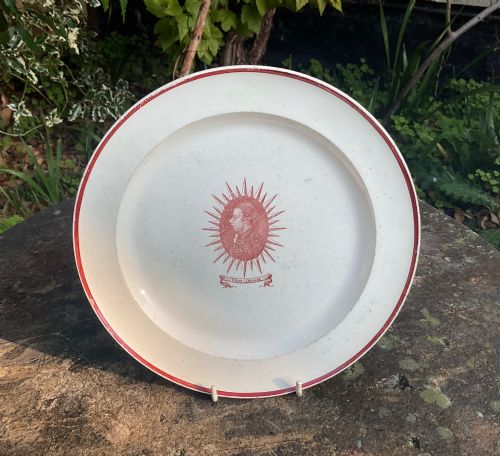
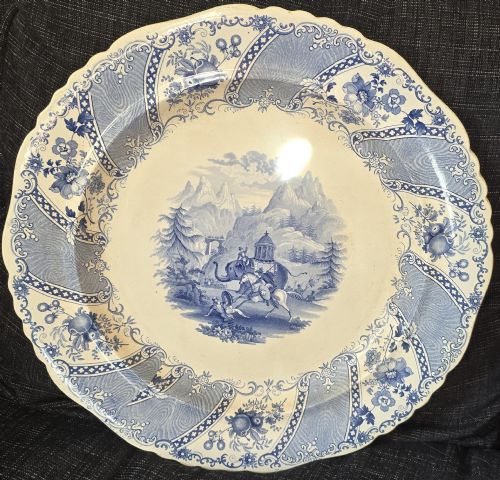
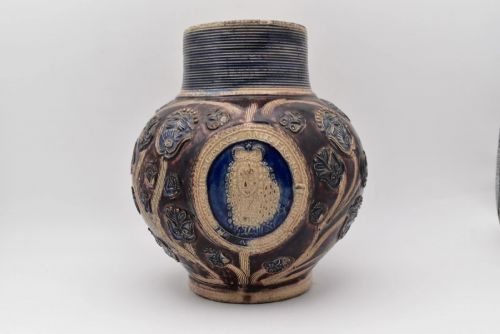
Historical ceramics bring political figures, naval heroes and classical battle scenes directly onto earthenware plates, porcelain chargers and earthenware jugs.
Historical Ceramics
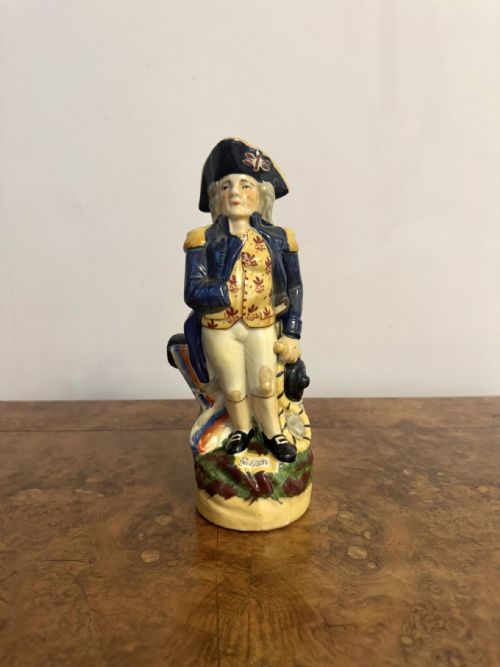
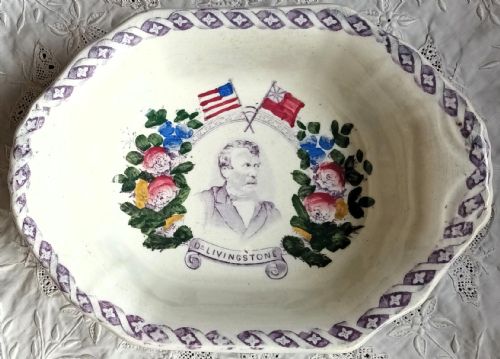
When you search for historical ceramics, you encounter commemorative pottery dishes, portrait figures, toby jugs and transferware plates depicting subjects from the seventeenth century onward. These objects record notable personalities, military campaigns and historical events through applied imagery, painted scenes and moulded forms.
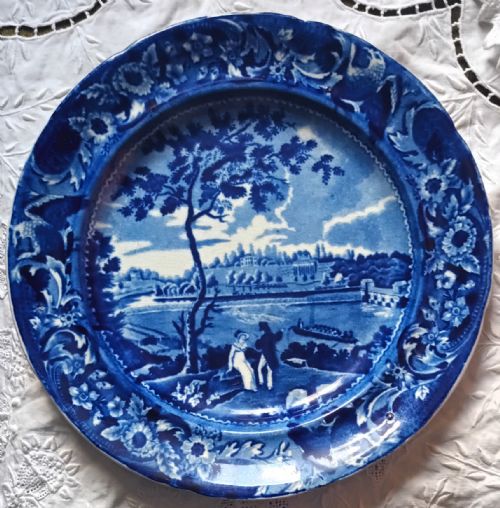
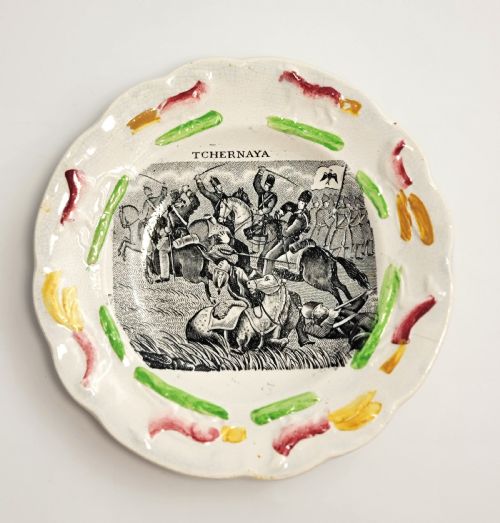
You meet nineteenth-century earthenware and porcelain most often on this page, spanning Victorian, Georgian and Edwardian periods. Staffordshire figures, blue and white transfer plates and large Vienna porcelain chargers dominate the selection, portraying historical leaders and scenes from battles.
Materials and Manufacture
Potters utilised earthenware, porcelain, stoneware and ceramic glaze to form plates, jugs, busts and figures. Artisans applied hand painting, transfer printing, enamel and gold leaf to decorate the surfaces with portraits and narrative scenes.
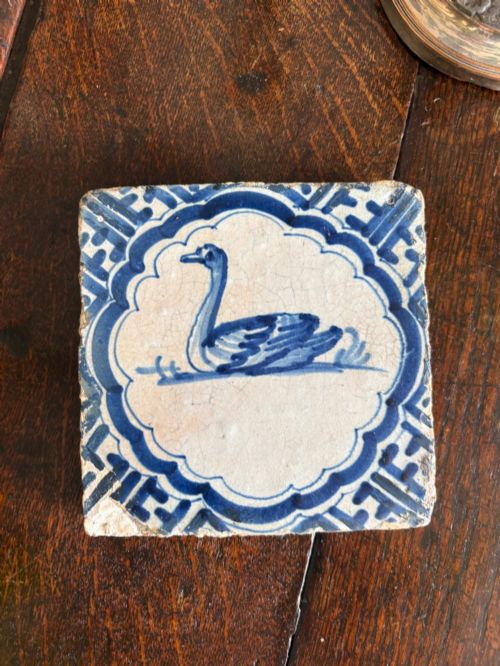
Makers shaped clay into decorative tiles, teapots and chargers, firing the pieces before applying detailed pigments and glazes. Stoneware jugs received salt glazing or incised motifs during production, while porcelain items required specialised high-temperature kilns.
Historical Ceramics Retail Price Guide 2026
Typical asking prices for historical ceramics among the pieces listed under this phrase on Sellingantiques today, from the lower quarter to the upper quarter. They describe what is for sale here now, not the wider market.
The selection includes decorative plates, toby jugs, teapots, tiles and portrait figures.
Judging Quality
The sophistication of the historical subject and the complexity of the composition distinguish finer chargers and plates. Skilled painters and established potteries achieved greater depth in narrative scenes, whereas standard production pieces relied on simpler transfer patterns and basic glazing.
William Smith & Co·Copeland Spode·Stubbs·Sevres
The Historical Ceramics Glossary
- Transferware
- Earthenware or porcelain decorated by pressing a printed paper design from an engraved copper plate onto the ceramic surface. This technique allowed factories to produce detailed blue and white historical views efficiently.
- Charger
- A large decorative plate designed for display on a wall or dresser rather than for dining use. These items frequently display complex historical or classical scenes.
- Toby Jug
- A pottery jug shaped as a full-figured person, typically wearing eighteenth-century attire and holding a mug or mug of ale. These pieces often depict historical commanders, politicians or stock characters.
- Staffordshire
- Pottery and porcelain produced by numerous factories located in the English region known as the Potteries. These works include portrait figures of notable individuals and commemorative commemorative dishes.
- Maiolica
- Tin-glazed earthenware associated with Italian pottery traditions. Artisans painted historical and classical subjects directly onto the unfired white glaze.
Historical Ceramics: Frequently Asked Questions
What are historical ceramics?
Historical ceramics comprise earthenware, porcelain and stoneware objects decorated with portraits of leaders, naval heroes and scenes from battles or historical events. These pieces include plates, jugs, chargers and figures produced primarily during the nineteenth century.
Potters utilised transfer printing and hand painting to record significant political and military milestones. Collectors value them for their detailed depiction of past eras.
How were commemorative pieces used?
Commemorative pottery dishes and plates served both decorative and commemorative purposes in domestic settings. Displayed on walls or sideboards, they celebrated military victories, royal portraits and national acts of union.
Figurines and toby jugs commemorated statesmen, generals and religious figures on mantelpieces. They functioned as tangible reminders of contemporary patriotism and historical pride.
How do I care for historical ceramics?
Keep historical ceramics away from direct sunlight to protect enameled surfaces and painted details from fading. Dust pieces gently with a dry cloth and avoid harsh chemical cleaners.
Display plates securely using appropriate wall hangers or stands designed for heavy ceramics. Handle jugs and figures by their main bodies rather than protruding handles or delicate painted elements.
How do I identify periods?
Period identification relies on analyzing the ceramic body, glaze type, decorating technique and subject matter. Staffordshire portrait figures and transferware plates often bear specific historical subjects tied to known nineteenth-century events.
Factory marks, when present on the base, assist in dating pieces alongside stylistic indicators like Renaissance Revival or Victorian design motifs.