



Historical Blue Pottery
Historical blue pottery brings centuries of cobalt pigment and tin glaze to your walls and surfaces, offering timeless decorative figures and plates.
Historical Blue Pottery
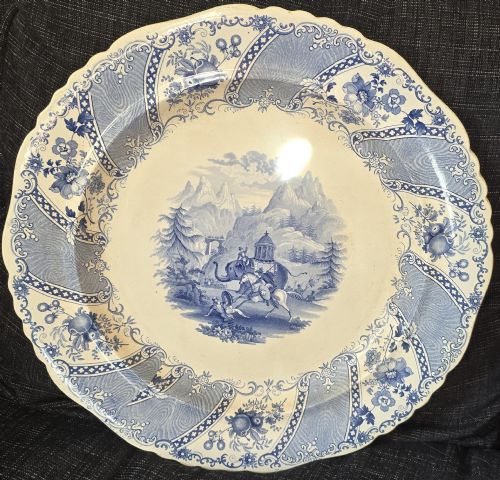
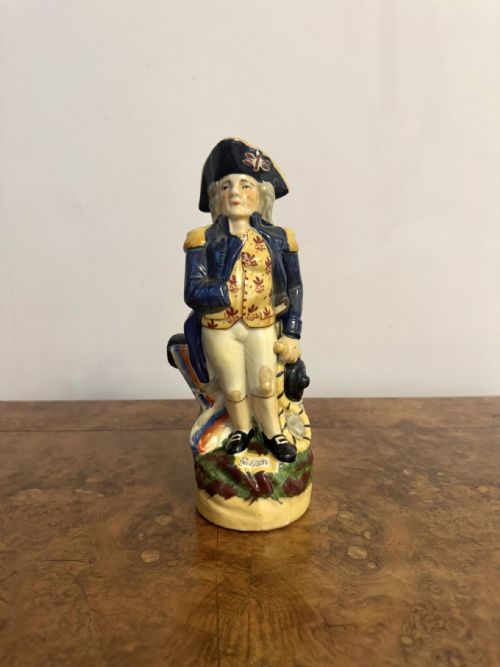
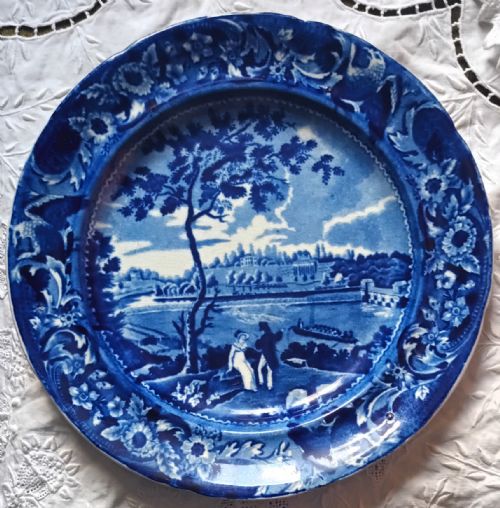
Historical blue pottery encompasses diverse objects from 17th century Dutch Delft tiles to 19th century Staffordshire figures and Georgian transfer plates. Buyers searching for historical blue pottery will find decorative plates, toby jugs, teapots, and commemorative figures spanning Dutch Baroque, Georgian, and Victorian styles.
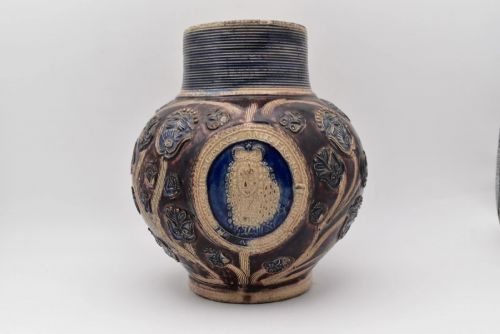
The pieces on this page are most commonly earthenware and salt-glazed stoneware decorated with cobalt pigment under ceramic glaze. Forms range from hand-painted animal motifs and royal portraits to topographical transfer-printed scenes depicting American and British landmarks.
How historical blue pottery was made
Potters shaped earthenware and stoneware bodies by hand or in moulds before applying ceramic glaze and cobalt pigment. Early Dutch pieces relied on hand-painted tin glaze techniques, while later 19th century transfer-printed plates transferred engraved copperplate designs onto the ceramic surface.
Firing took place in traditional kilns where salt glazing created characteristic textured surfaces on stoneware jugs, and liquid ceramic glazes sealed earthenware bodies beneath rich blue paint.
Historical Blue Pottery Retail Price Guide 2026
Typical asking prices for historical blue pottery among the pieces listed under this phrase on Sellingantiques today, from the lower quarter to the upper quarter. They describe what is for sale here now, not the wider market.
Listings feature earthenware, stoneware, and ceramic glaze across 17th, 19th, and Georgian periods.
What varies in quality in historical blue pottery
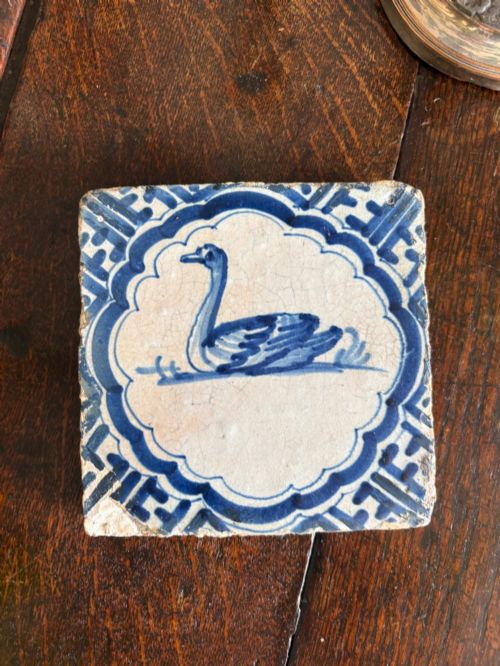
Quality rests in the crispness of the cobalt pigment application and the definition of the transfer print or hand-painted brushwork. Early hand-painted swan motifs on Dutch tiles show distinct artisan control, whereas transfer plates depend on the clarity of the engraved copperplate impression during the transfer process.
Sculptural pieces such as Staffordshire figures and toby jugs vary according to the sharpness of the mould impression and the accuracy of the hand-applied enamel details that bring portrait subjects to life.
Copeland Spode·Stubbs
The Historical Blue Pottery Glossary
- Cobalt Pigment
- A metallic oxide used to produce deep blue colourations under the glaze during high-temperature kiln firings. This mineral pigment remains stable at extreme heat, yielding the characteristic vibrant blue tones seen on historical pottery.
- Tin Glaze
- An opaque white ceramic glaze containing tin oxide that provides a smooth, light-coloured background for painted cobalt decoration. It is characteristic of Delftware and early European earthenware traditions.
- Transfer-Printed
- A decoration technique where an engraved copperplate transfers a printed design onto tissue paper, which is then applied to the ceramic body before glazing. This method allowed intricate topographical views and patterns to be reproduced consistently.
- Salt-Glazed Stoneware
- A dense, impermeable pottery type created by throwing common salt into the kiln during high-temperature firing, which reacts with the silica in the clay body to form a pitted, glassy coating. It produces durable jugs and vessels with distinctive orange-peel textures.
- Toby Jug
- A pottery jug modelled in the form of a stout, jovial person, typically wearing 18th century attire and holding a mug or mug and pipe. These figural vessels combine utilitarian function with characterful portraiture.
Historical Blue Pottery: Frequently Asked Questions
What is historical blue pottery?
Historical blue pottery includes decorative earthenware and stoneware pieces adorned with cobalt blue designs, ranging from early tin-glazed tiles to Victorian transfer-printed plates.
These items encompass functional vessels like teapots and jugs alongside decorative figures and commemorative portrait pieces.
How do I date historical blue pottery?
Dating relies on stylistic markers, manufacturing techniques, and specific historical subjects depicted on the ceramic body. Pieces often reference monarchs, political figures, or historical events from the 17th, 18th, and 19th centuries.
Examining the base fabric, glaze composition, and application of the blue pigment helps distinguish earlier hand-painted wares from later transfer-printed examples.
How were transfer plates made?
Transfer plates were produced by engraving a copperplate with a detailed scene, such as a landscape or architectural view. Cobalt ink was applied to the plate and transferred via tissue paper onto the ceramic surface before glazing and firing.
This technique allowed potteries to mass-produce intricate topographical designs with consistent detail across multiple plates.
How should I display historical blue pottery?
Historical blue pottery plates and tiles are frequently displayed on wall mounts or specialised plate stands to highlight their detailed blue and white designs. Figural pieces and jugs look best on stable surfaces in well-lit display cabinets away from direct sunlight.
Ensure that shelving is secure and appropriately sized to support the weight of denser earthenware and salt-glazed stoneware items.