








Historic Wood Frame
Historic wood frame pieces bring centuries of artistry and craftsmanship into a room, offering genuine period character through timber, canvas, and gold leaf.
Historic Wood Frame
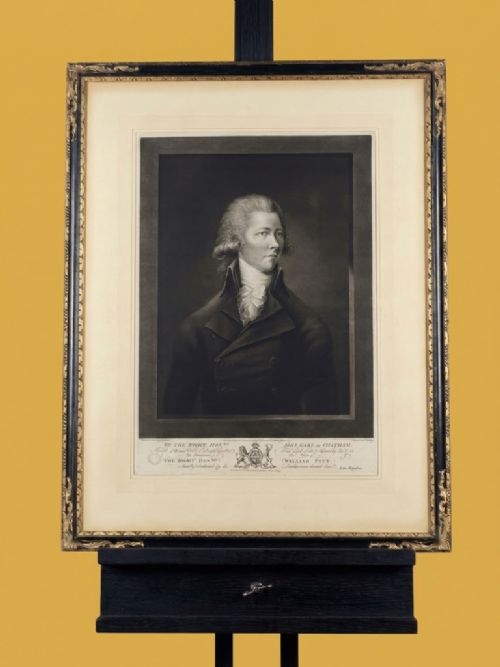
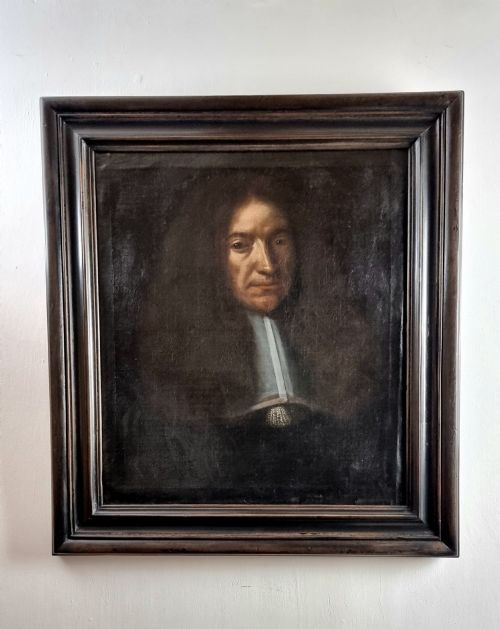
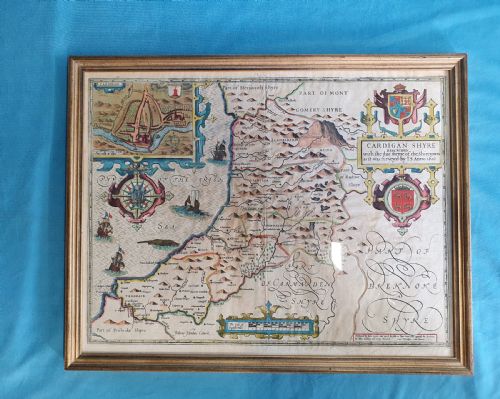
A historic wood frame surrounds artworks, mirrors, and documents from past centuries, transforming utilitarian borders into decorative centrepieces. When searching for a historic wood frame, buyers encounter oil paintings, maps, embroidered samplers, and engravings encased in timber structures spanning the seventeenth, eighteenth, and nineteenth centuries.
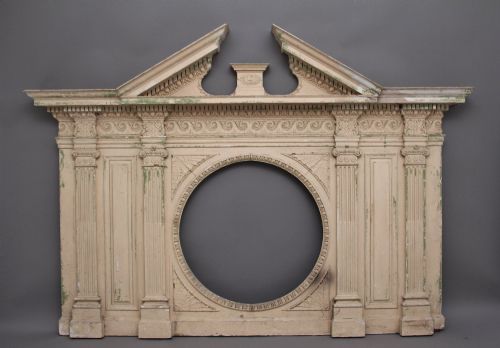
The selections on this page range from Jacobean portraits and Georgian maps to Regency oil paintings and Victorian needlework samplers. Painted pine overmantels and mahogany structures also appear alongside gilded mouldings and oak frames enclosing tapestries.
Buyers find that many items retain their original mounting materials, linking the artwork directly to its period of creation. These pieces serve as windows into historical aesthetics, housing everything from cartography to fine art paintings.
How they were made
Carpenters and artisans constructed these objects using traditional joinery and carved timber, frequently applying gold leaf over prepared wooden substrates to create giltwood finishes. Pine, mahogany, and oak form the structural foundations, supporting oil on canvas, paper, linen, and panel media.
Mouldings were shaped by hand, and surfaces were finished with natural pigments, paints, or gilding techniques specific to their era. Glass protected delicate works such as engravings, watercolours, and silk embroideries within the protective wooden housing.
Historic Wood Frame Retail Price Guide 2026
Typical asking prices for historic wood frame among the pieces listed under this phrase on Sellingantiques today, from the lower quarter to the upper quarter. They describe what is for sale here now, not the wider market.
Listings feature seventeenth-century oak frames, eighteenth-century giltwood and painted pine, and nineteenth-century mahogany housing oil paintings and maps.
What varies in quality
The degree of artistic execution in the carved details, mouldings, and surface finishes determines the standing of an individual piece within its period. Crispness in the carving of timber or the application of gold leaf distinguishes superior examples from standard workshop production.
The integrity of the relationship between the artwork and its mounting also influences the piece, as original housings matched specifically to the painting, map, or sampler hold greater historical interest. Preservation of the wood, canvas, or paper determines how successfully the object conveys its age.
George Keating·Simon De Koster·Sir Joshua Reynolds·Paul Leon Jazet·Janssonius·Joan Blaeu
The Historic Wood Frame Glossary
- Giltwood
- Wood covered with a thin layer of gold leaf. This finish defines many decorative frames from the eighteenth and nineteenth centuries.
- Overmantel
- A large decorative piece designed to hang above a fireplace. These frequently incorporate painted pine or carved wooden structures.
- Sampler
- A piece of embroidery or needlework produced by individuals to demonstrate skill. Examples in the listings often feature dated inscriptions and original frames.
- Mezzotint
- A printmaking process from the copper plate engraving family that achieves tonal gradation. These prints appear behind glass within period borders.
- Cartography
- The study and practice of making maps. Antique examples on this page include regional maps framed in wood from the seventeenth and eighteenth centuries.
Historic Wood Frame: Frequently Asked Questions
How do I date a historic wood frame?
Dating relies on examining the timber species, construction joints, carving styles, and finishing techniques such as early gilding methods. Secondary materials like backing boards and fixings also provide clues regarding the era of manufacture.
Comparing the moulding profile to known stylistic periods helps narrow down the decade or century. Original labels or inscriptions on the reverse occasionally confirm precise dates.
Are these frames original to the artwork?
Many items retain their original enclosures, particularly where the dimensions and rebate match the canvas, panel, or paper precisely. Samplers and maps frequently survive in their initial mountings due to the custom sizing required for textiles and cartography.
Over the centuries, paintings were sometimes remounted into fashionable styles of later eras. Inspecting the fit and ageing patterns helps determine if the pairing is contemporary with the artwork.
How should I care for historic wood frames?
Maintenance requires keeping pieces away from direct sunlight, excessive heat, and sudden humidity changes to prevent timber splitting or gilding flaking. Dusting should be performed gently with a soft, dry brush without applying modern cleaning chemicals.
Stable indoor environments preserve both the structural integrity of the timber and the condition of the artwork inside. Avoid using abrasive cloths on gilded surfaces.
What woods were commonly used?
Carpenters utilised native timbers such as oak for seventeenth-century pieces, shifting towards pine, mahogany, and fruitwoods in later periods. Pine served as a primary base for painted overmantels and heavy gilding preparations.
Exotic imported woods appeared more frequently during the eighteenth and nineteenth centuries as trade routes expanded. The choice of timber often reflects the region of origin and the prevailing fashion.