






Historic Watercolour Artwork
Historic watercolour artwork brings centuries of observed light and pigment to your walls, recording landscapes, interiors and portraits.
Historic Watercolour Artwork
Historic watercolour artwork encompasses paintings executed on paper using water-soluble pigments, often accompanied by ink or sepia wash. When searching for historic watercolour artwork, buyers encounter pieces originating from the Georgian, Regency, Victorian and Edwardian periods, extending through to mid-century realism.
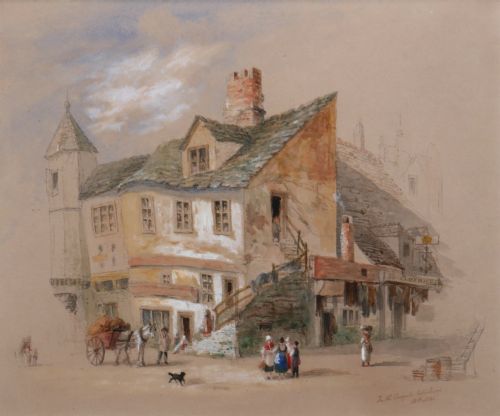
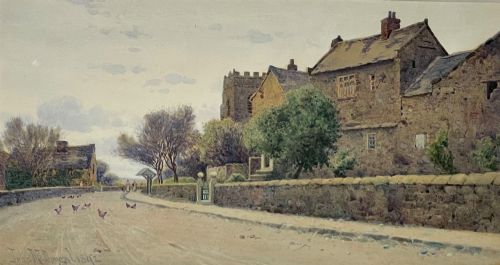
The subjects span topographical views of cities and rivers, maritime scenes featuring lighthouses and warships, architectural interiors, and detailed portrait miniatures. These works take the form of framed paintings and fine art paper pieces created by named artists and regional British schools.
Materials and construction
These works rely fundamentally on watercolour pigment applied to paper support, frequently strengthened with ink line work or sepia tones to define architectural details and figures. Pigments are mixed with water and layered transparently or opaquely to build up tone and atmosphere.
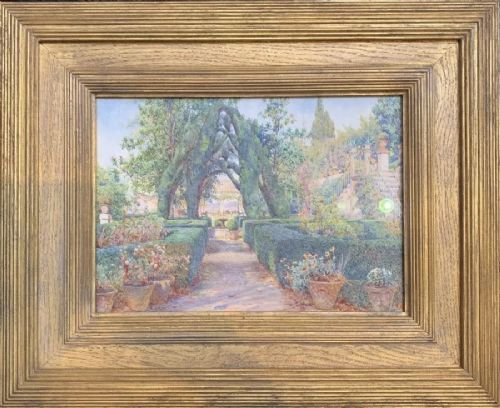
Framing typically incorporates glass for surface protection alongside wood mouldings or gilt wood frames that enclose the paper sheet. The combination of paper, pigment and protective glass forms the standard structural format across the periods.
Historic Watercolour Artwork Retail Price Guide 2026
Typical asking prices for historic watercolour artwork among the pieces listed under this phrase on Sellingantiques today, from the lower quarter to the upper quarter. They describe what is for sale here now, not the wider market.
Subject matter includes British Impressionism, First World War illustration, Mughal portraiture, and regional landscapes from Yorkshire to Venice.
Distinctions in quality
Quality rests upon the sureness of the hand and the precision of perspective, particularly in architectural and topographical views where draughtsmanship dictates success. The handling of light, shade and atmosphere separates confident professional execution from rigid or hesitant student work.
Condition of the paper support and vibrancy of the surviving pigment also govern the standing of a piece. Works retaining their original tonal depth without heavy fading or excessive foxing represent the stronger examples of the medium.
Bruce Bairnsfather·John McDougal·Ernest Arthur Rowe·Percy Robertson·John Augustus Atkinson·Rowland Henry Hill·Henry Barlow Carter·Thomas Rowlandson·Noel Harry Leaver·WF Mitchell·Robert Anderson·Beatrice Parsons·Tom Dudley·Owen Bowen·John Thirttle
The Historic Watercolour Artwork Glossary
- Watercolour
- A painting method where natural pigments suspended in water-soluble binders are applied to paper. It allows for translucent washes and delicate tonal gradation.
- Sepia
- A brown pigment derived from the ink sac of the cuttlefish, frequently utilised for monochrome drawings and tonal underdrawings.
- Topographical
- A genre of art focused on the accurate depiction of specific places, buildings, landscapes or townscapes. These works serve as visual records of locations at a given date.
- Portrait Miniature
- A small, highly detailed portrait painting executed on paper, vellum or ivory. They demand immense precision from the artist due to their restricted scale.
Historic Watercolour Artwork: Frequently Asked Questions
Are these works painted on paper?
Yes, nearly all historic watercolours utilise paper as the primary support medium for the applied pigments and washes.
Some pieces also incorporate ink or pencil underdrawing beneath the watercolour layer.
What subjects are most common?
Landscapes, architectural interiors, coastal scenes with lighthouses, and townscapes dominate the available selection.
Portraiture and military illustrations also appear regularly across the nineteenth and early twentieth centuries.
How do I identify the period?
Stylistic clues within the clothing, architecture, and framing help narrow down the date of execution.
Signatures, dates inscribed by the artist, and paper watermarks provide further confirmation of the era.