

Historic Painting Art
Historic painting art brings centuries of portraiture, landscape and maritime scenes into a room through oil and watercolour.
Historic Painting Art
Historic painting art encompasses centuries of visual culture, drawing heavily on portraiture and landscape traditions. When exploring historic painting art, one encounters oil on canvas, oil on panel, and watercolour works spanning the seventeenth century through to the twentieth century. British, Dutch, French, and wider European schools appear frequently across these listings, alongside miniature portraits and large maritime canvases.
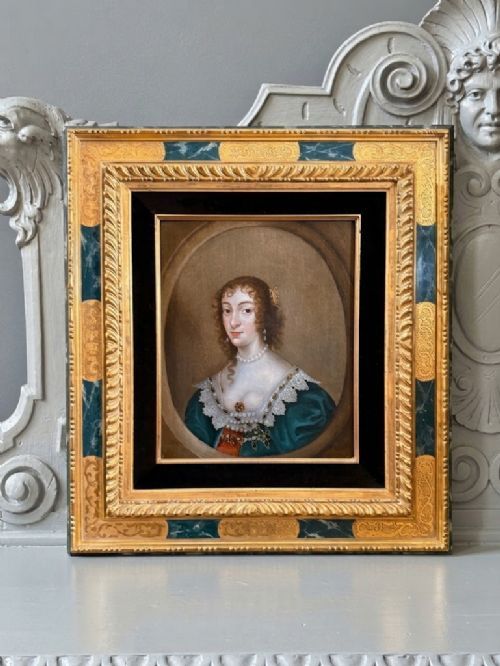
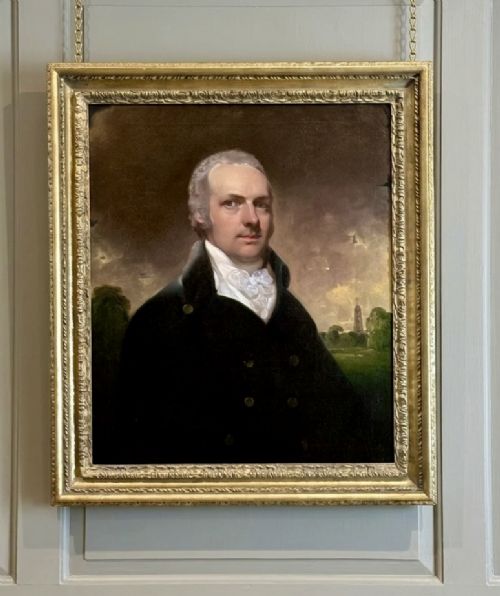
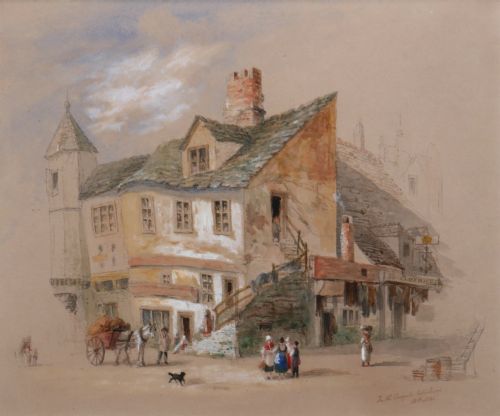
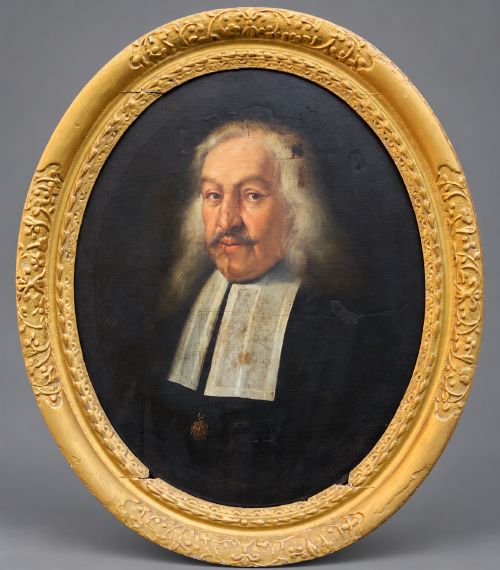
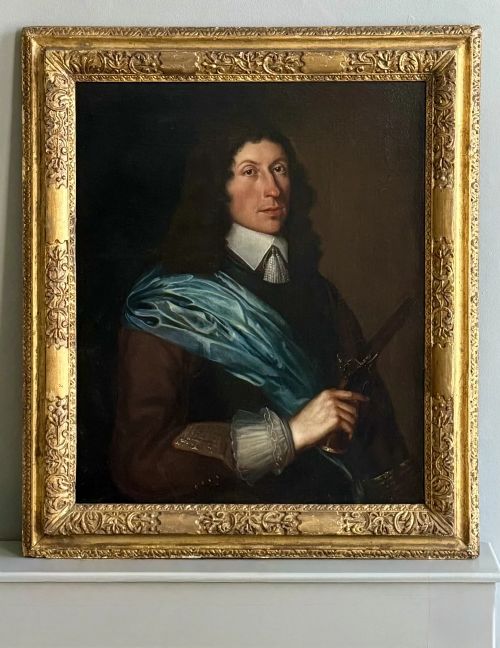
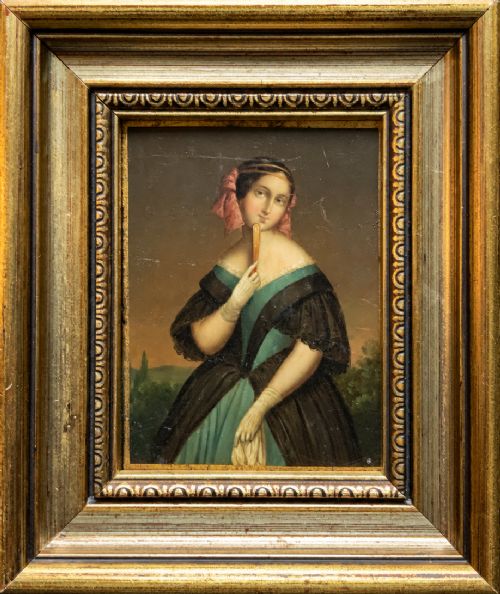
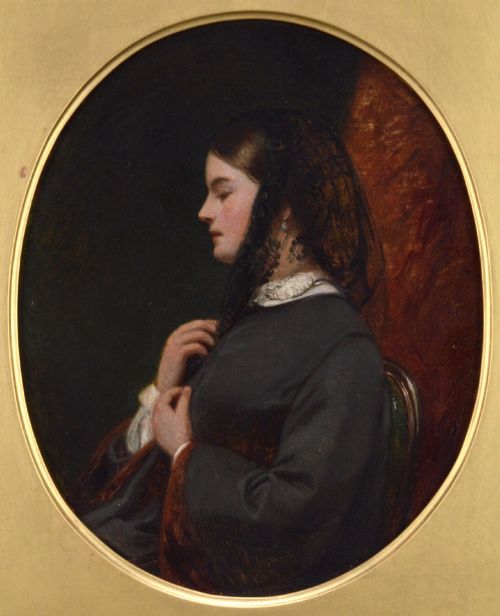
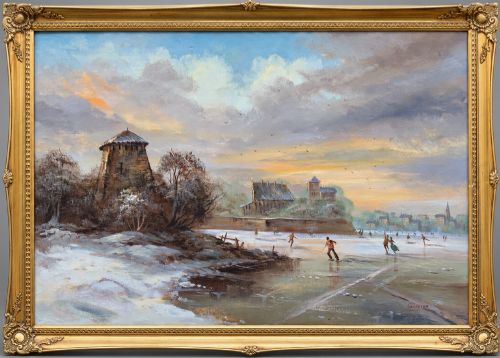
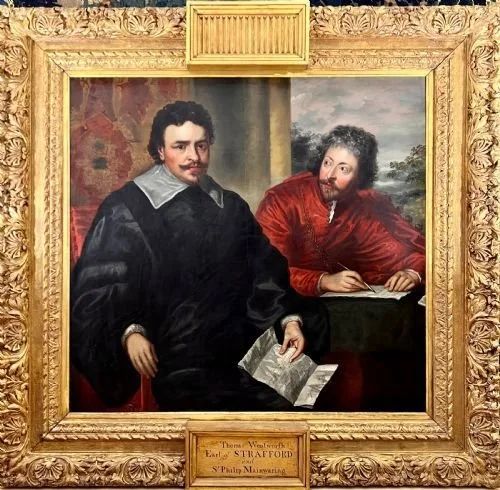
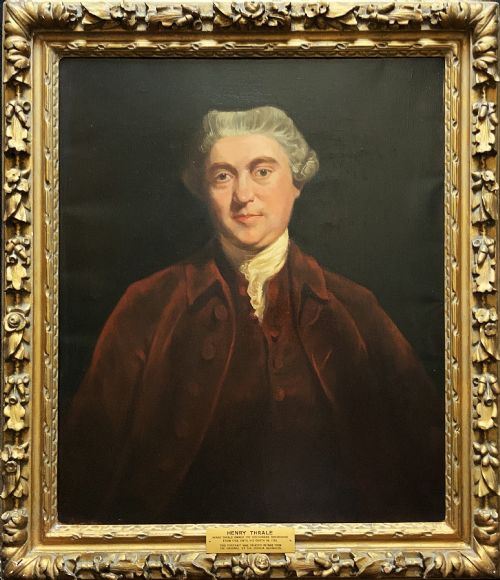
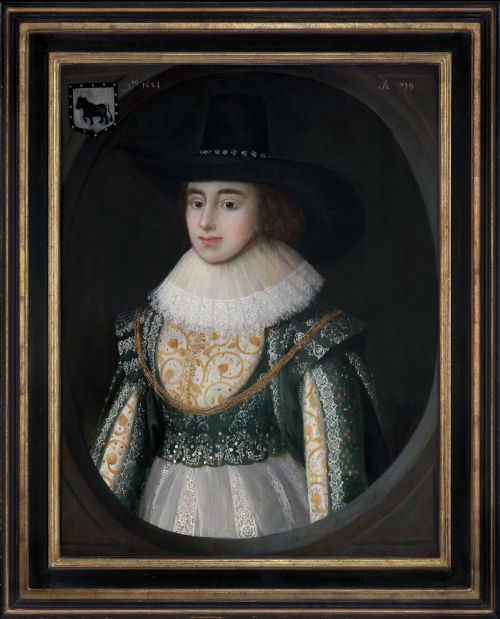
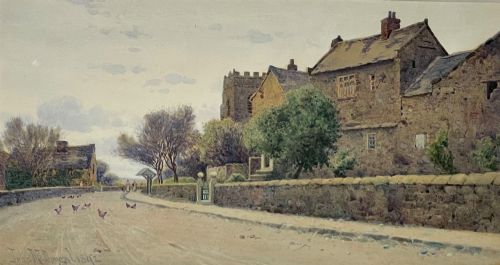
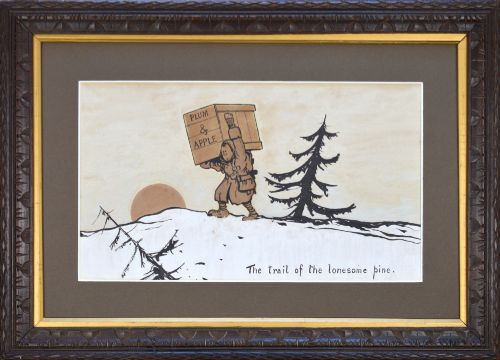
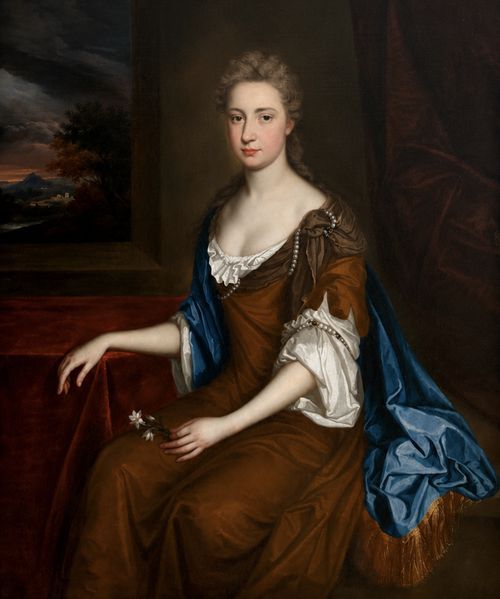
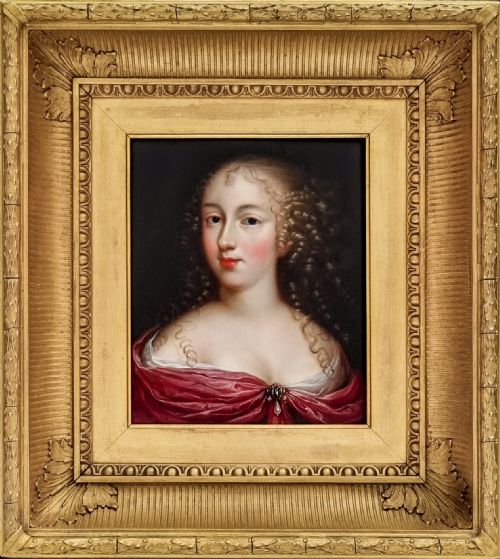
Portraits form a substantial portion of historic painting art, ranging from seventeenth-century noblewomen and military officers to eighteenth-century gentlemen and Victorian ladies. Landscapes and maritime subjects also feature, depicting winter scenes, harbour views, and warships anchored off foreign coasts. These works vary from formal studio pieces to delicate watercolours and after-master studies.
Materials and construction
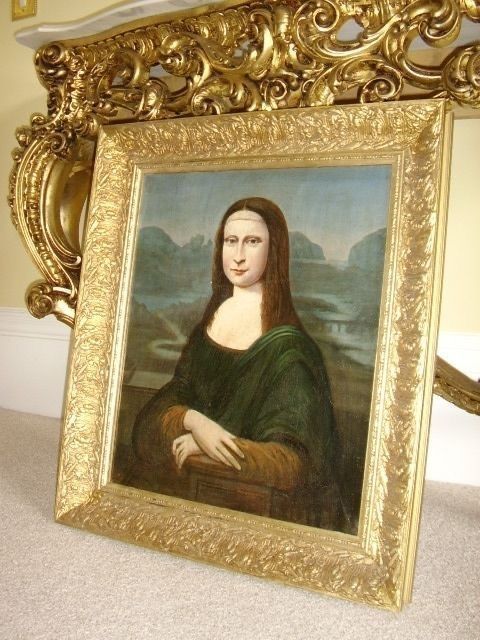
Artists relied primarily on oil paint applied to woven canvas or rigid wooden panels, building up layers of pigment and glaze. Giltwood and gold leaf frames frequently enclose these works, providing a decorative and protective border that complements the period aesthetic. Watercolours on paper also appear, capturing lighter compositions with fluid washes.
Panel paintings from earlier centuries utilise prepared wood supports, while later canvases stretch across wooden frames secured with traditional joinery. Pigments mixed with oils allowed for rich tonal depth, visible in seventeenth-century and eighteenth-century portraiture. Hand-painted ceramic chargers also emerge within the broader category of wall art and decorative paintings.
Historic Painting Art Retail Price Guide 2026
Typical asking prices for historic painting art among the pieces listed under this phrase on Sellingantiques today, from the lower quarter to the upper quarter. They describe what is for sale here now, not the wider market.
European schools represented include British, Dutch, and French artists, with portraiture forming the dominant genre.
Judgement of quality
Quality in historic painting art depends upon the precision of brushwork, the handling of light and shadow, and the psychological depth of a portrait subject. Works originating from named studios or attributed circles often demonstrate superior anatomical drawing and facial expression compared to anonymous school pieces. The preservation of the original pigment layer and the structural integrity of the canvas or panel further distinguish finer examples.
The craftsmanship of the accompanying frame contributes significantly to the overall presentation of historic painting art. Frames executed in carved giltwood with original gilding elevate the piece, whereas later replacements alter the historical unity. The clarity of provenance and attribution to specific European schools or documented painters also sets superior works apart.
Trajan Hughes·Sir Allan Ramsay·Cornelius Johnson·Pierre Mignard·Jeremiah Davison·Mary Beale·John Scougall·Edouard Pingret·Pietro Fachetti·Stephen Pearce·Pieter Borseler·Henri and Charles Beaubrun
The Historic Painting Art Glossary
- Oil on Canvas
- A painting medium where pigments suspended in drying oils are applied to stretched fabric. This technique allowed artists to achieve rich colours and subtle gradations.
- Oil on Panel
- A painting created on a flat piece of wood rather than fabric. Panels provided a rigid and durable surface favoured by early European masters.
- Giltwood
- Wood that has been coated with a thin layer of gold leaf or gold powder. It is commonly found on decorative frames surrounding antique portraits.
- Miniature Portrait
- A very small, highly detailed painting usually depicting a specific person. These intimate works were often created on ivory, vellum, or card during the eighteenth and nineteenth centuries.
- Maritime Oil Painting
- An artwork focusing on ships, naval battles, or coastal scenes executed in oil paint. These pieces document maritime history and seafaring vessels.
Historic Painting Art: Frequently Asked Questions
What subjects are common in historic painting art?
Portraits of nobility, military officers, and gentlemen dominate the earlier centuries, often recording specific individuals with detailed clothing and attributes. Landscapes, Venetian lagoons, and maritime scenes involving galleons and war-ships also appear frequently.
Religious and literary copies after master painters provide additional variety within the selection. These subjects reflect the artistic tastes and commissioning practices of their respective eras.
How do I identify the period of a painting?
Stylistic clues such as costume, wig styles, and framing conventions offer strong indications of a painting's era. Seventeenth-century works often feature rigid poses and elaborate lace collars, while eighteenth-century pieces lean towards softer drapery and relaxed postures.
Signatures, dates inscribed on the canvas or panel, and historical documentation associated with the sitter help narrow down the creation date. Comparing brushwork to known regional schools aids in further classification.
Where were these paintings originally displayed?
Historic paintings hung primarily in country houses, stately homes, and urban townhouses belonging to aristocratic or prosperous merchant families. Large portraits commemorated family lineages, political offices, and military achievements.
Smaller miniatures served as personal tokens of affection kept within private rooms or carried on the person. Coastal and landscape works adorned reception rooms and libraries.
How should I care for an antique oil painting?
Keep paintings away from direct sunlight, radiators, and damp environments to prevent canvas slackening, wood warping, and pigment fading. Stable room temperatures and moderate humidity protect both the paint layer and the wooden support.
Dust the surface and frame gently with a soft, dry brush without applying pressure or cleaning solutions. Professional conservators should handle any structural repairs or varnish removal.