

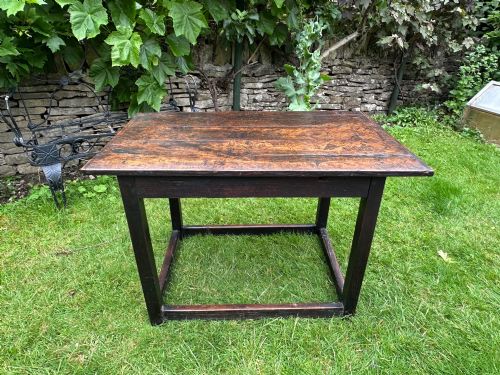


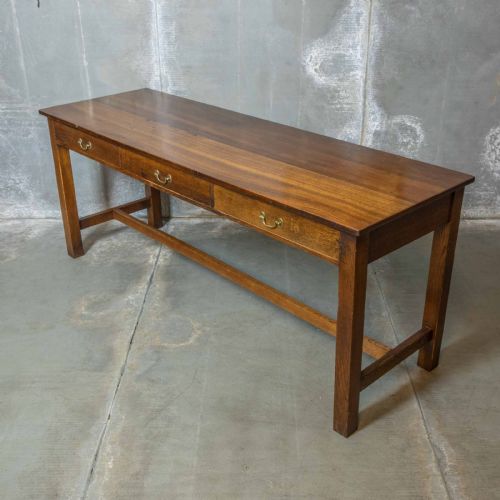


Historic Oak Table
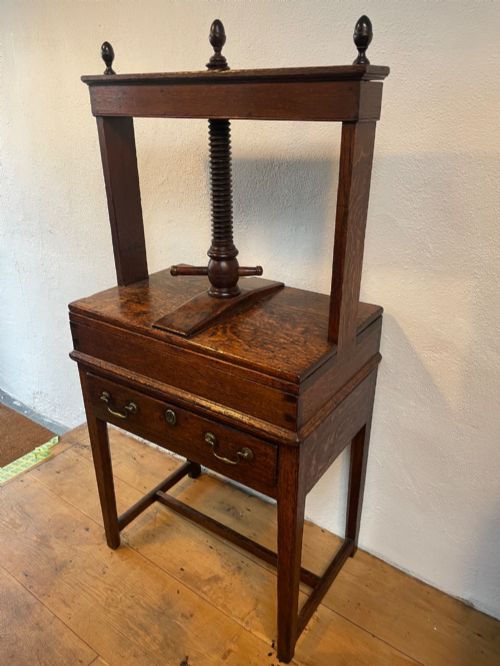
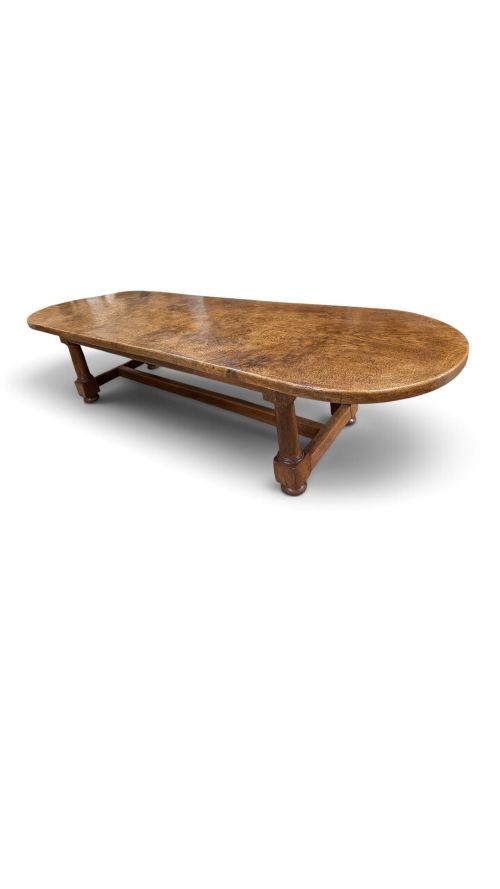
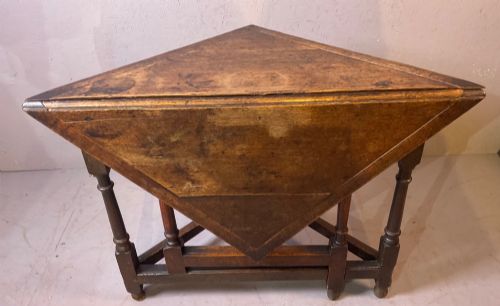
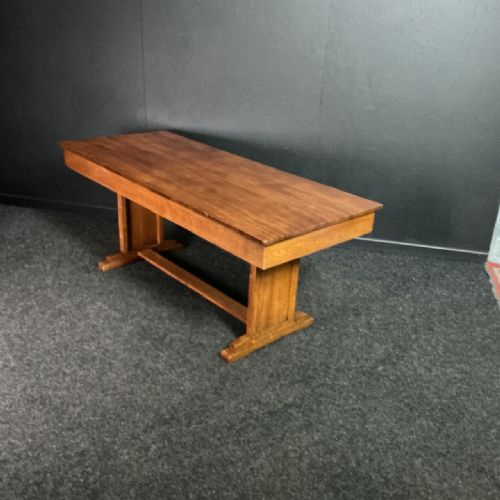
These historic oak table pieces bring solid timber character and centuries of functional craftsmanship straight into your dining room or library.
Historic Oak Table
A historic oak table represents a tradition of sturdy British woodworking spanning from the seventeenth century through to the early twentieth century. When you search for a historic oak table, you encounter forms ranging from rustic farmhouse boards and refectory designs to library tables and console pieces.
The selections on this page draw predominantly from the eighteenth and seventeenth centuries, alongside later revival styles from the nineteenth and early twentieth centuries. These tables served practical daily needs in homes and public buildings, developing rich patinas over generations of service.
Alongside conventional dining and side tables, the listings include related forms like joint stools, cupboards, and Bible boxes that share the same material palette and construction methods. Buyers most frequently meet plank top surfaces and refectory formats carrying the distinct grain and warmth of genuine oak.
Materials and Construction
Makers relied principally on solid oak, selected for its density and durability, occasionally incorporating pine, iron, and brass details for structural support or hardware. Timber planks were joined with traditional methods suited to heavy daily use.
Surface treatments and carved friezes reveal the hand methods of period artisans, whether working in a strict Jacobean style or a later Arts and Crafts revival manner. The natural grain of the wood forms the primary visual character of each piece without need for heavy ornamentation.
Historic Oak Table Retail Price Guide 2026
Typical asking prices for historic oak table among the pieces listed under this phrase on Sellingantiques today, from the lower quarter to the upper quarter. They describe what is for sale here now, not the wider market.
Some tables arrive with unexpected built-in drawers designed centuries ago for secret storage or safe keeping of household Bibles.
Assessing Quality and Character
Quality in these pieces rests in the integrity of the timber and the honesty of the construction, where original plank tops and period fixings command greater attention. The depth of the surface patina tells the story of age and use, distinguishing pieces shaped by centuries from later imitations.
Proportion and balance define the better examples, whether dealing with a substantial refectory table or a modest console. Structural soundness combined with minimal alteration preserves the historical value of the timber.
The Historic Oak Table Glossary
- Refectory table
- A long, narrow dining table traditionally used in monasteries and large halls. They often feature sturdy stretcher bases designed to support heavy timber tops.
- Joint stool
- A traditional wooden stool built with mortise and tenon joints rather than turned legs alone. These items match the timber and joinery of period seating and tables.
- Credence table
- A folding or fixed side table with a hinged top supported by a gateleg action. They appeared frequently in domestic settings for holding ceremonial objects or serving food.
- Plank top
- A table surface constructed from wide boards of solid timber joined edge to edge. This construction method defines the rustic appearance of early farmhouse and refectory boards.
- Frieze
- The horizontal band running beneath the table top, often decorated with carved details or housing integrated drawers. In period pieces, this area frequently displays the signature chisel work of the maker.
Historic Oak Table: Frequently Asked Questions
How do I care for an old oak table?
Maintain the timber by applying natural beeswax periodically to nourish the grain and protect the surface from moisture. Avoid placing the table near direct heat sources to prevent the wood from splitting.
Clean spills promptly with a soft, dry cloth rather than harsh chemical sprays. Gentle upkeep preserves the historic patina developed over centuries of use.
Are these tables suitable for daily dining?
These pieces were built for heavy domestic service and easily withstand regular daily use. Solid timber construction provides the stability needed for modern dining environments.
Protect the surface with heat mats and coasters to guard against marks. The robust nature of the wood means minor marks simply add to the character of the piece.
How can I tell the period of an oak table?
Examine the construction joints, tool marks, and the colour of the timber beneath the surface. Hand-cut pegs and uneven board widths typically point towards seventeenth or eighteenth century origins.
Revival pieces from the nineteenth and twentieth centuries often display machine tooling or stylistic markers associated with Jacobean and Arts and Crafts movements. Comparing the hardware and structural design helps clarify the era of manufacture.
What is the difference between a refectory and a farmhouse table?
Refectory tables traditionally feature longer, narrower proportions with substantial stretcher bases designed for communal halls. Farmhouse tables generally present broader working surfaces suited to rural domestic kitchens.
Both forms utilise heavy oak planks, but their proportions reflect different historical origins and patterns of daily life.