





Historic Oak Carving
Historic oak carving brings domestic woodwork from the sixteenth to nineteenth centuries into modern rooms, offering panels, furniture, and architectural fragments.
Historic Oak Carving
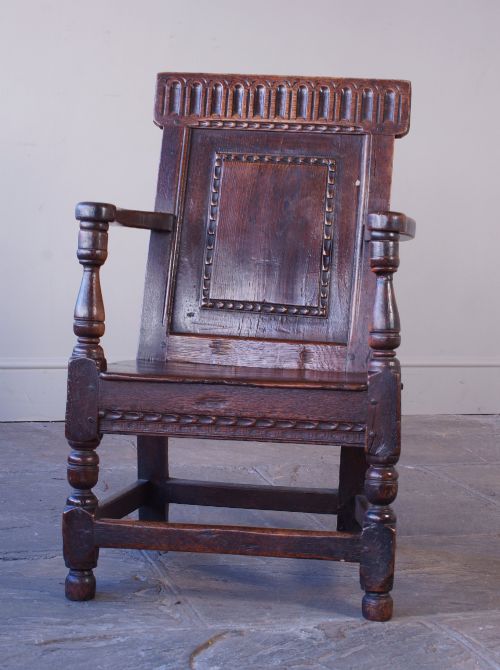
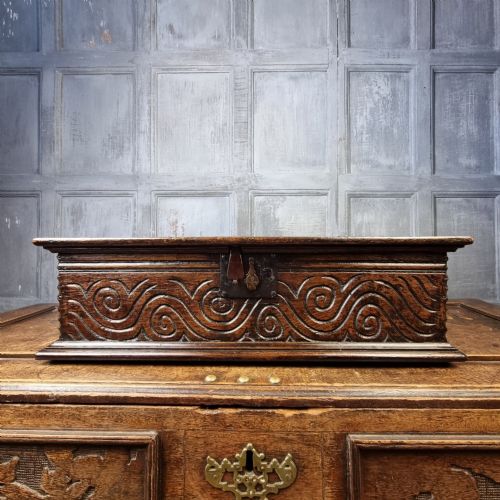
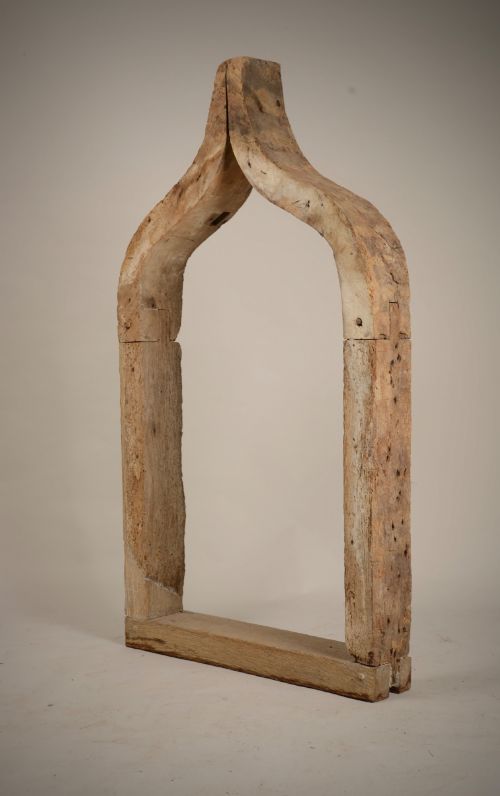
When you search for historic oak carving, you encounter structural woodwork, panels, and heavy furniture spanning several centuries. The selection ranges from pre-sixteenth-century medieval fragments and sixteenth-century panelled cradles to seventeenth-century wainscot armchairs, court cupboards, and coffered chests.
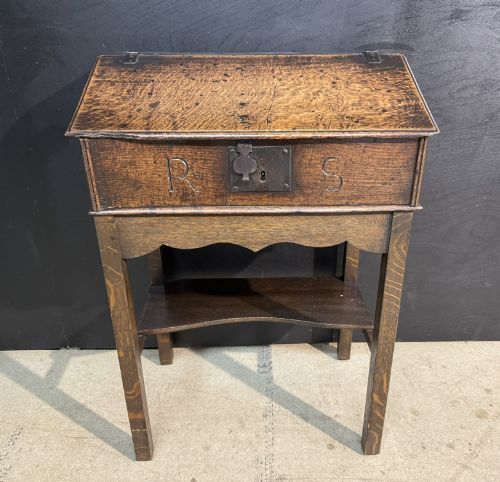
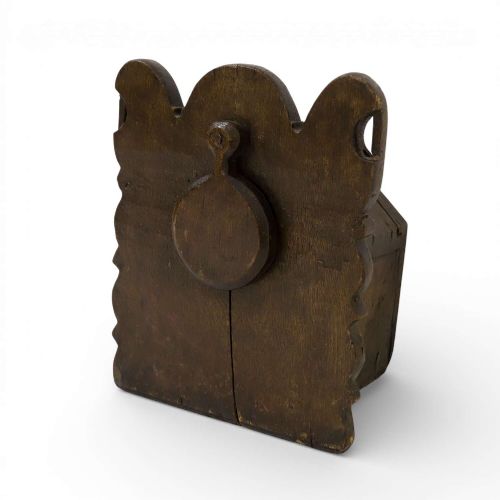
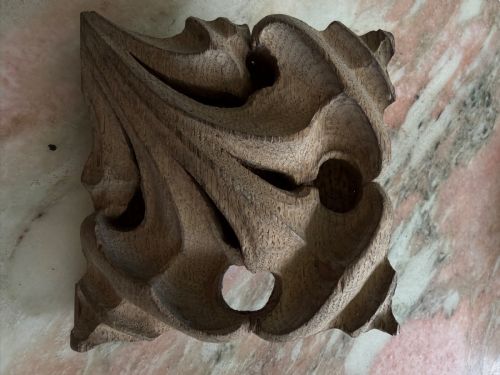
You also meet later interpretations, including nineteenth-century revivals, Jacobean styles, and rustic country pieces. These items appear as armchairs, dining tables, salt boxes, writing slopes, and architectural ceiling bosses.
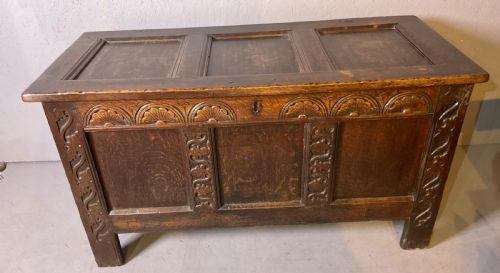
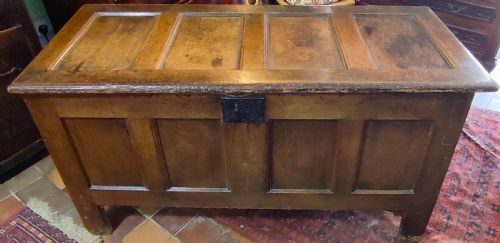
The most common pieces on this page are seventeenth-century oak coffers and panels, alongside later nineteenth-century seating and tables that adopt earlier styles.
Materials and construction methods
The core material across these items is solid oak, supplemented occasionally by fruitwood for inlay work and decorative contrast. Makers utilised traditional joinery methods such as mortise and tenon frames, pegged joints, and plank construction for tables, chests, and seating.
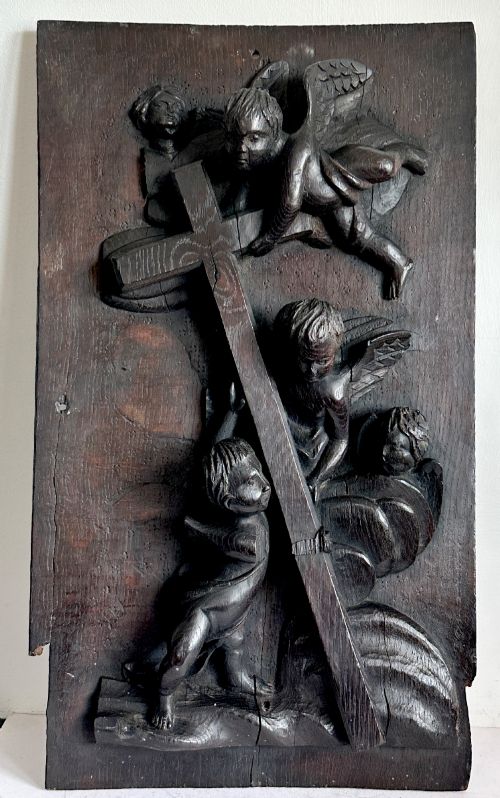
Surface details involve hand-carved motifs on panels, architectural fragments, and furniture fronts, sometimes combined with original iron hardware, brass fittings, and traces of historic red paint. Inlay techniques utilise contrasting timbers to create geometric patterns on coffers and four-poster beds.
Historic Oak Carving Retail Price Guide 2026
Typical asking prices for historic oak carving among the pieces listed under this phrase on Sellingantiques today, from the lower quarter to the upper quarter. They describe what is for sale here now, not the wider market.
Listings span the sixteenth to the twentieth centuries, featuring oak, fruitwood, iron, and brass across domestic furniture and architectural salvage.
Distinctions in quality and execution
The standard of a carved piece rests upon the depth, crispness, and confidence of the hand-carved detail. Early panels and architectural elements with sharp, expressive relief work stand apart from softer, more mechanical later copies.
Proportion, timber selection, and the integrity of the original construction define the upper tier of furniture. Pieces retaining their primary hardware, untouched surfaces, and period timber surfaces hold greater authenticity than heavily restored examples.
The Historic Oak Carving Glossary
- Wainscot armchair
- A heavy, stiff-backed wooden chair constructed with panelled backrests and solid arms, typical of the seventeenth century.
- Coffer
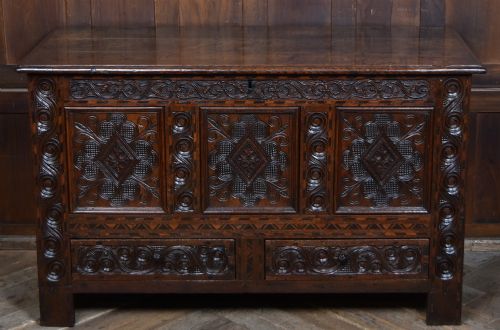
- A large wooden chest used for storage, often featuring carved panels and sturdy boarded construction.
- Court cupboard
- An enclosed side table or cupboard with stacked tiers, used in domestic interiors for displaying plate and storing household goods.
- Joint stool
- A sturdy wooden stool built with pegged mortise and tenon joints rather than turned legs alone.
- Ceiling boss
- A decorative projecting block of carved wood positioned at the intersection of ceiling ribs or beams.
- Turned armchair
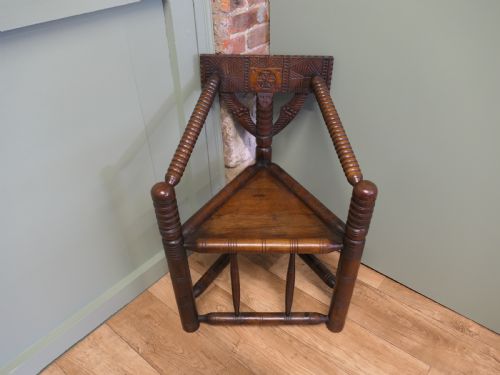
- A chair constructed primarily from turned wooden spindles and posts rather than flat planks.
Historic Oak Carving: Frequently Asked Questions
How do I care for historic oak furniture?
Keep wooden pieces away from direct heat sources and dramatic humidity shifts to prevent timber splitting or warping. Feed the surface occasionally with traditional wax polish rather than modern liquid sprays.
Dust the carving gently with a dry, soft brush to settle dirt out of deep recesses without abrading the patina.
Can I use an antique oak coffer as a coffee table?
Coffers function well as low centre tables in living spaces, provided the flat top lid is stable enough to hold items securely. Their sturdy board construction easily supports daily domestic use.
Ensure you protect the antique surface from liquid rings by using coasters on the wood.
How do I distinguish seventeenth-century oak from nineteenth-century revival pieces?
Original seventeenth-century pieces display genuine tool marks, hand-pegged joinery, and natural timber shrinkage over centuries. The grain develops a dark, dry surface patina that modern workshops struggle to replicate.
Revival items from the Victorian era often use machine-sawn timber elements and carry a more uniform finish.
Where were architectural carved panels originally placed?
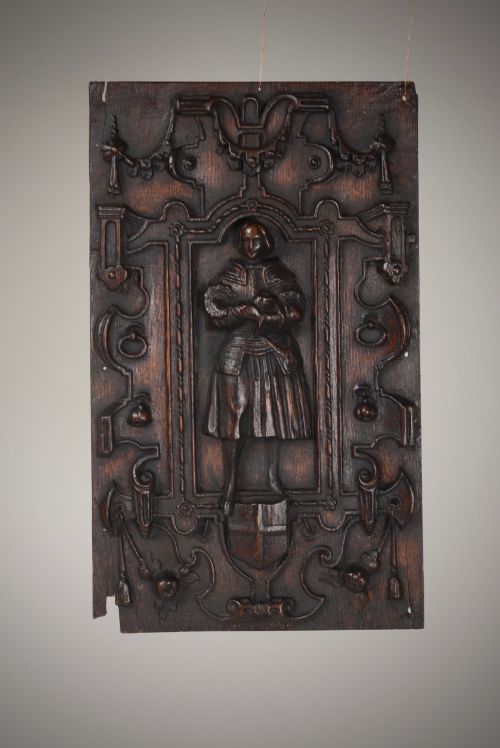
Carved wooden panels and bosses originated inside secular timber-framed buildings, churches, and grand domestic halls. They formed part of wall panelling schemes, friezes, or timber ceilings.
Today, collectors mount individual panels on walls as standalone works of art.