





Historic Oak Box
A historic oak box brings tactile centuries of domestic storage into a modern room, offering sturdy timber construction that outlasts generations.
Historic Oak Box
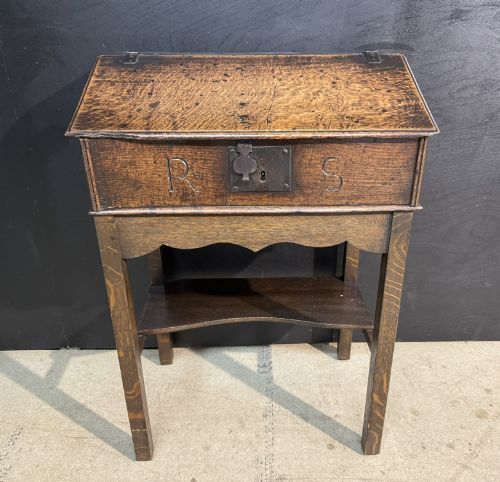
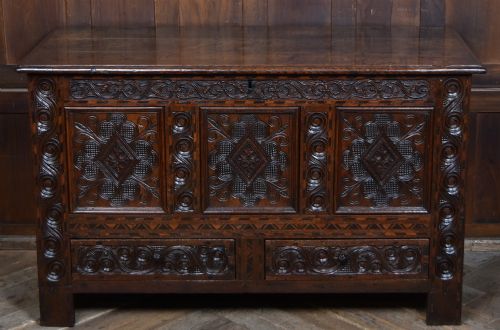
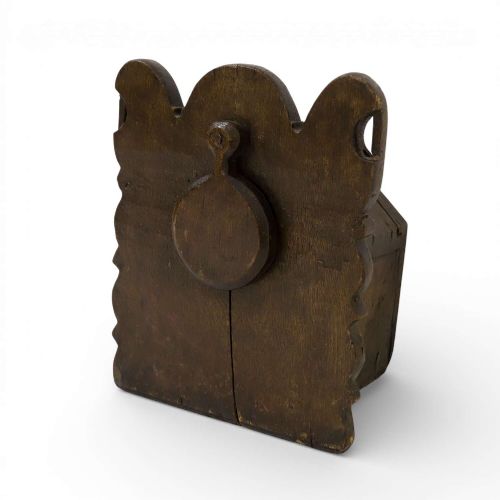
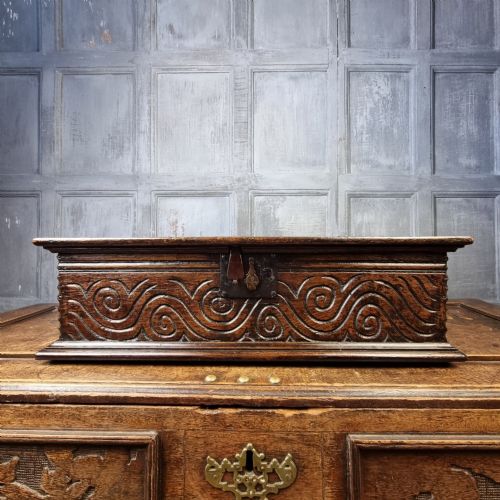
When searching for a historic oak box, collectors encounter various domestic containers ranging from small tabletop writing slopes and Bible boxes to substantial floor chests, coffers, and salt boxes. The selection spans centuries from the Elizabethan era through the 17th, 18th, and Georgian periods, showcasing regional British craftsmanship.
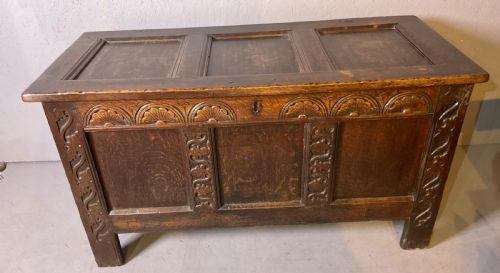
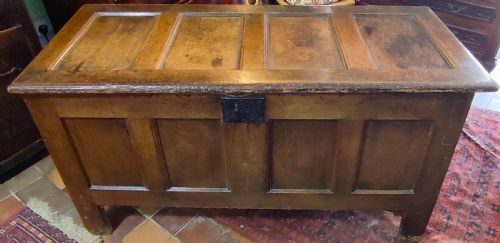
Smaller tabletop formats such as desk boxes, nib boxes, and Bible boxes frequently feature hinged lids, internal drawers, and carved friezes designed to secure personal papers or household ledgers. Larger storage pieces, including boarded coffers and joined Lancashire chests, provide robust utility with deep wells for textiles and valuables.
The aesthetic of a historic oak box reflects its period of origin, moving from stark 16th-century boarded construction to intricate Jacobean carving and smooth Early Georgian surfaces. Surviving examples often retain original iron hardware, hinges, and locks that ground the object firmly in its working past.
Assessing quality in early boxes
Quality in a historic oak box rests on the integrity of the timber, the depth and crispness of any hand carving, and the survival of original structural elements. Superior pieces maintain their original lids, hinges, and feet without extensive timber replacement or unsympathetic modern repairs.
The sophistication of the joinery distinguishes standard utility containers from finer domestic furnishings, where well-fitted internal drawers and cleanly rebated panels indicate higher workshop skill. Preservation of original surface patination and authentic iron hardware adds significant architectural and historical merit.
Historic Oak Box Retail Price Guide 2026
Typical asking prices for historic oak box among the pieces listed under this phrase on Sellingantiques today, from the lower quarter to the upper quarter. They describe what is for sale here now, not the wider market.
One exceptional desk box carries the lasting heritage of John Knox, turning a simple wooden container into a tangible link to Scottish history.
The Historic Oak Box Glossary
- Bible box
- A small tabletop container traditionally used for storing family scriptures, often fitted with a sloping lid and interior compartments for writing materials.
- Boarded coffer
- An early form of chest constructed from thick planks fastened together with wooden pegs and iron nails, representing the simplest form of heavy storage.
- Joined coffer
- A chest constructed using a framework of stiles and rails fitted with recessed panels, demonstrating more advanced cabinetmaking techniques than boarded examples.
- Salt box
- A wall-hanging domestic container featuring a sloping lid designed to keep kitchen salt dry and accessible near the hearth.
- Writing slope
- A portable desk box with an angled top designed to provide a comfortable surface for penning letters and keeping documents.
Historic Oak Box: Frequently Asked Questions
What were oak bible boxes used for?
These compact boxes served as secure storage for household Bibles and important family documents in homes before dedicated bookcases became common.
Their sloping lids often doubled as a slanted reading or writing rest when placed upon a table.
How can I tell an older coffer apart?
Earlier pieces from the 16th and 17th centuries typically rely on heavy boarded construction or simpler joined frames with hand-carved friezes. Later Georgian examples show more refined proportions and smoother timber surfaces.
Examining the underside, nail types, and hinge construction helps clarify the likely period of manufacture.
Where should I place a heavy oak chest?
These robust pieces suit hallways, living rooms, or bedrooms where their deep storage capacity handles blankets and linens effectively.
Keep them away from direct heat sources and radiators to prevent the solid timber from drying out and splitting over time.
Did these boxes always have locks?
Many surviving examples feature working iron locks and strap hinges because securing valuable documents, silver, or textiles was a primary function.
Keys are occasionally preserved, though many boxes now open via their original iron latches.