



Historic Lady Portrait
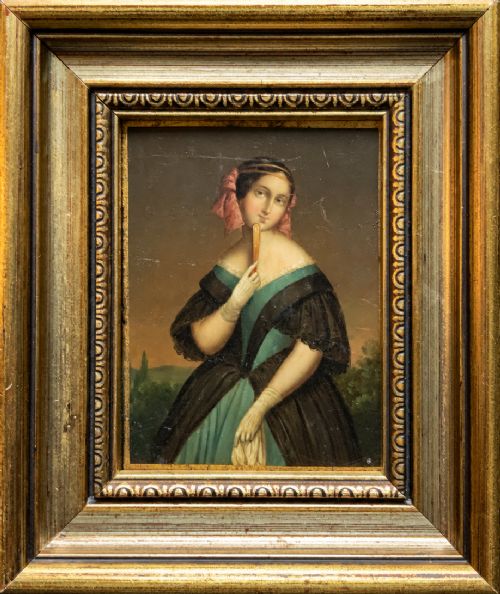
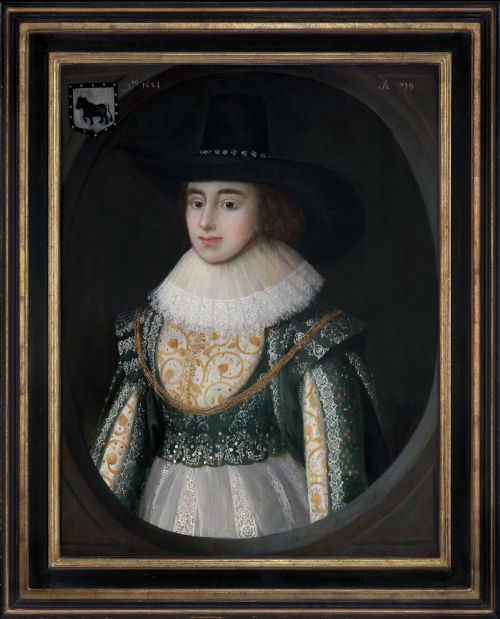
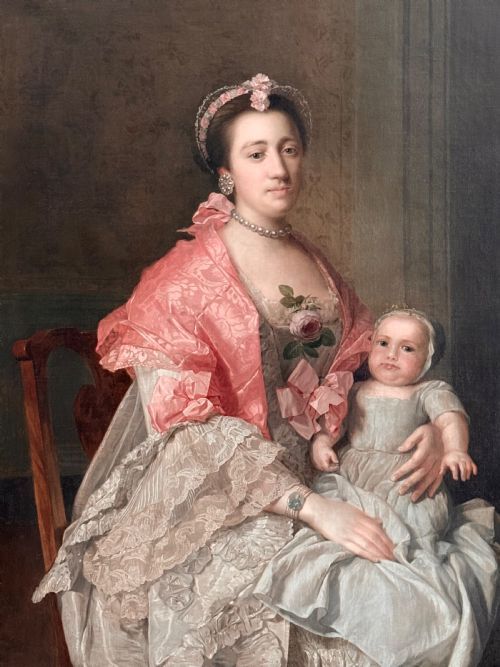
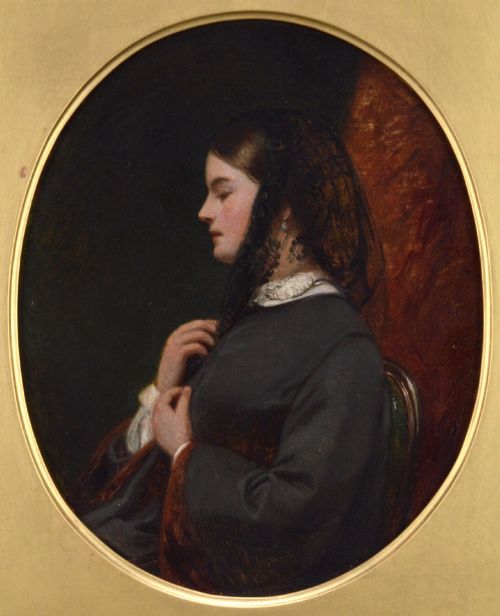
A historic lady portrait brings centuries of character into a room, capturing sitters from the seventeenth to the nineteenth century in oil and watercolour.
Historic Lady Portrait
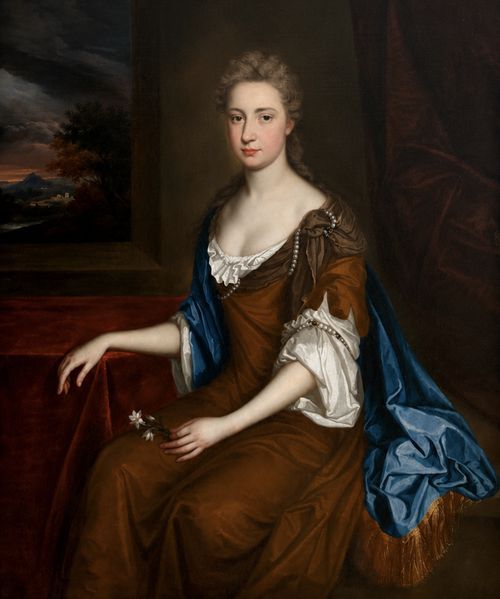
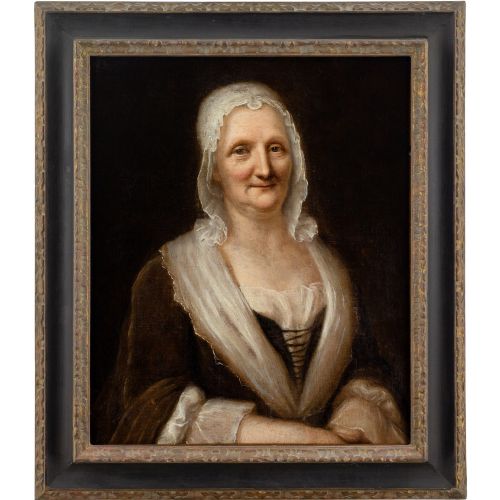
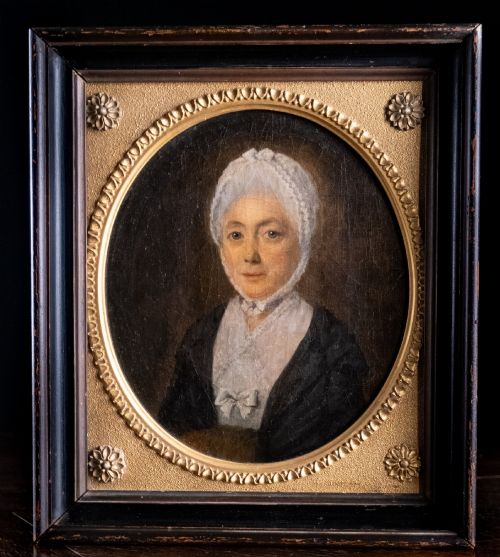
A historic lady portrait offers a direct encounter with subjects ranging from seventeenth-century nobility to nineteenth-century figures, executed in oil and watercolour. The examples found here span the Jacobean, Georgian, Regency, and Victorian periods, reflecting diverse social standings across British, French, and Norwegian schools.
Most pieces encountered on this page take the form of oil paintings on canvas or panel, alongside delicate miniature portraits and watercolours. These works preserve the likenesses of named individuals, such as Lady Elizabeth Wheeler and Maria Therese of Spain, as well as sitters recorded simply as members of the English or continental schools.
Materials and methods of execution
Artists relied primarily on oil paint applied to canvas or wood panels, building rich surfaces that survive across the centuries. Watercolour on paper served for more intimate works, particularly during the Regency and nineteenth-century periods.
Framing forms an integral part of many pieces, utilising giltwood and gold leaf to complement the painted compositions. Wooden panels and stretched canvases provide the primary structural support for the larger oil works.
Historic Lady Portrait Retail Price Guide 2026
Typical asking prices for historic lady portrait among the pieces listed under this phrase on Sellingantiques today, from the lower quarter to the upper quarter. They describe what is for sale here now, not the wider market.
Several portraits preserve the exact likenesses of notable historical figures, including a queen of France and members of titled families.
Distinctions in craftsmanship and provenance
Quality rests on the precision of the brushwork and the psychological depth captured in the sitter's expression. Works by documented hands or established studios display superior handling of fabric textures, lighting, and facial anatomy compared to anonymous provincial pieces.
The survival condition of the paint layer and its original support dictates much of the lasting value. Untouched surfaces on canvas or panel, housed within period giltwood frames, represent the highest standard of preservation.
Sir Allan Ramsay·Cornelius Johnson·Henri and Charles Beaubrun·John Greenhill·Nathaniel Hone·John Closterman·John Raphael Smith
The Historic Lady Portrait Glossary
- Oil on canvas
- Pigment bound in a drying oil and applied to a woven fabric support. This combination allowed artists to create subtle gradations of tone and rich surface textures.
- Giltwood
- Wood carved and coated with gold leaf or metallic powder. It provides the ornate, reflective borders typical of frames designed for formal portraiture.
- Miniature portrait
- A small-scale painting executed with fine detail. These intimate works often served as personal tokens or mementos.
- Panel painting
- An artwork created on a flat piece of wood rather than stretched fabric. This rigid support was favoured in earlier centuries before canvas became dominant.
- Watercolour
- A paint consisting of water-soluble pigments applied to paper. It produced translucent washes suited to delicate portrait studies.
Historic Lady Portrait: Frequently Asked Questions
How do I date a historic lady portrait?
Dating relies on the sitter's costume, hairstyle, and the framing style typical of specific eras such as the Jacobean or Victorian periods. Documentary evidence inscribed on the reverse or recorded provenance further refines the timeline.
Material analysis of the canvas, wood panel, and pigments also assists in placing the work within its correct century.
What is the difference between panel and canvas portraits?
Panel portraits utilise solid wood supports that were standard in the seventeenth century and earlier. Canvas supports became more common later, allowing for larger compositions and a different textural quality.
Both materials require stable environmental conditions to prevent warping or cracking of the paint layer.
Where should I hang an antique portrait?
Antique portraits suit principal rooms where consistent light and moderate humidity protect the delicate oil or watercolour surfaces. Avoid direct sunlight and sources of heat to preserve the pigments and giltwood frames.
Pairing them with period furniture helps integrate their traditional character into a contemporary interior.
Are all sitters identified by name?
Many sitters remain anonymous, recorded simply as members of regional schools or generic subjects like an elderly lady or a Cornish lady. When names survive, they often link the artwork to specific historical families and estates.
Archival records and signatures on the canvas provide the primary clues for named sitters.