

Historic Canvas Art
Historic canvas art brings centuries of portraiture and landscape directly to your walls through original oil paintings.
Historic Canvas Art
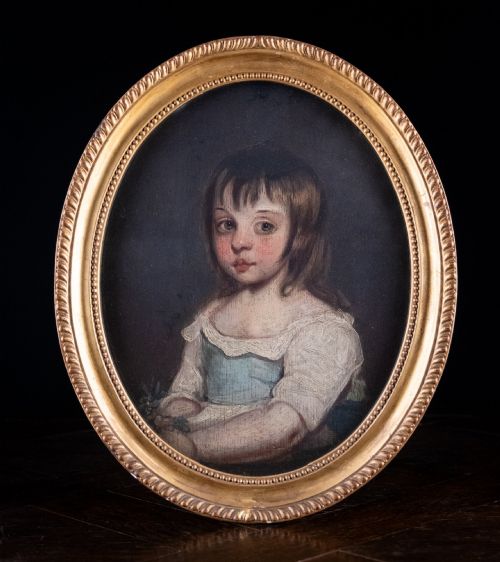
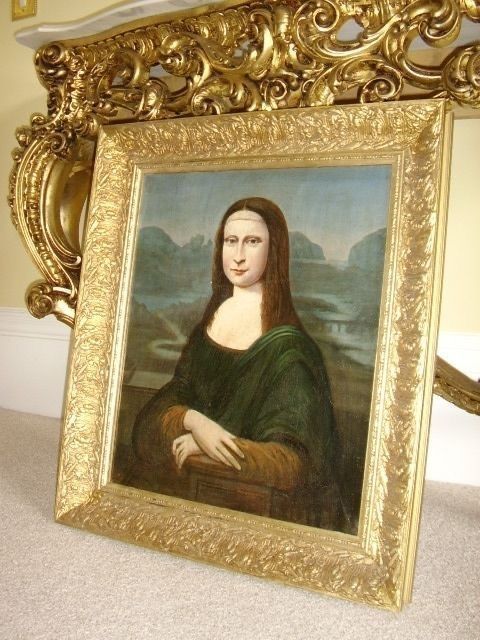
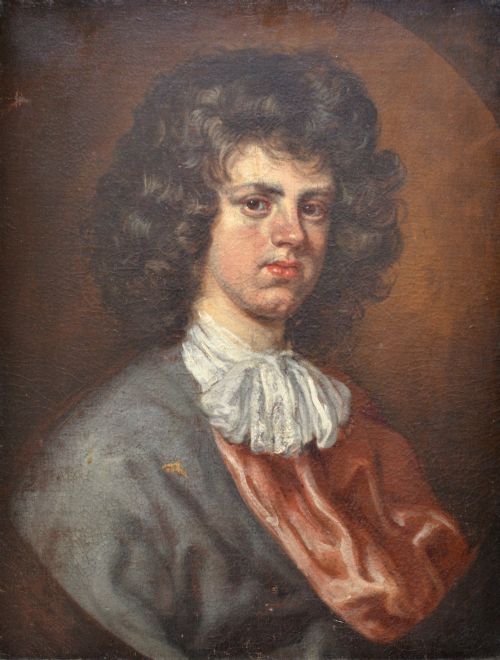
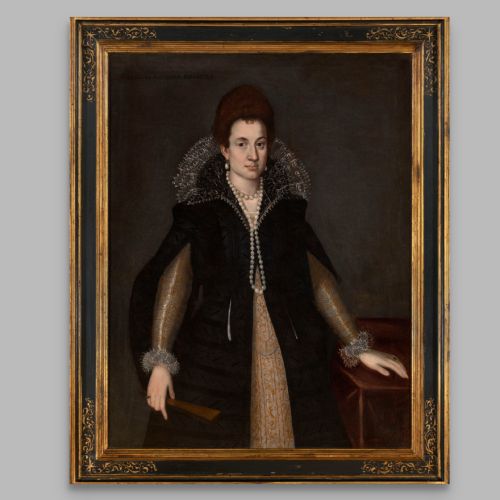
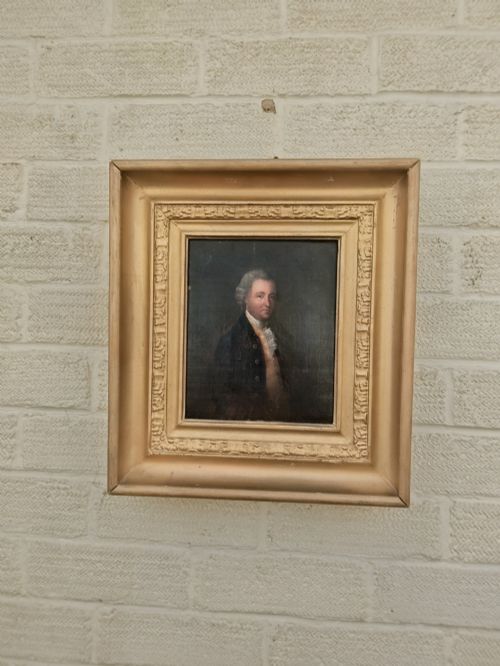
Historic canvas art comprises oil paintings executed on woven fabric supports across multiple centuries, ranging from seventeenth-century portraiture to twentieth-century views.
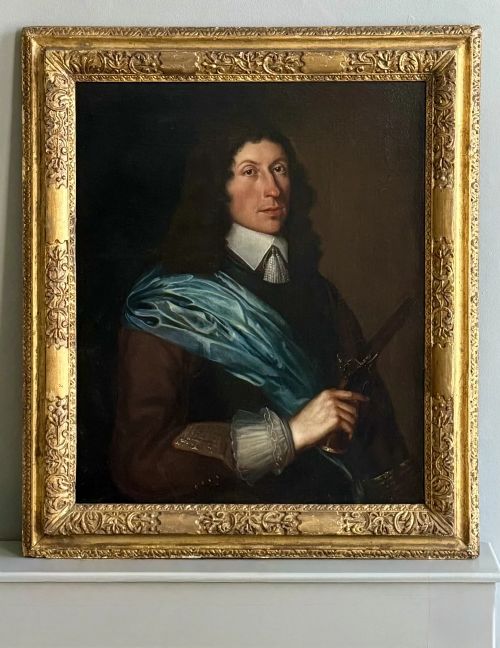
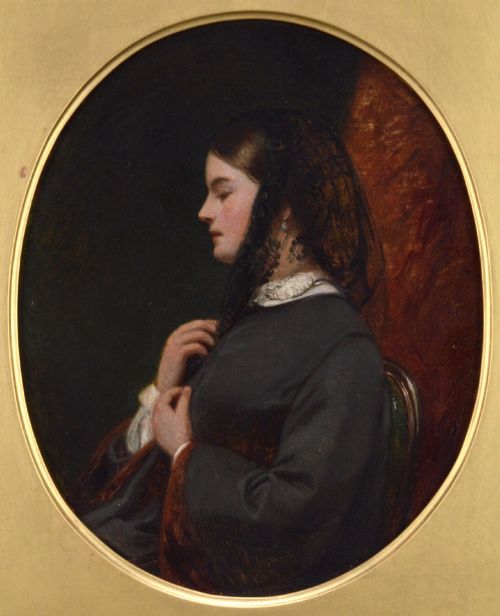
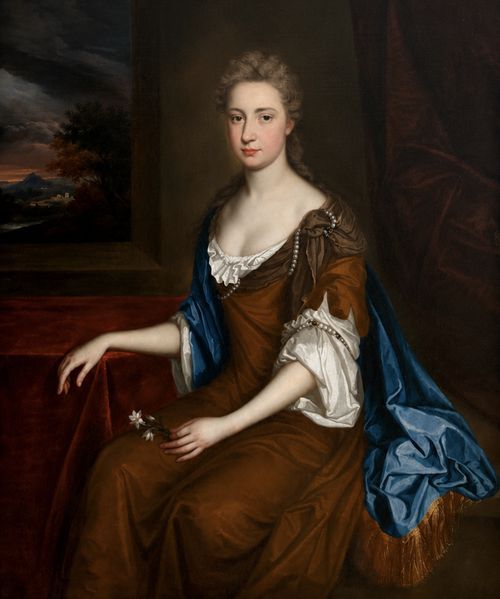
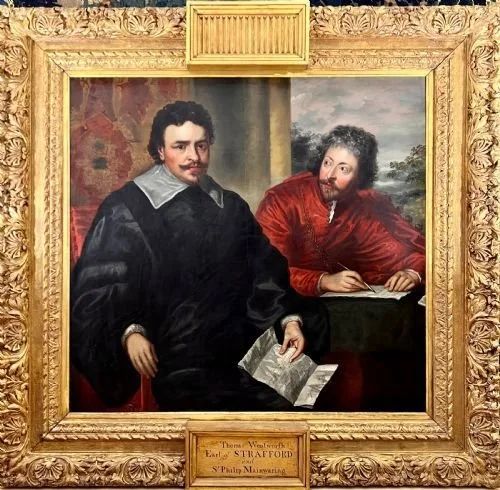
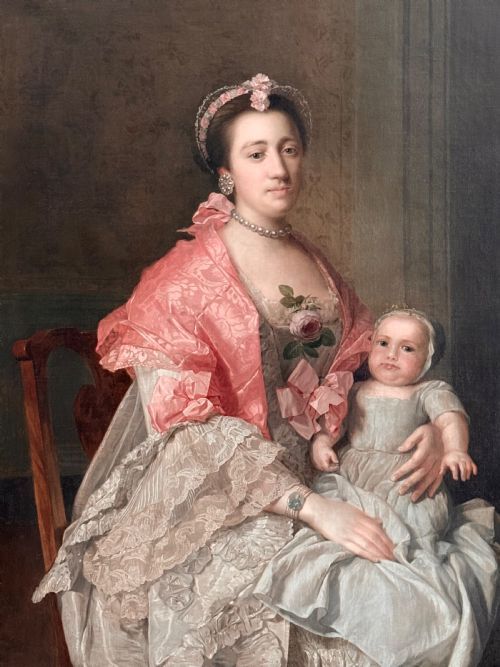
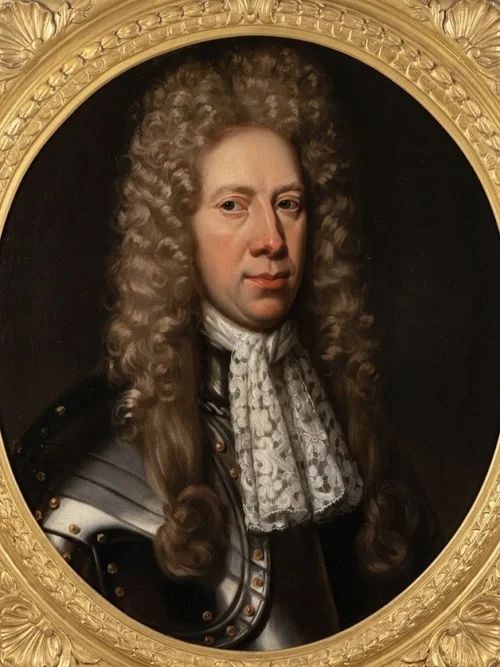
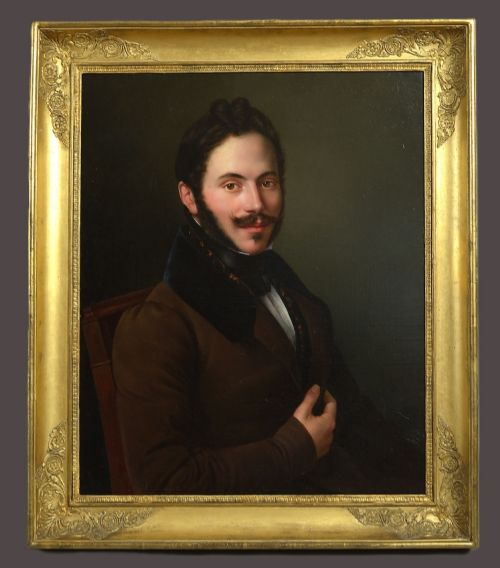
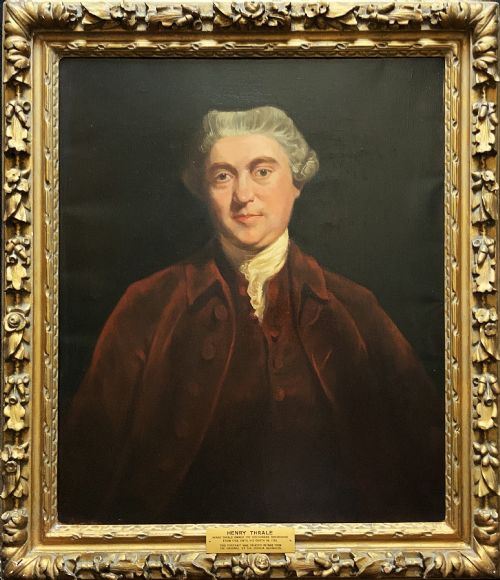
Buyers browsing this selection frequently encounter formal oil portraits of gentlemen, ladies, and military officers originating from seventeenth and eighteenth-century British and European schools.
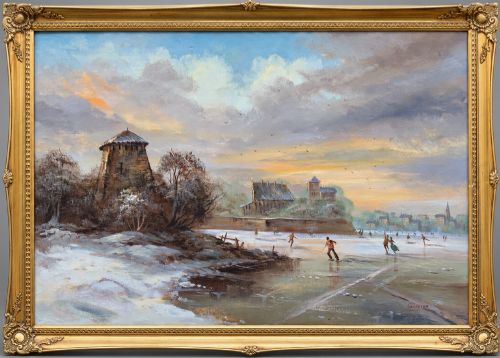
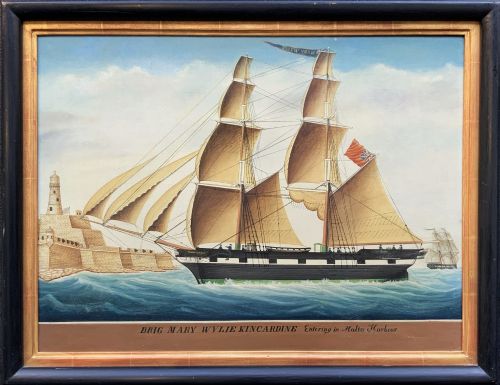
Landscape and maritime subjects also appear alongside these portraits, capturing coastal scenes, winter landscapes, and river views on traditional stretched canvas.
Materials and Construction
The foundation of these works relies on woven canvas stretched over wooden frames, prepared with grounds to receive oil paint.
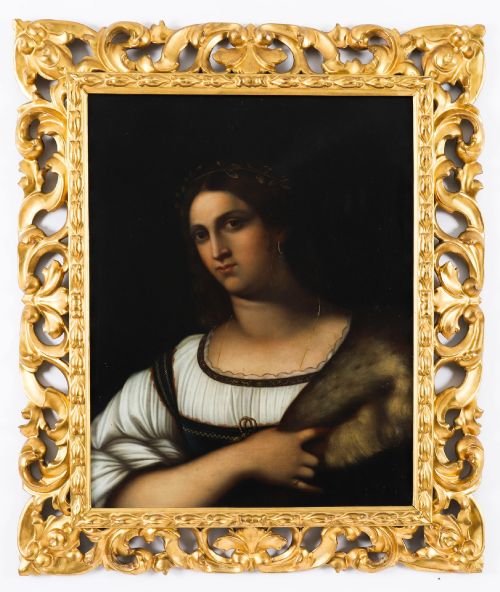
Artists applied layers of oil paint using traditional brushwork techniques, sometimes complemented by original or period-appropriate frames constructed from wood, giltwood, and gold leaf.
Historic Canvas Art Retail Price Guide 2026
Typical asking prices for historic canvas art among the pieces listed under this phrase on Sellingantiques today, from the lower quarter to the upper quarter. They describe what is for sale here now, not the wider market.
The listings span from the seventeenth century through the twentieth century, featuring oil paints on canvas alongside wood and giltwood frames.
Factors of Quality
Quality in these paintings depends upon the precision of brushwork, the psychological depth of portrait sitters, and the preservation of the original pigment layers over time.
The sophistication of the composition and the integrity of the canvas and wooden stretcher frame distinguish works by established regional schools from anonymous studio productions.
Sir William Beechey·Mary Beale·Edouard Pingret·Joseph Highmore
The Historic Canvas Art Glossary
- Oil on Canvas
- A painting technique where pigmented oil paint is applied to a prepared woven fabric support. This combination provides flexibility and rich colour depth.
- Giltwood
- Wood carved and coated with a thin layer of gold leaf or metallic powder. It is frequently utilised in historic picture frames.
- Dutch School
- A grouping of artists working in the Netherlands during specific historical periods, known for fine detail and mastery of light.
- Portraiture
- The representation of a specific human subject, capturing likeness, status, and personality through painted form.
Historic Canvas Art: Frequently Asked Questions
How do I hang a heavy canvas painting?
Heavy oil paintings require secure fixings attached directly into wall studs or appropriate masonry anchors to support the weight of the wood and canvas.
Ensure the hanging wire or brackets on the back of the frame align properly with your wall fixings to keep the piece level.
Should historic oil paintings be kept out of direct sunlight?
Direct sunlight can cause organic oil pigments to fade and accelerates the degradation of old canvas and wooden stretchers.
Position these artworks away from south-facing windows to preserve the integrity of the paint layers.
How do I identify the age of an oil painting?
Age is typically determined by examining the weave of the canvas, the composition of the wood stretcher, and the style of the brushwork.
Signatures, inscriptions, and historical dress depicted in portraits also offer reliable clues to the period of creation.
What is the difference between an original and a later copy?
An original painting represents a primary creation by the artist, whereas a copy or tribute piece reproduces a known masterwork from a specific period.
Both categories hold historical interest, though primary works often reflect direct observation rather than replication.