



Historic British Portrait Art
Historic british portrait art captures centuries of notable faces, offering a direct visual link to past lives through oil on canvas.
Historic British Portrait Art
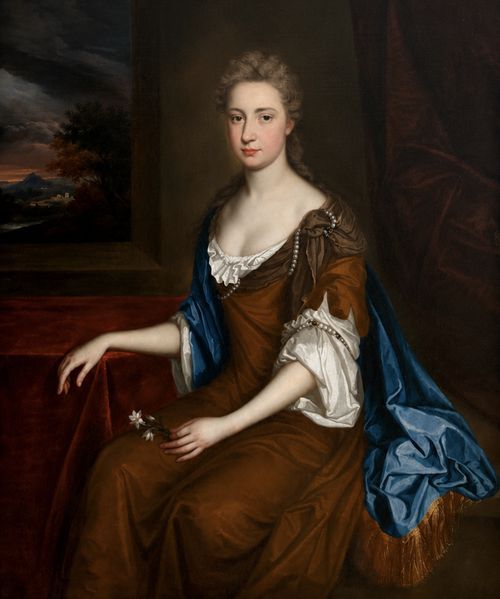
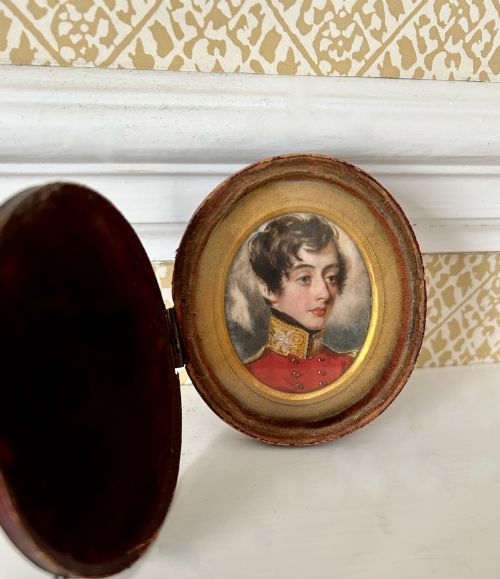
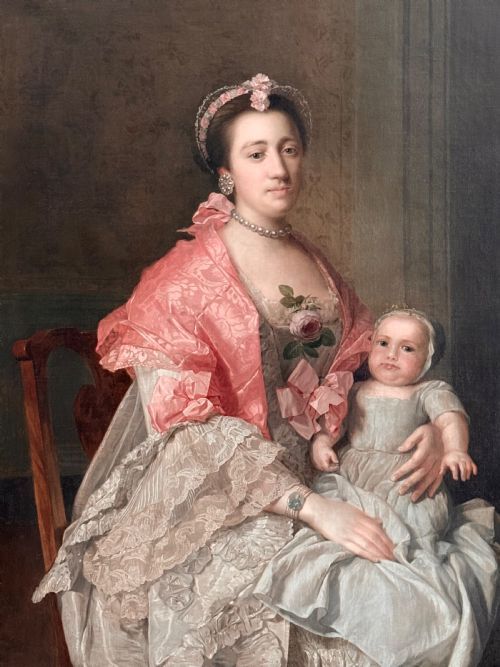
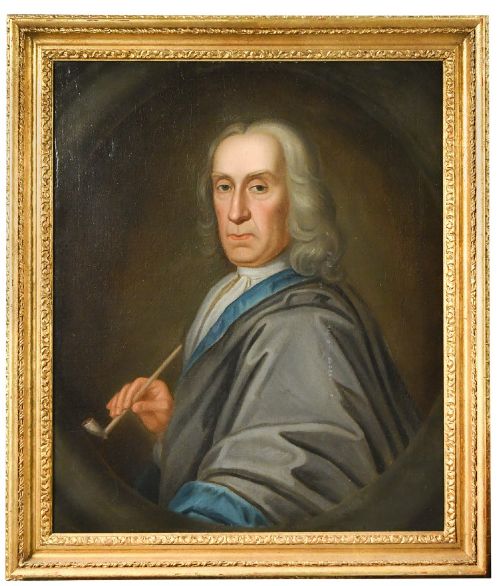
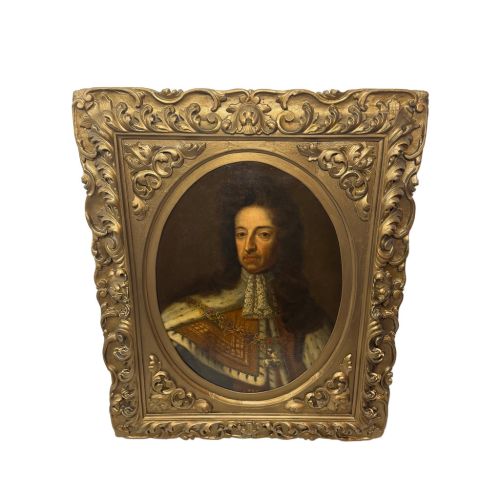
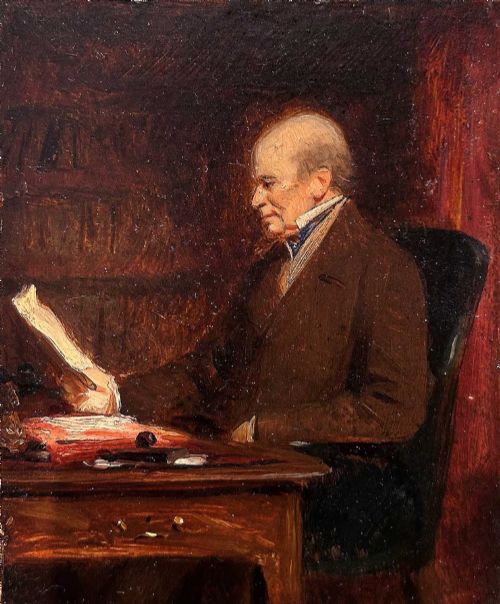
Historic british portrait art encompasses oil paintings on canvas depicting notable figures, gentlemen, ladies, and historical subjects from the seventeenth century onward. Buyers look for these works to bring character, heritage, and depth to a room through traditional British portraiture. The pieces on this page span Georgian, Regency, and Victorian periods, reflecting distinct eras of British painting tradition.
The subjects range from titled nobility and naval officers to lawyers, politicians, and private individuals. Works often emerge from specific schools or circles, such as seventeenth-century English portraiture or Georgian maritime art. These canvases preserve the likeness and status of historical figures through formal and intimate compositions alike.
What varies in quality
The preservation of the original paint surface and the authenticity of the period frame also influence the standing of a piece. Works retaining their untouched canvas and period giltwood framing represent the higher end of the range.
Historic British Portrait Art Retail Price Guide 2026
Typical asking prices for historic british portrait art among the pieces listed under this phrase on Sellingantiques today, from the lower quarter to the upper quarter. They describe what is for sale here now, not the wider market.
The selection includes paintings dated from the sixteenth century through the Victorian era.
Sir William Beechey·Stephen Pearce·John Greenhill·Joseph Heard·Richard Cosway·Henry William Pickersgill·William Robinson·Robert Byng·Rudolph Lehmann·Sir Peter Lely·Sir James Guthrie·John Bettes the Elder·George Francis Joseph·Henry Edridge·John Raphael Smith·Lemuel Francis Abbott
The Historic British Portrait Art Glossary
- Oil on Canvas
- A traditional painting medium where pigments suspended in oil are applied to a stretched cloth support. This technique allowed artists to achieve rich colour blending and lasting durability.
- Giltwood
- Wood that has been covered with a thin layer of gold leaf or gold paint. Frames made in this manner were designed to complement and elevate the status of the portrait within.
- Circle of
- A designation used when a painting is by an unidentified artist working closely alongside a master and influenced by their style. It indicates a high level of contemporary competency.
- Half-Length
- A portrait format showing the subject from the waist or hips up. This composition allowed artists to focus on the face and hands while providing contextual detail.
- British School
- A term applied to works produced by artists trained or working within Britain who shared common stylistic approaches. It groups regional and national talents across various centuries.
Historic British Portrait Art: Frequently Asked Questions
What periods do these portraits cover?
The collection spans from the sixteenth century through the seventeenth, eighteenth, and nineteenth centuries. Pieces originate from distinct eras including the Georgian, Regency, and Victorian periods.
Each period brings specific clothing styles, framing traditions, and painting techniques that help define the age of the sitter.
Who are the typical subjects depicted?
Subjects include nobility, naval officers, politicians, lawyers, and private individuals of note. Many portraits record specific historical figures, while others depict unidentified gentlemen and ladies.
These canvases capture the public roles and private identities of people who shaped British history.
How should I hang an oil portrait?
Display these works on sturdy walls away from direct sunlight and dramatic temperature fluctuations. Proper placement protects both the canvas and the original giltwood frame from environmental damage.
Ensure the mounting hardware is rated for the weight of the heavy wooden frames typical of this art.
What does attribution to a circle mean?
Attribution to a circle indicates that an unknown artist worked in the style of a prominent master during the same period. These painters absorbed the techniques and aesthetic of the named figure.
It places the artwork firmly within a recognised workshop tradition without claiming direct authorship.