



Historic British Painting
Historic british painting records centuries of portraiture, maritime scenes and landscapes through the hands of named makers and regional schools.
Historic British Painting
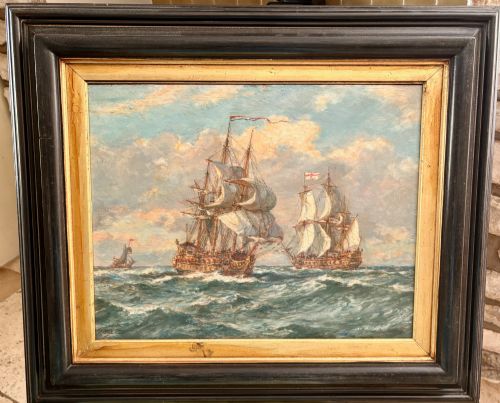
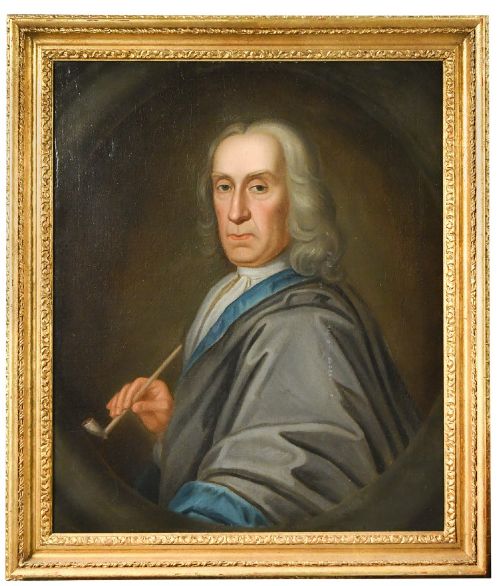
When you search for historic british painting, you encounter works spanning from the seventeenth century through to the mid twentieth century. The selection encompasses oil on canvas, watercolour on paper, and mixed media compositions representing portraits, maritime subjects, and topographical views.
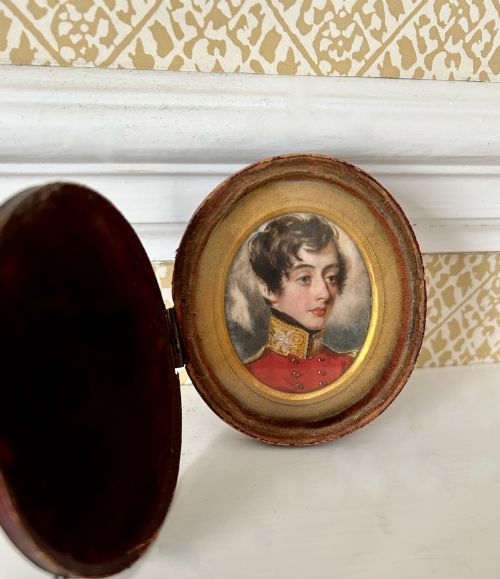
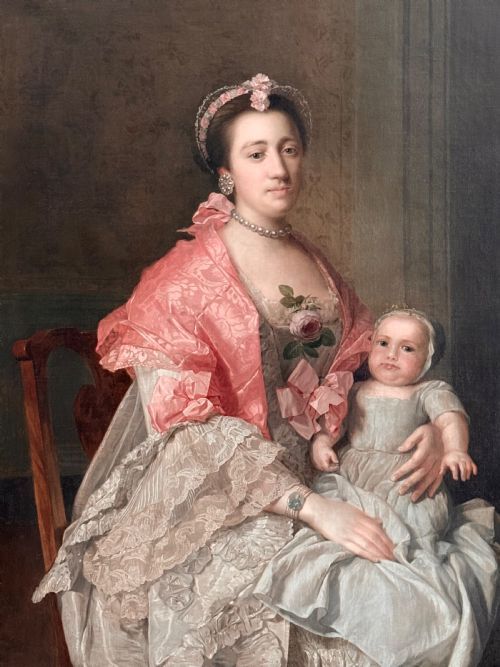
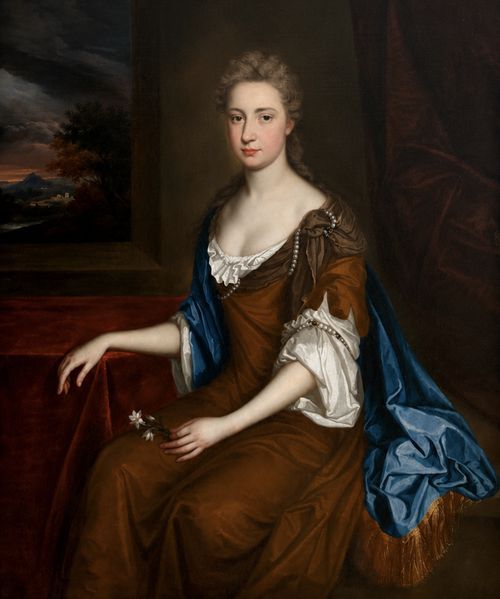
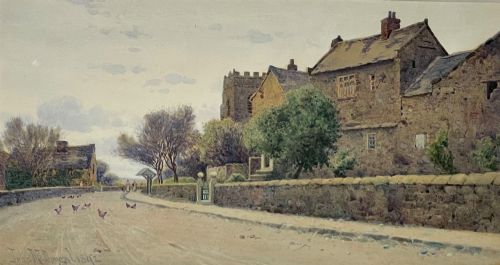
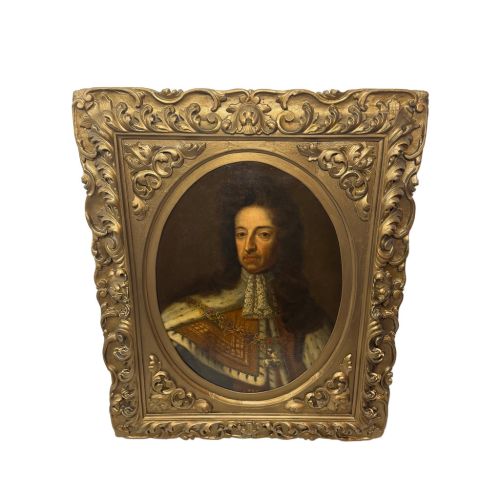
The pieces most frequently met on this page include nineteenth-century watercolours and eighteenth-century oil portraits. Works range from intimate portrait miniatures to expansive depictions of London landmarks and Yorkshire landscapes.
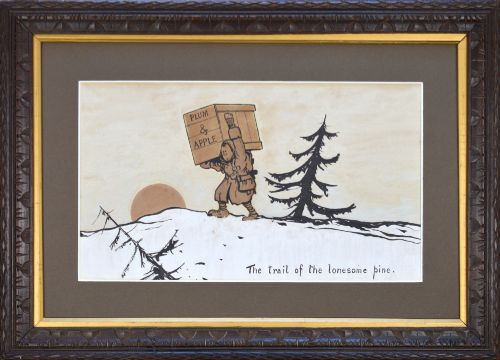
Makers represented span named artists, studio circles, and traditional British schools. The range extends from Baroque portraiture to British Impressionism and First World War illustration.
Materials and execution
Artists relied primarily on oil paint applied to prepared canvas or wood panels, alongside watercolours worked onto heavy paper stocks. Frames often incorporate wood and gold leaf to complement the pigment.
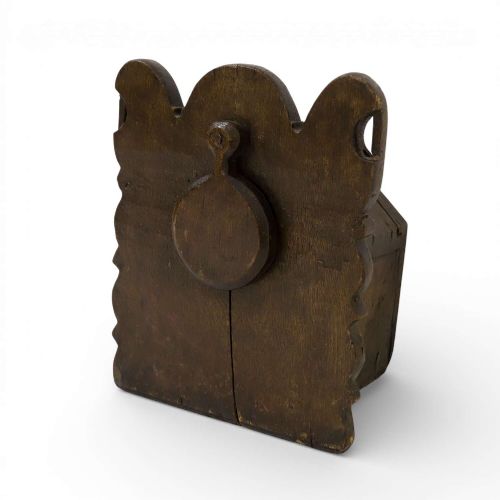
Techniques combine traditional layering of oil glazes for depth with fluid watercolour washes that capture light and atmosphere. Support materials like oak and original iron hardware appear on associated items such as painted salt boxes.
Historic British Painting Retail Price Guide 2026
Typical asking prices for historic british painting among the pieces listed under this phrase on Sellingantiques today, from the lower quarter to the upper quarter. They describe what is for sale here now, not the wider market.
Listings span periods from the 17th century through the 1950s, utilising canvas, paper, wood, and oil paint.
Assessing quality
Distinction across the range lies in the confidence of brushwork and the preservation of the original surface. Works by documented painters or established studio circles demonstrate superior handling of light, proportion, and physiological detail.
Condition of the pigment and the presence of original framing or backing materials further differentiate examples. The depth of historical documentation associated with a subject or sitter also elevates a piece.
Sir Allan Ramsay·Bruce Bairnsfather·John McDougal·Bernard Gribble·Stephen Pearce·John Greenhill·Charles William Wyllie·John Sanderson Wells·Percy Robertson·John Augustus Atkinson·Frank Moss Bennett·Rowland Henry Hill·A.A. Finch·George Chinnery·Henry Barlow Carter·David Small·Joseph Heard·Winston Churchill·James Canter·Fred Stead·William Greaves·Noel Harry Leaver·Beatrice Parsons·Richard Cosway·Tom Dudley
The Historic British Painting Glossary
- Oil on canvas
- Pigment suspended in a drying oil medium applied to a woven fabric stretched across a wooden frame. This surface allowed artists to build rich textures and deep tonal gradations.
- Watercolour
- A paint consisting of colourants suspended in a water-soluble vehicle, typically applied to paper. It yields translucent washes that capture fleeting atmospheric effects.
- Baroque
- An artistic style prevalent in the seventeenth and early eighteenth centuries characterised by dynamic movement and dramatic contrasts of light and shadow. It produces grand, theatrical portraiture.
- Portrait miniature
- A small, highly detailed painting executed on vellum, card, or ivory, often housed in a protective case. These intimate items served as personal mementoes.
- British Impressionism
- A late nineteenth and early twentieth-century movement focused on capturing everyday scenes and natural light through rapid brushstrokes. Artists moved outdoors to paint en plein air.
Historic British Painting: Frequently Asked Questions
What subjects appear most often in these paintings?
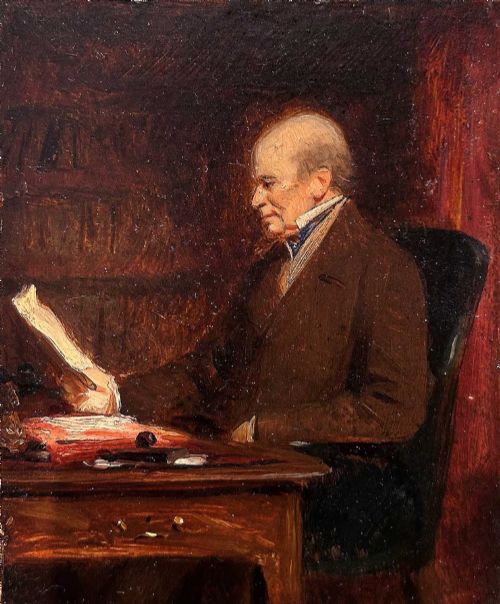
Portraits of officers, ladies, and gentlemen dominate the earlier periods alongside maritime vessels and coastal views. Later works turn towards townscapes, architectural studies, and rural countryside scenes.
Topographical watercolours of London and Yorkshire feature prominently among the landscape subjects.
How do I care for antique watercolours?
Watercolours require protection from direct sunlight to prevent the fading of fugitive pigments on paper. Framing should use acid-free mounts and UV-filtered glass.
Keep works away from damp environments to avoid foxing spots on the paper surface.
What distinguishes an oil painting from a watercolour?
Oil paintings use thick pigments on canvas or wood, offering rich textures and deep, buildable tones. Watercolours utilise transparent pigments on paper, relying on the white of the sheet to reflect light through the wash.
Oils generally require sturdy wooden stretchers, whereas watercolours need glazing for protection.
How can I tell the period of a British portrait?
Clothing, hairstyles, and framing styles offer the clearest chronological markers for portraiture. Seventeenth and eighteenth-century works display specific lace collars, military uniforms, and powdered wigs unique to their decades.
Artist signatures and biographical dates recorded on the frame or reverse provide further confirmation.