

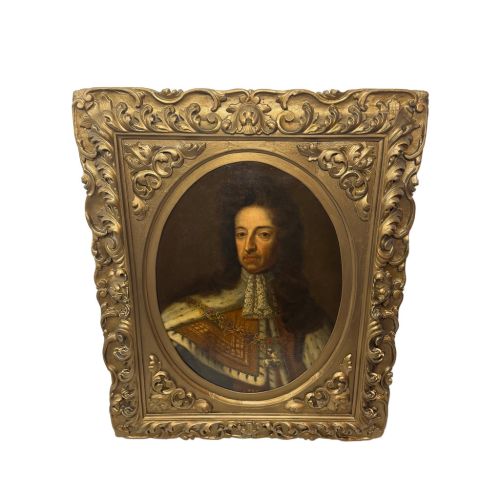


Historic British Artwork
Historic british artwork brings centuries of island life into your rooms through oil paintings, delicate watercolours and crisp ink drawings.
Historic British Artwork
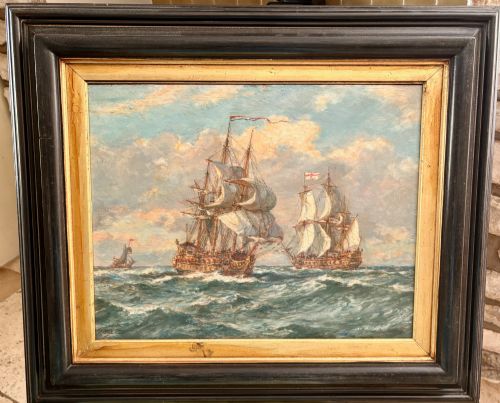
When you search for historic british artwork, you enter a field populated chiefly by oil paintings and watercolours spanning from the seventeenth century through to the twentieth century. These works capture the changing face of the nation, from formal portraiture and naval engagements to quiet country villages and London street scenes.
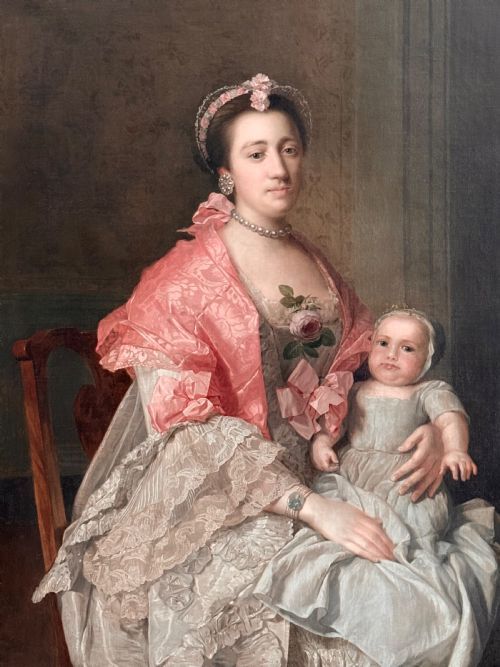
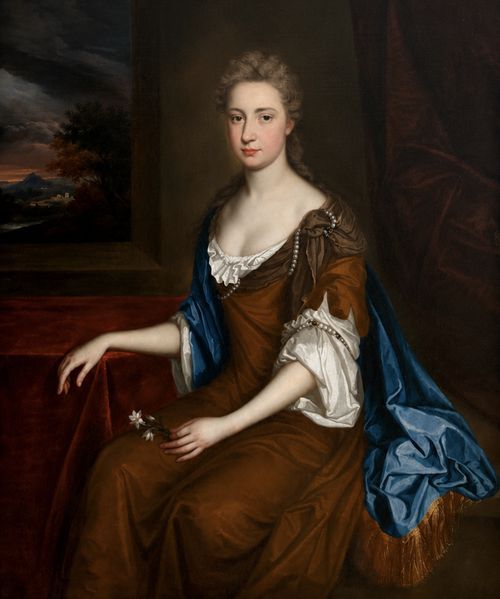
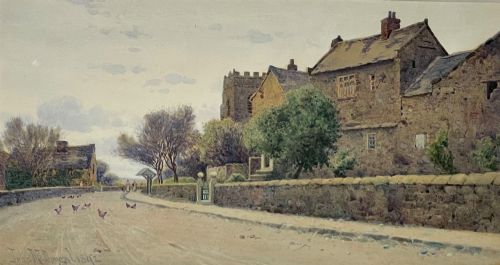
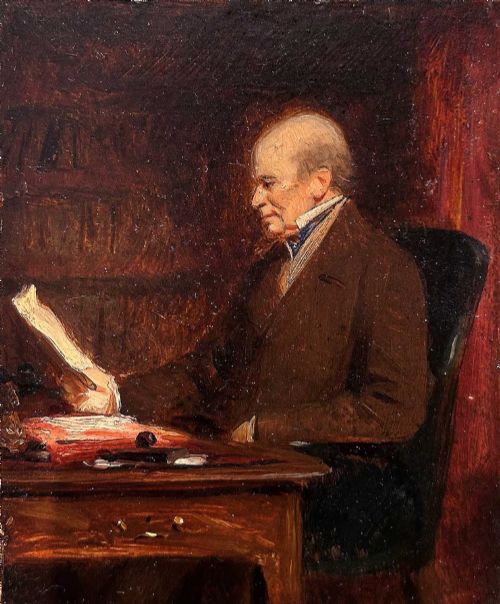
The most common examples encountered on this page are nineteenth-century watercolours and oil paintings, often depicting landscapes, coastal views or architectural studies. Works from the eighteenth and seventeenth centuries tend towards portraiture, preserving the likenesses of landed families and historical figures with remarkable fidelity.
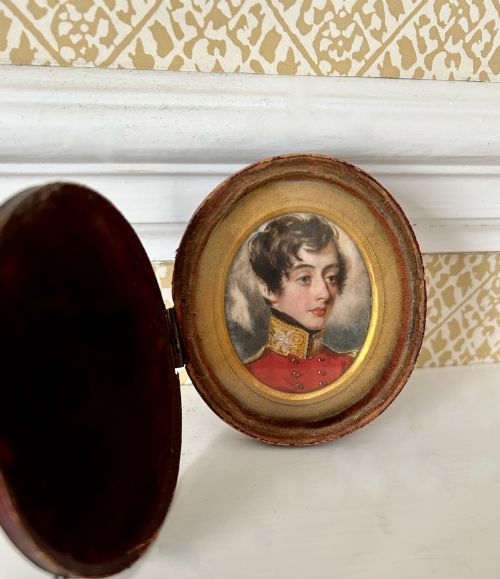
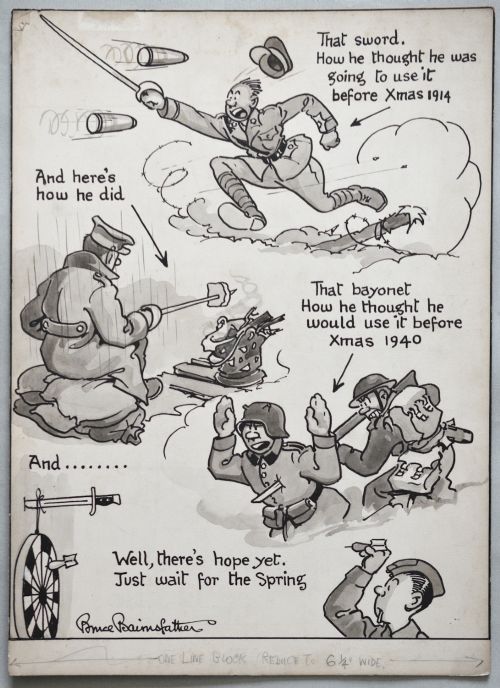
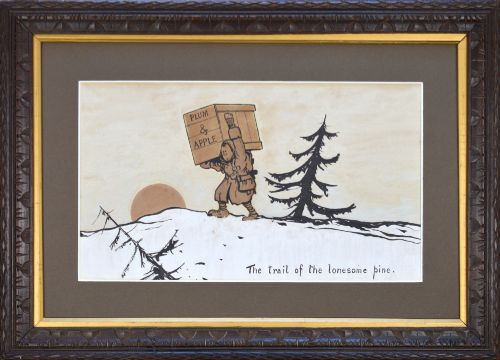
Beyond traditional canvases and paper, the selection includes portrait miniatures and satirical illustrations that document social habits and military campaigns. Each piece functions as a visual record of British history, shaped by the distinct aesthetic concerns of Georgian, Victorian, Edwardian and early modern artists.
Materials and Technique
The physical backbone of these works relies on traditional supports, with oil paint applied to stretched canvas or wood panels, and watercolours or inks laid onto prepared paper. Pigments were often mixed by hand in earlier centuries, lending an organic depth to the blues and earthy tones seen in seventeenth and eighteenth-century portraits.
Watercolour artists utilised washes of varying transparency to build atmospheric light in landscape and architectural views, while ink drawings depended on swift, confident line work to capture movement and character. Oil painters built their compositions through successive layers, using glazes to achieve rich textures in fabric, water and foliage.
Historic British Artwork Retail Price Guide 2026
Typical asking prices for historic british artwork among the pieces listed under this phrase on Sellingantiques today, from the lower quarter to the upper quarter. They describe what is for sale here now, not the wider market.
Listings feature paper, canvas and wood as primary supports, painted in oil, watercolour and ink across multiple centuries.
The Measure of Quality
Quality in these works rests upon the surety of the hand and the structural integrity of the composition rather than sheer age or size. A well-executed watercolour demonstrates control over pigment dispersion and paper absorbency, creating light and depth without relying on heavy overworking.
In oil paintings, the standard is set by anatomical accuracy, spatial depth and the preservation of the original pigment surface free from heavy restoration. Superior works capture a convincing sense of atmosphere and personality, whereas lesser examples often lapse into stiff formulas or mechanical repetition.
Sir Allan Ramsay·Bruce Bairnsfather·John McDougal·Bernard Gribble·John Greenhill·Charles William Wyllie·John Sanderson Wells·Percy Robertson·John Augustus Atkinson·Frank Moss Bennett·Rowland Henry Hill·George Chinnery·Henry Barlow Carter·Thomas Rowlandson·Joseph Heard·Henry William Pickersgill·Tom Dudley·J.D. Walker·Owen Bowen·Fred Stead·William Robinson·Robert Thomas Buttery
The Historic British Artwork Glossary
- Portrait miniature
- A small, highly detailed painting on ivory, vellum or card, typically produced as a personal keepsake during the eighteenth and nineteenth centuries.
- Canvas
- A heavy woven fabric stretched across a wooden frame to serve as a durable support for oil painting.
- Provenance
- The documented history of ownership that traces a piece from its creation to the present day.
- Wash
- A translucent layer of diluted watercolour or ink spread evenly across paper to create skies, water or shadows.
- Genre painting
- Artwork depicting scenes from everyday life, ordinary people, and domestic or public interiors rather than grand historical or mythological subjects.
Historic British Artwork: Frequently Asked Questions
How do I date an old British watercolour?
Dating relies heavily on the type of paper used, the watermark if visible, and the framing style alongside the artist's active period.
Changes in pigment chemistry also offer clues, as synthetic colours largely replaced natural minerals during the nineteenth century.
What is the best way to display oil paintings?
Oil paintings require stable indoor humidity and should hang away from direct sunlight and strong heat sources to prevent cracking.
Ensure the wall fixings match the weight of the heavy wooden frames typical of these historic pieces.
Are portrait miniatures genuine art or keepsakes?
Portrait miniatures were treated as serious artistic commissions, often painted by accomplished professionals using minute brushstrokes on delicate surfaces.
They served as intimate tokens of affection and status among families before the widespread adoption of photography.
How do I distinguish a sketch from a finished painting?
A study or sketch often shows visible underdrawing, energetic brushwork and notes on colour intended for the artist's own reference.
Finished works present a resolved surface with blended edges and complete tonal layers ready for public exhibition.