



Hindu Deity Sculpture
These Hindu deity sculpture works bring sacred forms and centuries of craftsmanship into your collection through bronze, stone, and hardwood.
Hindu Deity Sculpture
When you search for a hindu deity sculpture, you encounter sacred figures rendered in bronze, copper alloy, hardwood, and stone originating from India, Java, and Bali. These pieces range from substantial architectural reliefs to freestanding statues depicting major figures such as Shiva, Vishnu, Parvati, and Ganesha.
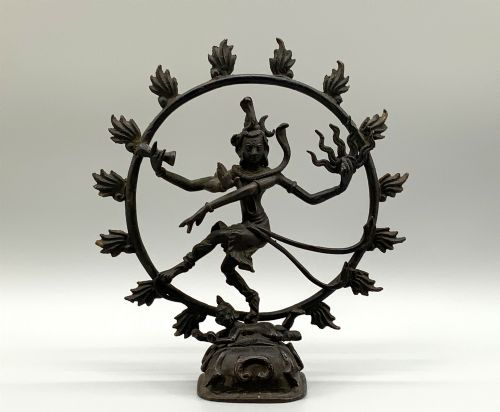
You are most likely to meet nineteenth-century Indian bronzes and hardwood carvings on this page, alongside earlier Javanese and South Indian examples. The forms vary from the dynamic posture of Shiva Nataraja to serene portrayals of deities with their consorts and mounts.
Materials and methods
Metal sculptures utilise the lost-wax casting technique in bronze, copper alloy, and gilt bronze, occasionally enhanced with gold leaf and turquoise inlay. This method allows artisans to capture intricate details in divine garments, jewellery, and traditional iconography.
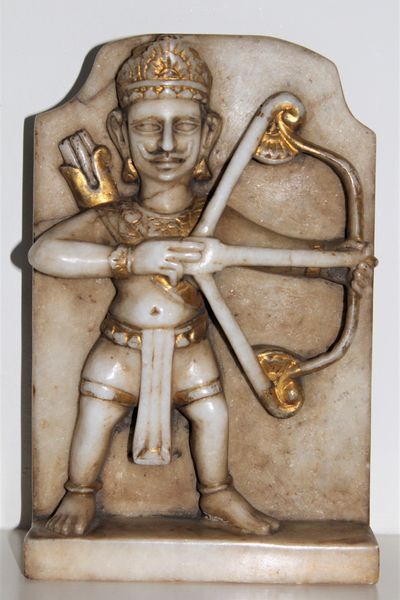
Carved pieces rely on hardwoods, sandalwood, sandstone, marble, and alabaster shaped with chisels and gouges. Relief carvings and architectural elements display deep incision work, creating layered figures that project from the background matrix.
Materials recorded across the selection include bronze, copper alloy, gilt bronze, gold leaf, turquoise, hardwood, sandstone, marble, and alabaster.
Judging quality in sculpture
The choice of material and the complexity of the composition also determine distinction. Works combining multiple metals, traces of original gilding, or deeply undercut hardwood figures demonstrate greater artisan capability than simpler, flat-planed examples.
The Hindu Deity Sculpture Glossary
- Lost-wax casting
- A metalworking process where a molten metal is poured into a mould that has been created by means of a wax model. Once the mould is made, the wax is melted and drained away.
- Copper alloy
- A metal mixture containing copper combined with other elements such as tin or zinc. This material forms the base for numerous early statues.
- Relief carving
- A sculptural technique where figures project from a flat background surface. Architectural examples are often hewn directly from sandstone or marble.
- Iconography
- The traditional or conventional images and symbols associated with a subject and depicted in art. In these pieces, specific hand gestures and attributes identify each deity.
Hindu Deity Sculpture: Frequently Asked Questions
How do I display these sculptures?
Place statues on stable, level surfaces away from direct sunlight and fluctuating humidity to protect metal patinas and natural woods. Ensure stone and marble carvings rest on furniture capable of supporting their considerable weight.
Allow adequate clearance around freestanding figures so the profile and rear details remain visible from multiple angles within the room.
What materials are common?
Bronzes, copper alloys, and various hardwoods form the majority of the available pieces, supplemented by stone, marble, and alabaster. Some metal examples incorporate gold leaf and turquoise.
Regional preferences dictate the medium, with Indian works frequently cast in metal and Javanese or Balinese pieces often carved in dense timber.
Are these pieces cleaned?
Most examples retain their historic patinas and accumulated surface dust acquired over decades or centuries of existence. Gentle dusting with a dry, soft brush is generally sufficient for maintenance.
Harsh chemical polishes must be avoided, as they strip away the aged surfaces that collectors value.