


High Seating
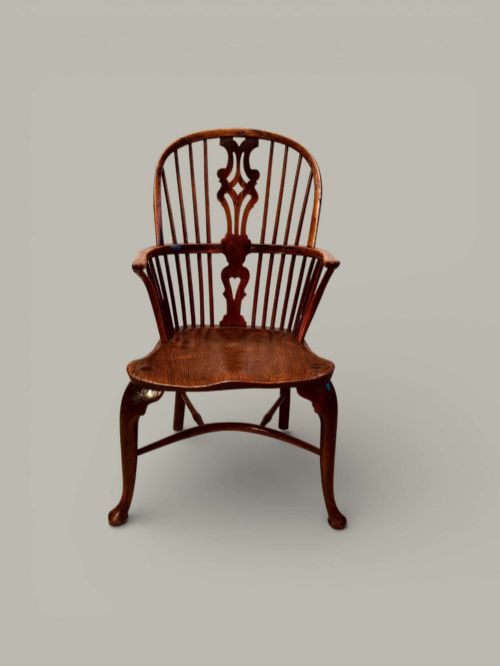
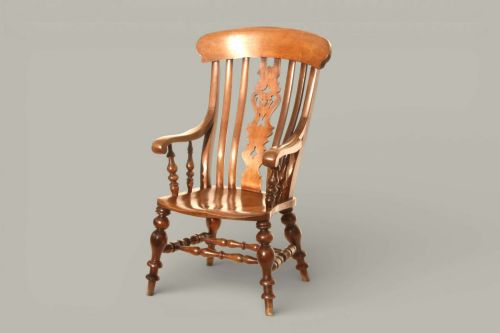
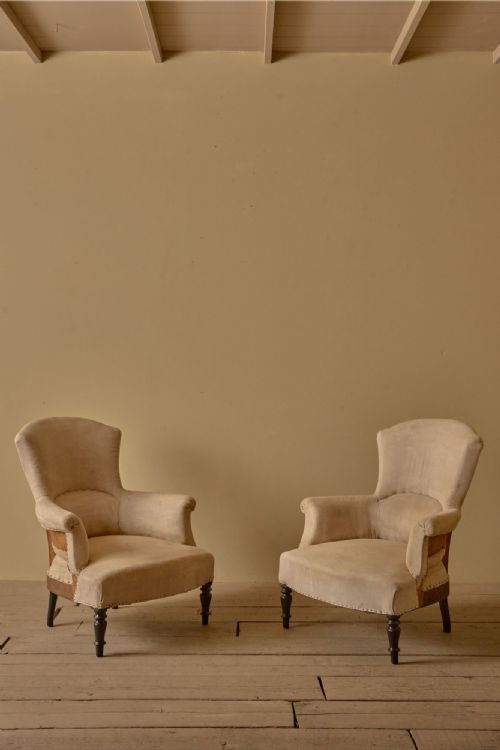
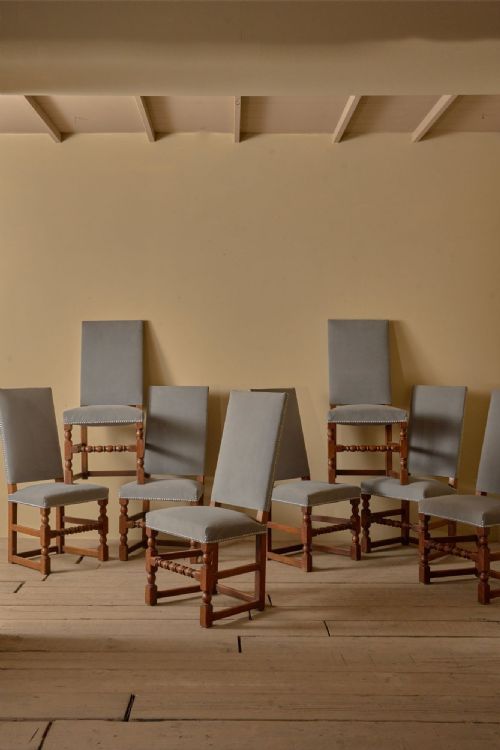
High seating encompasses elevated chairs, settles, and bar stools from periods spanning the seventeenth to the twentieth centuries, prized for commanding presence and upright posture.
High Seating
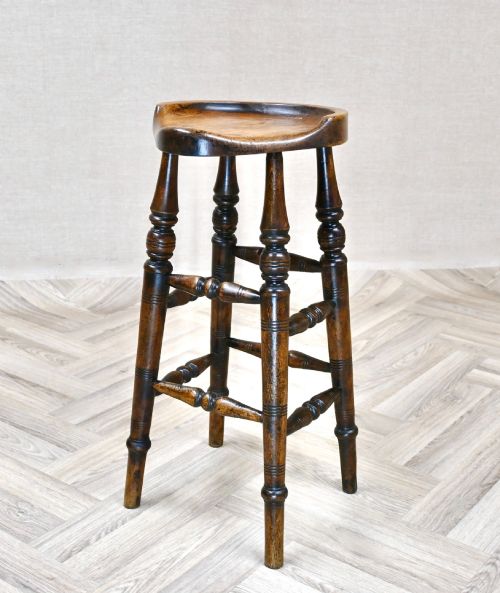
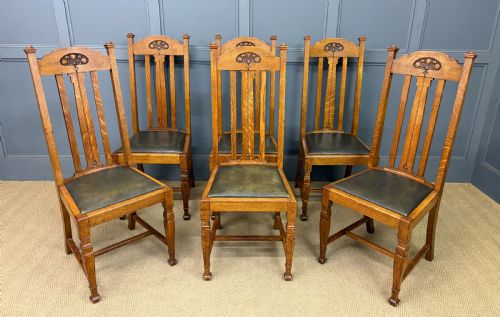
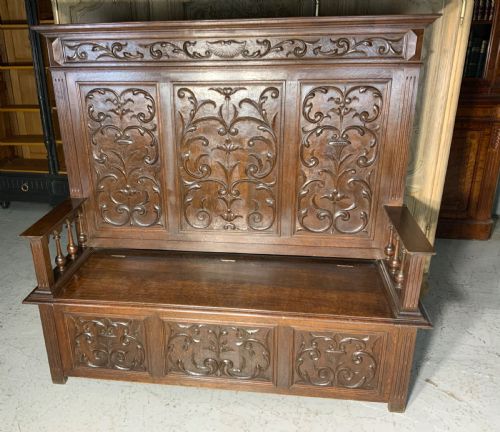
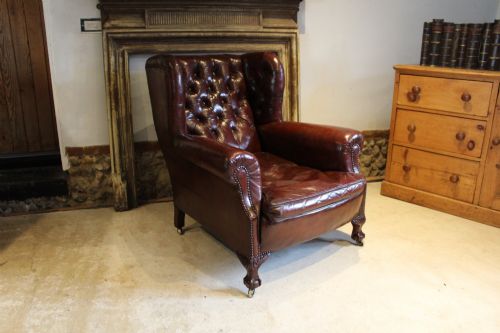
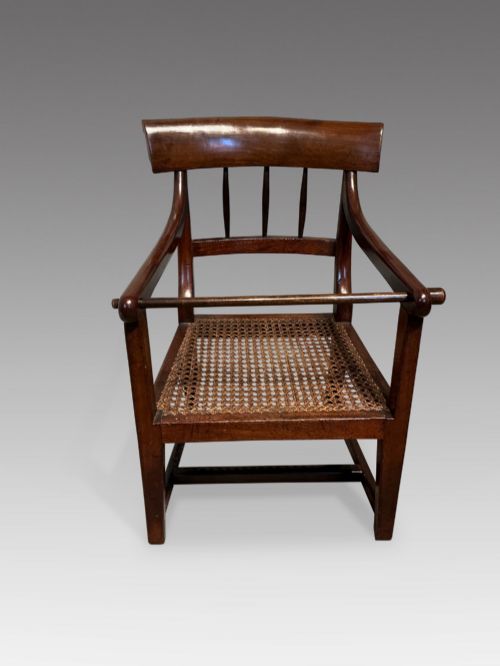
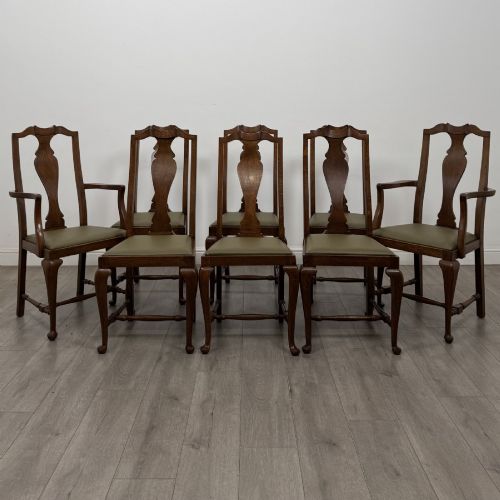
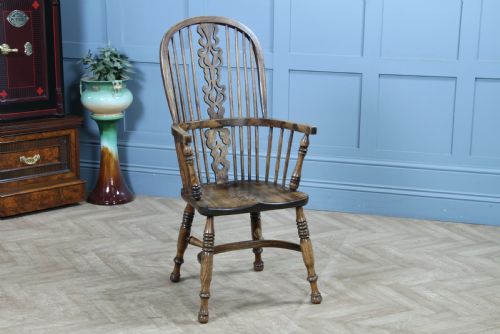
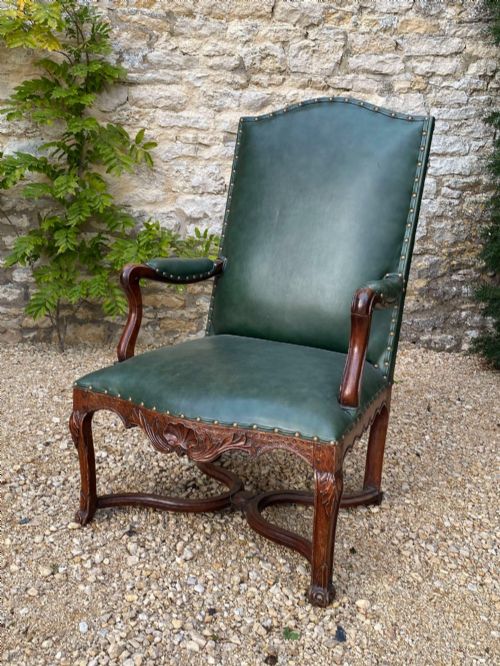
High seating encompasses a diverse array of elevated forms, including high back dining chairs, tall library armchairs, settles, bar stools, and church pews designed to lift the sitter.
The selection ranges from eighteenth century oak country settles and Regency flame mahogany dining chairs to Victorian carved oak hall benches and industrial bar stools with cast iron seats.
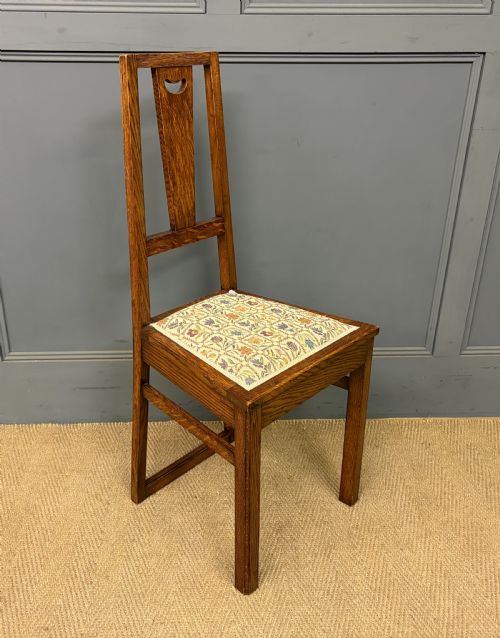
Buyers seeking high seating most frequently encounter nineteenth century and Edwardian oak, mahogany, and walnut examples influenced by Jacobean, Arts and Crafts, and Gothic revival styles.
How high seating was made
Cabinetmakers and joiners utilised sturdy timbers such as oak, mahogany, walnut, elm, and beech, constructing frames with traditional joinery to support elevated designs.
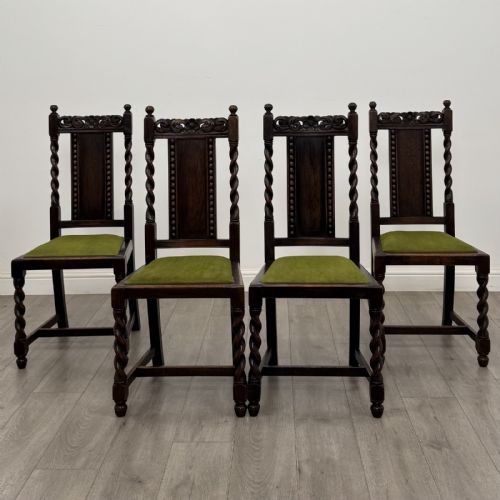
Upholstered forms incorporated leather, fabric, velvet, and tapestry secured over padding, whilst wooden variants relied on skilled carving, turning, and barley twist components.
High Seating Retail Price Guide 2026
Typical asking prices for high seating among the pieces listed under this phrase on Sellingantiques today, from the lower quarter to the upper quarter. They describe what is for sale here now, not the wider market.
Listings feature high seating spanning the seventeenth century through to the 1950s, utilising oak, mahogany, walnut, elm, and industrial cast iron.
What varies in quality
The standard of high seating depends upon the crispness of hand carving, the choice of figured timber such as flame mahogany or quarter-sawn oak, and the integrity of the original frame construction.
Superior examples demonstrate meticulous attention to structural proportion, particularly in tall backs and library armchairs, alongside authentic period upholstery materials and intact industrial iron bases.
Howard and Sons·Blackstone and Co·Gillows·Morris and Co
The High Seating Glossary
- Settle
- A wooden bench with a high back, solid arms, and often a storage box beneath the seat. It was historically placed near firesides to block draughts.
- Barley twist
- A form of woodturning resembling a twisted rope, commonly found on the legs and stretchers of Victorian and Jacobean revival dining chairs.
- Library chair
- A substantial armchair designed for reading rooms, frequently fashioned from mahogany or leather and built with deep seating for prolonged comfort.
- Carver
- An armchair, often matching a set of smaller side chairs, traditionally positioned at the head of a dining table.
- Wingback
- An armchair featuring protective side panels designed to shield the occupant from drafts and retain heat from a hearth.
High Seating: Frequently Asked Questions
How do I identify a high back dining chair?
High back dining chairs feature elongated vertical frames, often rising significantly above the table surface, and frequently incorporate styles such as Jacobean revival or Arts and Crafts.
Examine the timber grain and joinery where the back meets the seat to determine the period and construction methods used by the maker.
Where were wooden settles used?
Wooden settles were traditionally placed in farmhouses, halls, and churches to provide communal seating whilst blocking cold drafts from doorways and stone floors.
Their high backs and solid wooden panels served a practical purpose in managing temperature before central heating became common.
What is a library armchair?
A library armchair is a deeply padded, comfortable seat designed for long hours of reading in studies or libraries, often upholstered in rich leather or fabric.
These chairs typically utilise sturdy hardwoods like mahogany or walnut and possess wide arms for resting books or writing materials.
How do I care for antique leather upholstery?
Antique leather upholstery benefits from gentle cleaning with specialised saddle soap and periodic conditioning to prevent the hide from drying out and cracking.
Keep these chairs away from direct sunlight and heat sources to preserve the natural suppleness and original colour of the material.