
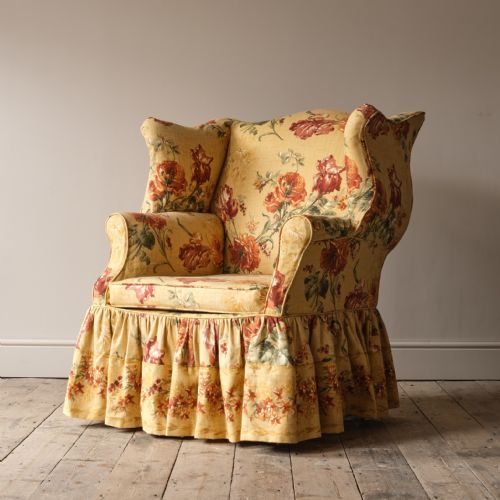
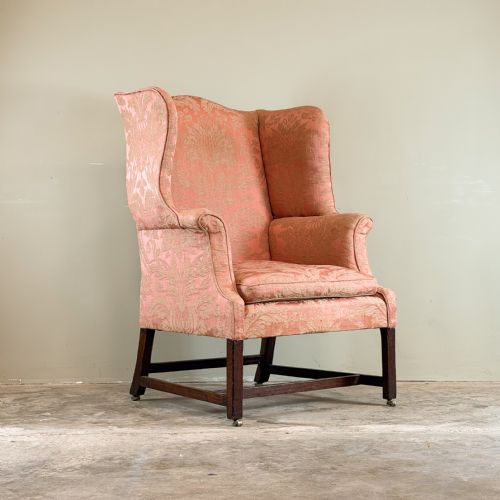
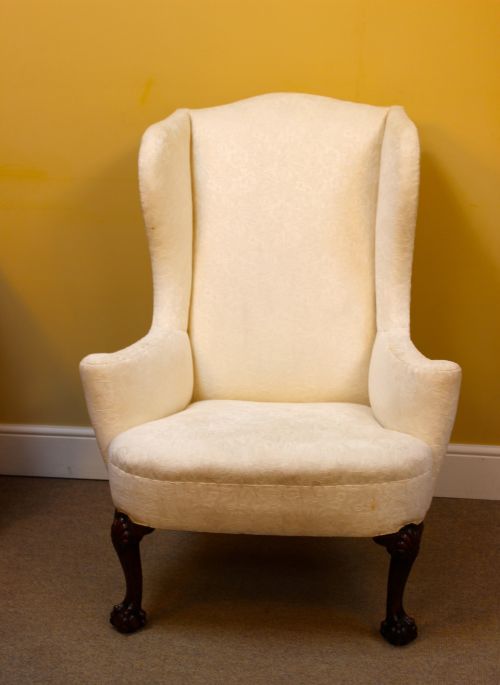
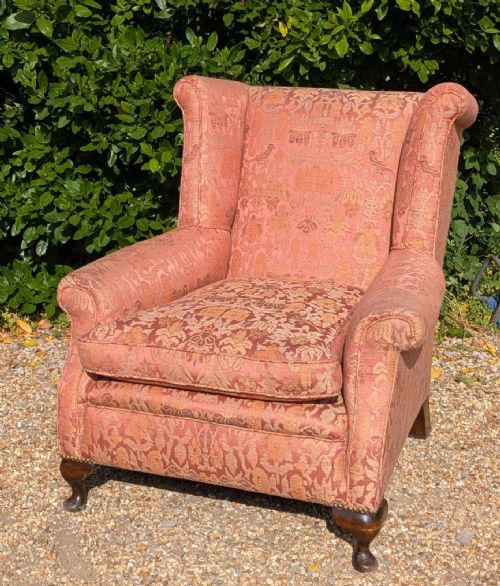
High Back Winged Chair
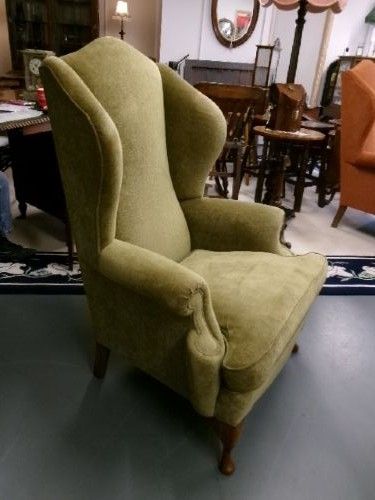
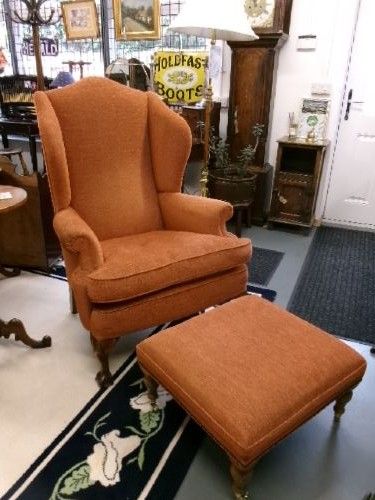
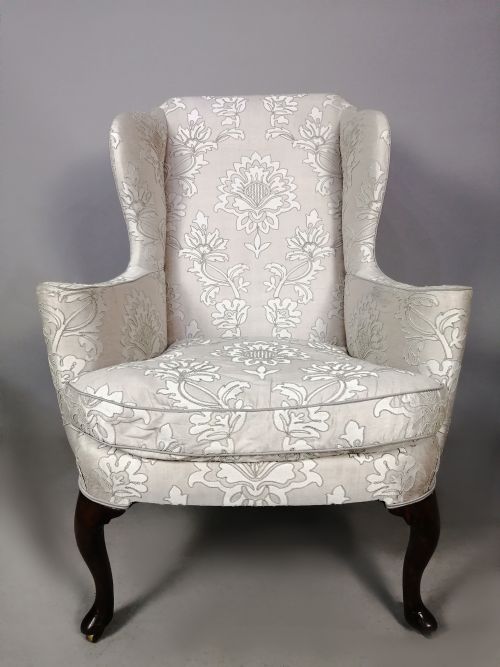
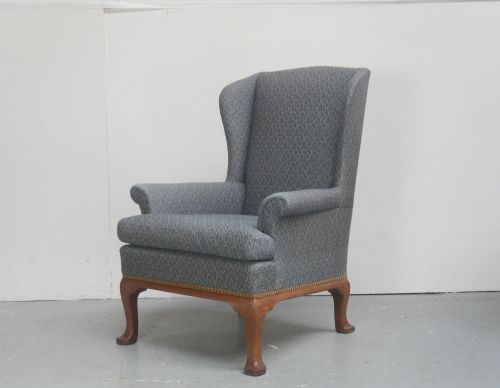
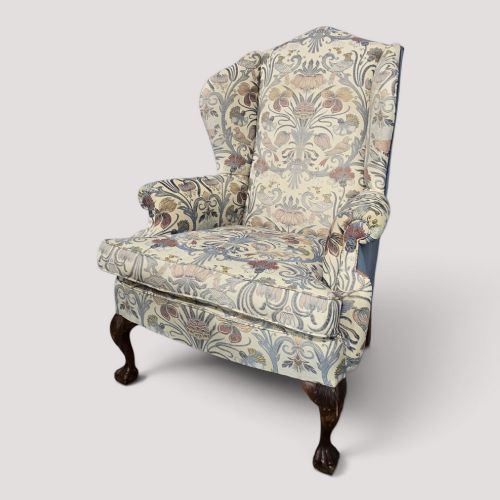
A high back winged chair provides a draught-defying perch by the hearth, combining deep upholstery with protective side panels.
High Back Winged Chair
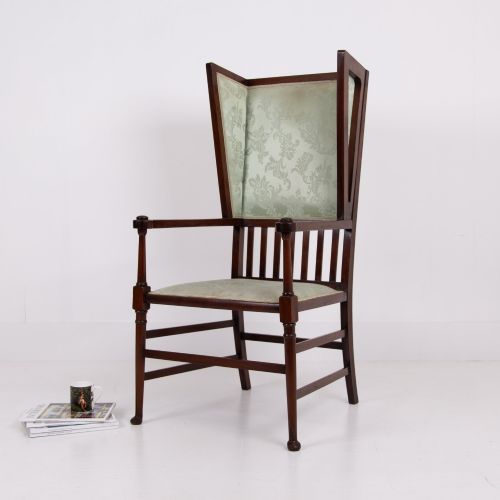
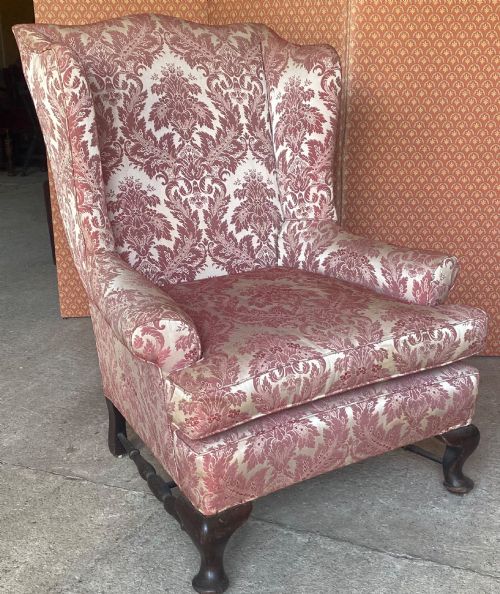
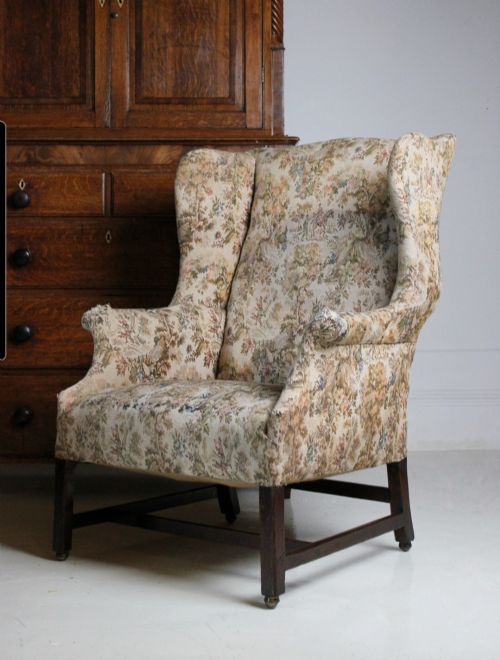
When you search for a high back winged chair, you encounter seating designed to keep out winter draughts while holding the heat of an open fire. The form centres on a tall upholstered back flanked by prominent side wings that trap warmth around the head and shoulders.
The selections span centuries of English cabinet-making and upholstery, with eighteenth-century Georgian originals appearing alongside nineteenth-century revivals and early twentieth-century interpretations. Walnut and mahogany frame structures dominate the older examples, while later pieces often utilise oak or mixed timber.
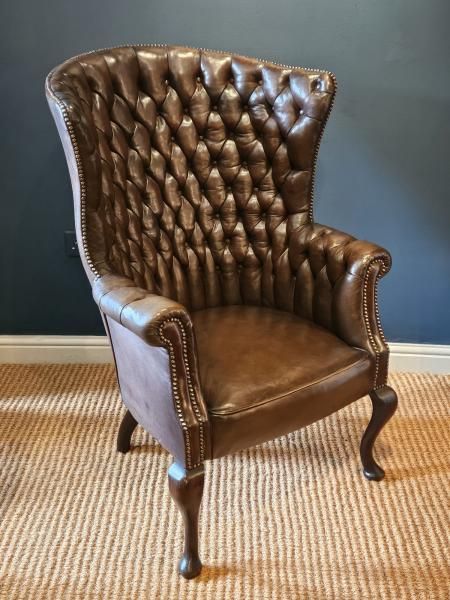
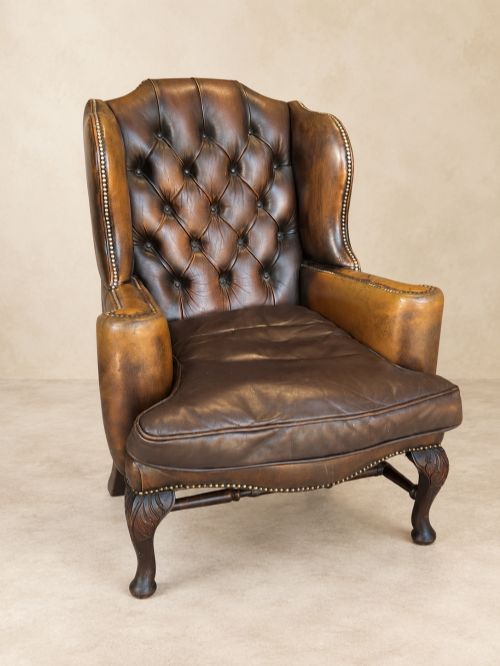
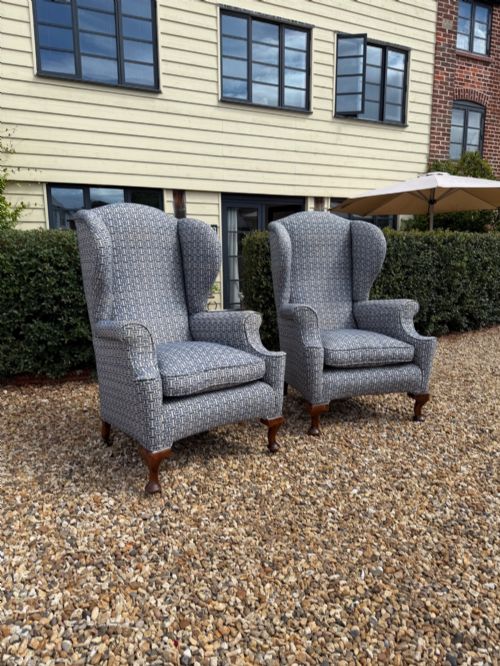
Armchairs form the vast majority of the entries, though occasional settees and barrel-backed variants emerge. You will frequently meet pieces dressed in modern fabrics, leather, or traditional textiles such as velvet and chenille.
How they were made
Makers constructed the structural frames from hardwoods including mahogany, walnut, oak, and general timber, joining the components with traditional woodworking joints. These robust skeletons support the substantial weight of the internal padding and upholstery.
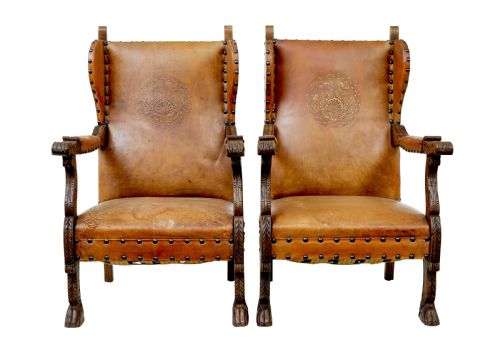
Upholstery methods evolved from early stuff-over techniques using natural fillings like feathers to later sprung units covered in leather, calico, or patterned wool. Brass tacks frequently secure the leather edges on traditional library and club variants.
The listings feature frames spanning from the eighteenth century through to the 1930s, incorporating mahogany, walnut, oak, and leather.
What varies in quality
The integrity of the underlying timber frame and the proportion of the wings set the foundational standard. Well-balanced proportions ensure the chair looks commanding rather than heavy, while tight joinery maintains stability over generations of sitting.
The calibre of the upholstery work and the choice of covering material dictate the tactile appeal. Original leather develops a rich patina with age, whereas replacement textiles test the restorer's sympathy for the period of the frame.
Howard And Sons·Whytock And Reid
The High Back Winged Chair Glossary
- Wing
- A protruding side panel attached to the back of the chair designed to deflect draughts. This signature feature also helps contain heat from a fireplace.
- Barrel back
- A seating form where the upholstered back curves continuously around to form the arms. This creates a semi-enclosed, cocoon-like seat.
- Stuff-over
- An upholstery technique where the fabric covers the wooden frame entirely so that little or no wood remains visible on the arms or seat rails.
- Queen Anne style
- A design idiom characterised by graceful, curving lines and pad feet, often referenced in revival armchairs from later centuries.
- George III style
- A classical furniture aesthetic known for straight legs, sturdy proportions, and refined mahogany or walnut framing.
High Back Winged Chair: Frequently Asked Questions
How do I spot an eighteenth-century original?
Examine the timber beneath the upholstery where accessible and look at the hand-cut joinery methods used in the frame construction. Eighteenth-century pieces typically display signs of hand-tooling and period-specific secondary woods.
Compare the proportion of the wings and the rake of the back against documented examples from the same decade. Subtle shifts in leg design and stretcher placement also help indicate the correct era.
Were these chairs always used by the fireplace?
The defining wings were originally engineered to block cold air currents in draughty historic houses, making the hearth their natural home. Wealthy occupants also utilised them in libraries and private drawing rooms for reading.
Over time, the form migrated into general parlour and country house settings as central heating reduced the need for draught-proofing. Their high backs also offered a degree of acoustic privacy in busy households.
How should I care for leather upholstery?
Feed antique leather periodically with appropriate conservation-grade balms to prevent the hide from drying out and cracking. Keep the chair away from direct sunlight and strong heat sources like radiators.
Dust the crevices regularly with a soft brush and avoid harsh chemical cleaners that can strip the historic finish. Professional leather conservators can advise on treating deep scuffs safely.
What is the difference between Georgian and revival pieces?
Georgian pieces were built during the eighteenth century for contemporary domestic use, carrying the wear patterns and construction methods of that era. Revival pieces date from the nineteenth or twentieth centuries and consciously copy those earlier styles.
Revival examples often utilise machine-sawn timber elements or later upholstery systems whilst mimicking the historic aesthetic. Both hold distinct appeal depending on whether you seek period authenticity or decorative utility.