






Heriz Pattern Carpet
A heriz pattern carpet brings striking geometry and robust wool to a room, grounding floors with centuries of Persian tradition.
Heriz Pattern Carpet
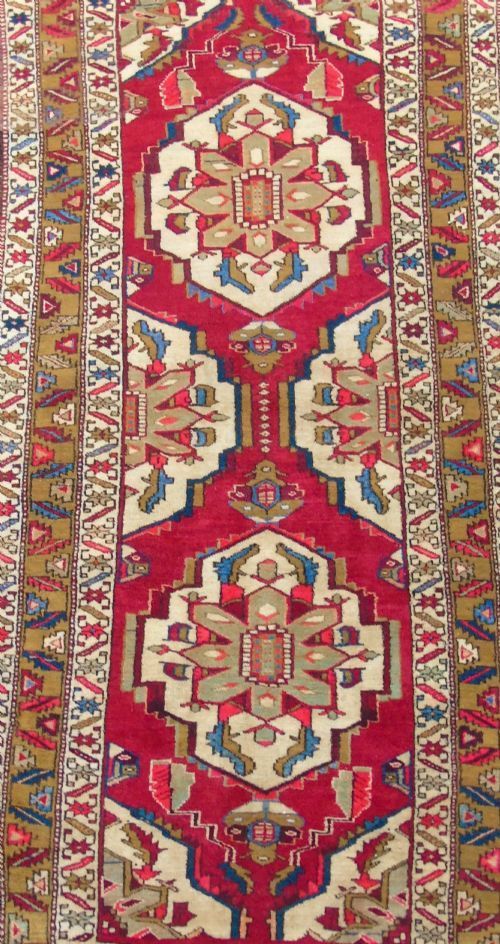
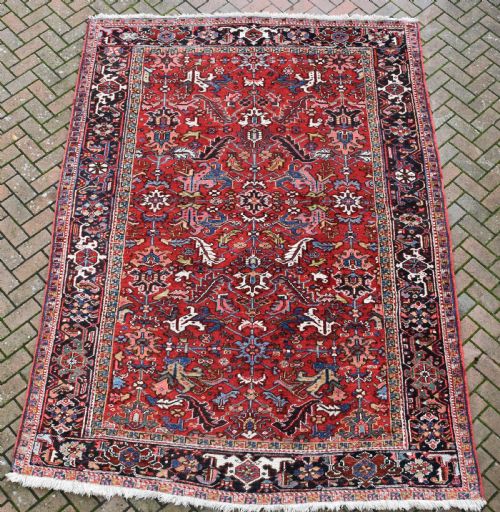
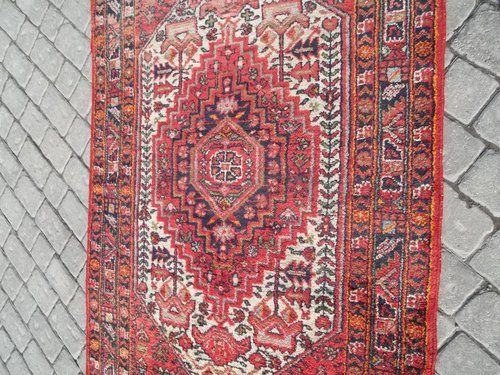
A heriz pattern carpet delivers the bold medallions and geometric motifs characteristic of north-west Persian weaving. These floor coverings range from small rugs and long runners to substantial gallery carpets woven across the late nineteenth and early twentieth centuries.
Buyers encountering this group will find pieces spanning several decades, including Victorian examples alongside later twentieth-century productions. The forms vary from intimate domestic rugs to grand room-sized carpets.
Traditional village and tribal aesthetics heavily influence these textiles, resulting in robust layouts distinct from curvilinear city workshop designs. The surviving examples demonstrate enduring utility within both historic and contemporary interiors.
Materials and construction
The foundation relies on durable cotton warps and wefts, providing structural stability for heavy floor traffic. Hand-knotted wool pile forms the surface, yielding dense and resilient textiles designed to withstand decades of daily use.
Weavers utilised hand-spun wool dyed with traditional vegetable colourants, creating rich variations across the surface. The meticulous hand-weaving technique binds each knot firmly to the cotton foundation, ensuring lasting integrity for every runner and carpet.
Heriz Pattern Carpet Retail Price Guide 2026
Typical asking prices for heriz pattern carpet among the pieces listed under this phrase on Sellingantiques today, from the lower quarter to the upper quarter. They describe what is for sale here now, not the wider market.
Listings feature wool and cotton materials across periods spanning from eighteen-seventy to nineteen-thirty.
Judging quality and craftsmanship
Knot density and precision of the geometric layout dictate the refinement of the weaving. Finer execution in the medallion and border details elevates a piece from standard domestic utility to exceptional craftsmanship.
The depth and preservation of the wool pile directly influence the tactile appeal and longevity of the carpet. Uniformity in the hand-knotted structure and integrity of the cotton foundation distinguish superior examples within the range.
The Heriz Pattern Carpet Glossary
- Heriz
- A style of carpet originating from the north-west region of Persia, known for bold geometric medallions and robust construction. These pieces typically feature sturdy wool pile on cotton foundations.
- Serapi
- A sub-category of Heriz carpets often associated with older nineteenth-century production and slightly more open, spaced-out geometric designs. Collectors prize these for their distinctive palettes and balanced compositions.
- Bakshaish
- An antique Persian carpet style from the same geographical region, characterised by whimsical village designs and softer colour arrangements. They represent an earlier aesthetic precursor to standard Heriz weaving.
- Karaja
- A village weaving tradition from the Heriz district, frequently producing smaller rugs and runners with distinct geometric medallion formats. The style shares technical traits with broader north-west Persian production.
- Runner
- A long, narrow carpet format specifically proportioned for hallways, corridors, and staircases. These pieces require durable materials to endure concentrated foot traffic.
Heriz Pattern Carpet: Frequently Asked Questions
How do I clean a wool carpet?
Regular gentle vacuuming without a beater bar removes loose dirt from the wool pile safely.
Professional specialist cleaning remains essential for deep washing to protect the natural dyes and cotton foundation.
Where should I place a runner?
Runners suit narrow spaces such as corridors, hallways, and staircases where linear formats function best.
Their sturdy construction handles frequent footsteps while adding distinct geometric character to transitional areas.
Are these pieces genuinely antique?
The selection includes genuine nineteenth-century and early twentieth-century examples woven by hand in Persian villages.
Materials, structural wear, and traditional hand-knotting techniques confirm their historical origins.
How do I identify a Serapi design?
Serapi carpets typically display slightly older nineteenth-century aesthetics with more spacious, less crowded geometric layouts.
The colour palette often incorporates softer terracotta and indigo tones within the field and borders.