





Heritage Portrait Oil Painting
A heritage portrait oil painting captures faces from past centuries on canvas, offering buyers an authentic window into history through fine brushwork and layered pigments.
Heritage Portrait Oil Painting
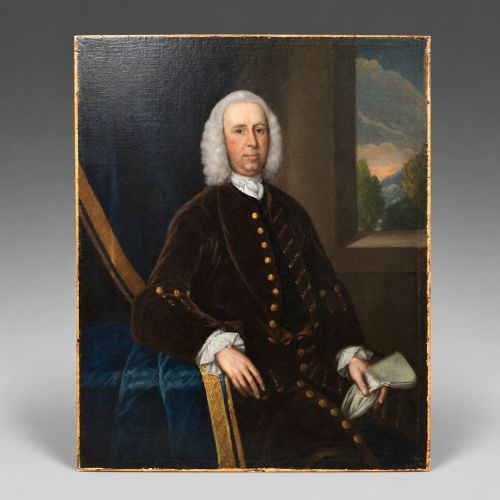
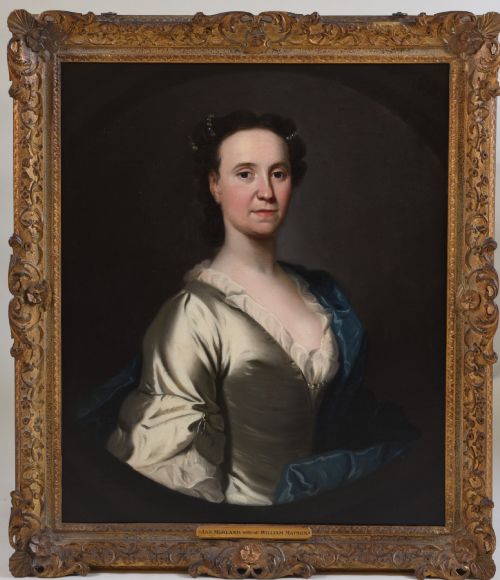
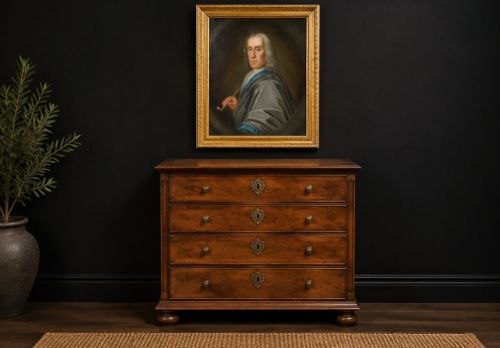
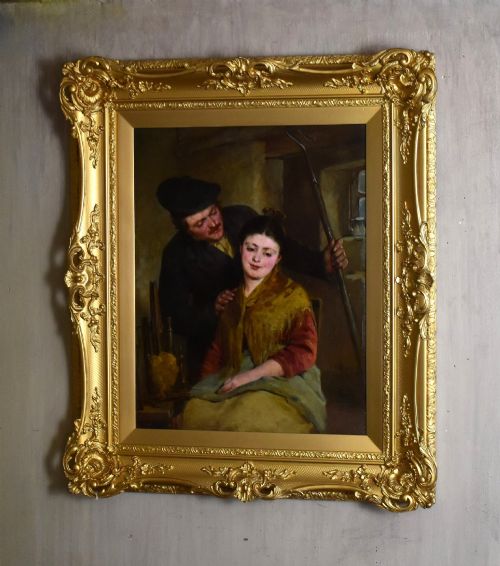
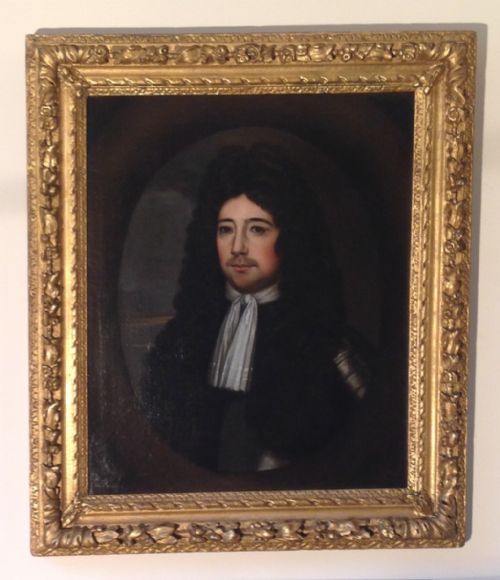
A heritage portrait oil painting represents historical sitters ranging from seventeenth-century nobility to mid-twentieth-century figures, depicted primarily through traditional British art and various regional schools. These artworks frequently portray gentlemen, noblemen, and family groups captured in formal attire or holding personal items like pipes.
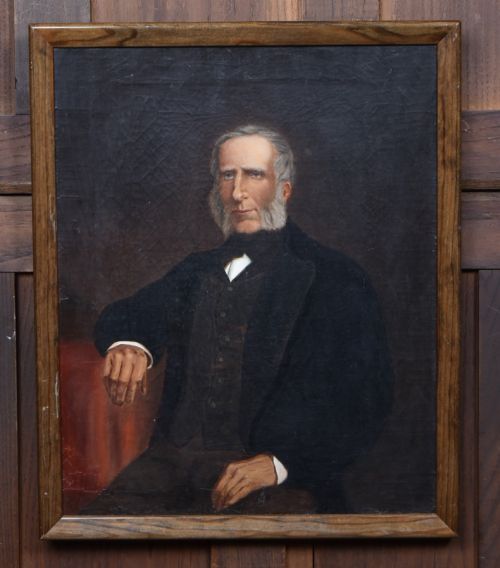
The pieces appearing on this page span several distinct eras, including the Georgian and Victorian periods, alongside later twentieth-century interpretations. Buyers encounter works attributed to specific artists as well as pieces originating from the English School.
Subjects range from Jacobite nobles and British baronets to royal figures such as Prince Philip, Duke of Edinburgh. Each oil painting preserves the likeness and social standing of its subject through enduring portraiture traditions.
Materials and construction
These works rely on oil paint applied to canvas or wood panels, utilising the versatile drying properties of oil mediums to build depth and subtle tonal gradation. Canvases are frequently supported by wooden stretcher frames, providing a stable foundation for layers of pigment.
Many historical frames incorporate gesso and gold leaf to create ornate giltwood surrounds that complement the oil paintings. Artisans applied these decorative elements to enhance the visual prominence of the portraits.
Heritage Portrait Oil Painting Retail Price Guide 2026
Typical asking prices for heritage portrait oil painting among the pieces listed under this phrase on Sellingantiques today, from the lower quarter to the upper quarter. They describe what is for sale here now, not the wider market.
Represented subjects include gentlemen, noblemen, young ladies, and military figures in official uniforms.
Distinctions in quality
The refinement of facial modelling and the handling of textiles set finer examples apart, particularly in how artists render the texture of clothing and the play of light across skin. Works executed by established Royal Academicians or documented regional schools demonstrate superior draughtsmanship compared to anonymous workshop output.
The preservation of the original canvas and the integrity of the paint layers influence the enduring character of each piece. Surviving historical frames adorned with original gold leaf and gesso further contribute to the overall integrity of the object.
Howard Helmick·John Opie RA·Carl Adolf Mende·Frank Moss Bennett·John Laviers Wheatley
The Heritage Portrait Oil Painting Glossary
- Oil on Canvas
- A traditional painting medium where oil paints are applied to a stretched woven fabric support. This combination allows for rich colour blending and lasting durability.
- Giltwood
- Wood that has been treated with a thin layer of gold leaf or gold paint for decorative effect. It is commonly found on ornate picture frames surrounding historical portraits.
- Gesso
- A plaster-like mixture used as a base coat on wood or canvas to prepare the surface for painting or gilding. It provides a smooth ground for subsequent layers.
- Royal Academician
- An artist elected as a full member of the Royal Academy of Arts in London. This designation denotes professional peer recognition during the painter's career.
- English School
- A term used to classify works produced by artists trained or working within England. It groups together stylistic traditions across various centuries without implying a single formal academy.
Heritage Portrait Oil Painting: Frequently Asked Questions
Where should I hang a heritage portrait oil painting at home?
These works require stable interior environments away from direct sunlight, high humidity, and rapid temperature fluctuations, which can damage canvas and oil pigments over time. Placing them on internal walls protects the structure from damp exterior masonry.
Traditional rooms with balanced lighting and adequate wall space allow giltwood frames and dark oil palettes to be viewed clearly without competing with modern decor.
What distinguishes Georgian portraiture from later nineteenth-century works?
Georgian portraits typically emphasise formal posture, aristocratic poise, and classical drapery, reflecting Enlightenment ideals and eighteenth-century societal structures. The brushwork often balances idealised elegance with sharp character observation.
Nineteenth-century examples, influenced by realism and changing artistic standards, frequently introduce more naturalistic expressions, varied interior settings, and looser application of oil paint.
How do I clean a historical oil painting safely?
Routine maintenance involves gentle dusting of the canvas and frame using a soft, dry brush, taking care not to apply pressure to the painted surface. Professional conservators should handle any cleaning involving solvents or the removal of accumulated surface grime.
Attempting to wash or rub the paint layer independently risks removing original glazes and damaging the underlying canvas structure.