



Heraldic Decor
Heraldic decor brings centuries of armorial heritage into a room, offering carved shields, cast iron plaques, and painted crests that anchor an interior with historic authority.
Heraldic Decor
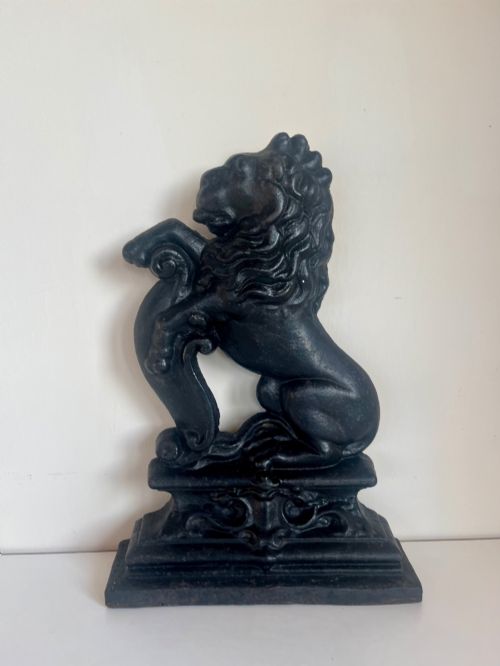
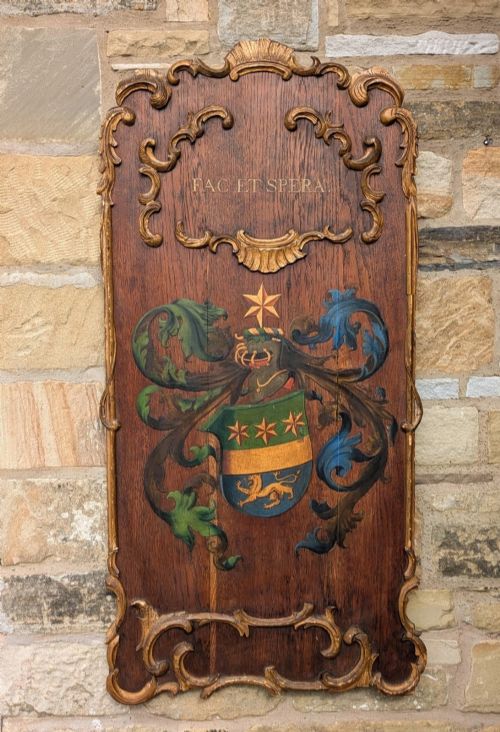
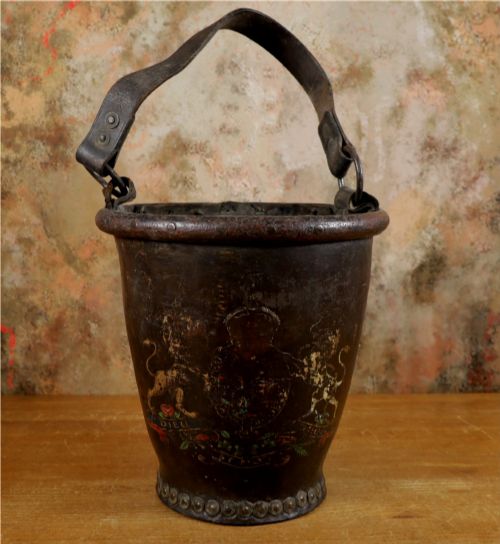
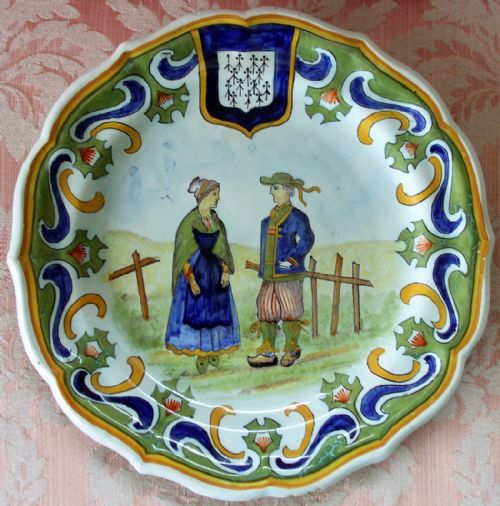
When you search for heraldic decor, you encounter a diverse range of armorial objects spanning centuries of craftsmanship. These pieces primarily take the form of wall plaques, decorative plates, fire buckets, cast iron door stops, and carved wooden shields displaying family crests and royal insignia.
The items found here stretch across multiple periods, with nineteenth-century examples and twentieth-century interpretations appearing regularly. Victorian gothic revival pieces sit alongside Georgian leatherwork and Edwardian brass plates, providing a continuous thread of heraldic expression.
Objects range from substantial cast iron royal coats of arms down to intimate painted book covers and framed genealogies. Buyers select these items to introduce distinct lineage, heraldic symbolism, and period weight into domestic spaces.
Materials and construction
The construction of these pieces relies heavily on durable metals and robust timbers. Casters utilised cast iron and bronze for heavy plaques and doorstops, while woodworkers shaped oak and hardwood into carved shields and panels.
Surface decoration frequently involves hand-painted pigment and applied gesso, often heightened with gilt detailing. Leatherwork appears in functional items like fire buckets, studded with metal nails to reinforce the structure while displaying armorial designs.
Heraldic Decor Retail Price Guide 2026
Typical asking prices for heraldic decor among the pieces listed under this phrase on Sellingantiques today, from the lower quarter to the upper quarter. They describe what is for sale here now, not the wider market.
Listings feature oak, brass, cast iron, and hardwood forms spanning the nineteenth and twentieth centuries.
Assessing quality and execution
Quality in these objects rests upon the crispness of the carving or casting and the fidelity of the heraldic details. Superior examples exhibit finely rendered charges, sharp lines in cast metal, and deeply carved wood that preserves the intricate rules of armory.
The execution of painted pigment also defines the higher tiers of the range. Skilled brushwork on ceramic dishes, wooden panels, and book covers maintains precise colours and heraldic accuracy, whereas lesser pieces show hurried application and blurred insignia.
Nanninga Uitterdyke·Icilio Federico Joni
The Heraldic Decor Glossary
- Armorial
- Relating to heraldry or bearing a coat of arms. These designs display specific family or institutional lineage through stylised symbols.
- Gesso
- A plaster-like mixture applied to wood or canvas as a base for painting or gilding. It allows for raised decorative details on panels and frames.
- Faience
- Tinned glazed earthenware originating in Europe. Pieces show hand-painted designs fired onto an opaque white glaze.
- Andiron
- A horizontal metal support used in pairs to hold logs in an open fireplace. They frequently feature decorative cast iron or bronze terminals.
- Biccherna
- Sienese painted wooden tax register covers from the medieval and renaissance periods. Later works emulate this specific aesthetic tradition.
Heraldic Decor: Frequently Asked Questions
How were cast iron armorial plaques used?
Cast iron plaques featuring royal or family coats of arms served primarily as architectural fixtures. They were mounted above fireplaces, on exterior walls, or inside public buildings to signal authority and allegiance.
In domestic settings, smaller versions added historical gravity to libraries and halls. Their durable metal construction ensured they withstood both indoor and outdoor environments.
How do I date a heraldic shield?
Dating relies on examining the timber species, the mounting technique, and the style of the carving. Nineteenth-century examples often display Victorian gothic revival influences, while twentieth-century pieces incorporate cleaner mounting methods.
Comparing the specific helmet, mantling, and shield shape to established heraldic periods provides further clues to the workshop era.
Where should I place heraldic decor at home?
These pieces naturally command attention, making them ideal focal points above mantelpieces, in entrance halls, or within studies. Wooden shields and cast iron plaques pair well with period architecture and traditional wall finishes.
Ensuring secure wall fixings is essential due to the heavy weight of cast iron and solid hardwood items.