
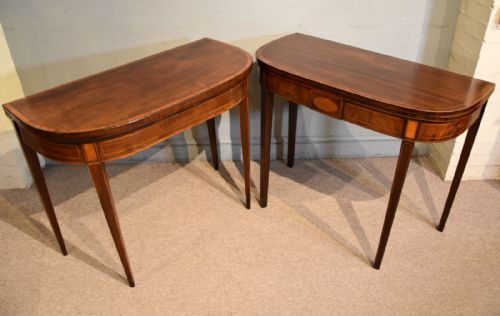


Hepplewhite Style Furniture
Hepplewhite style furniture brings graceful lines and refined woodwork into any room, offering classic forms that collectors prize.
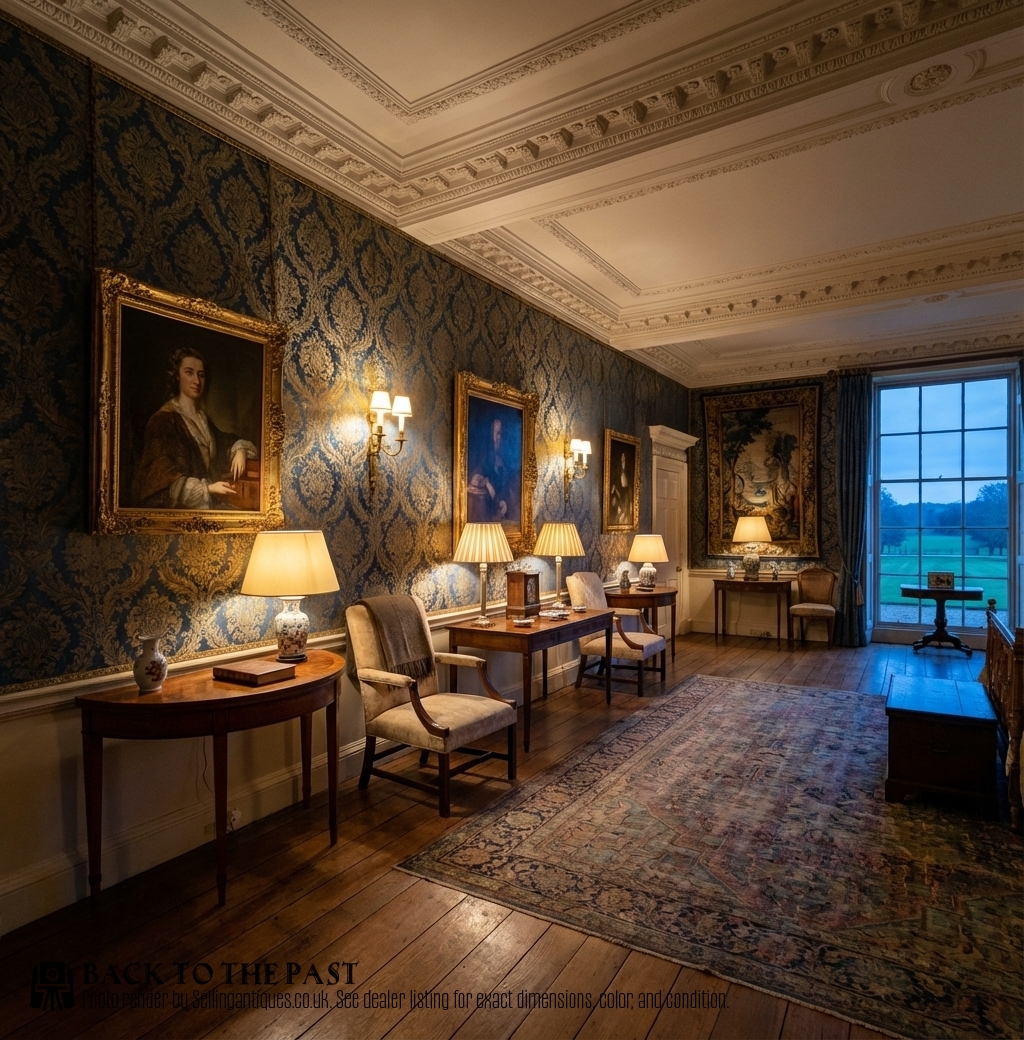
Hepplewhite Style Furniture
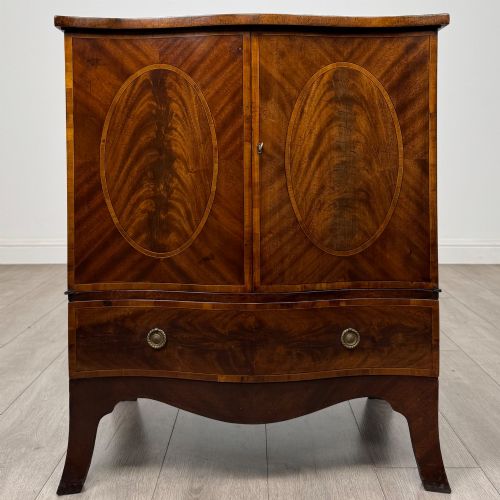
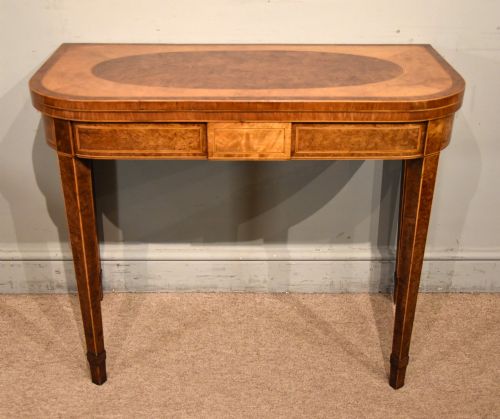
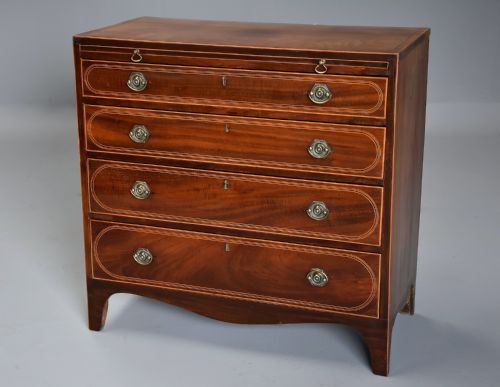
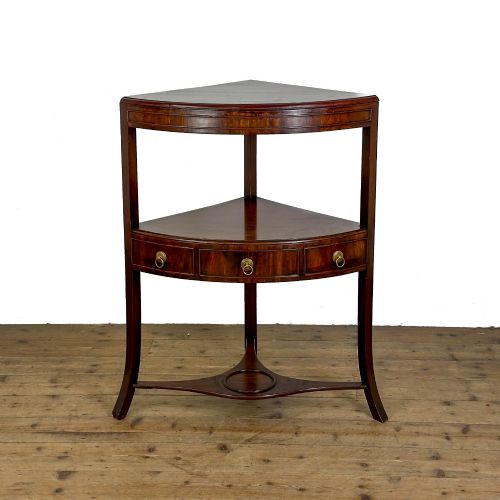
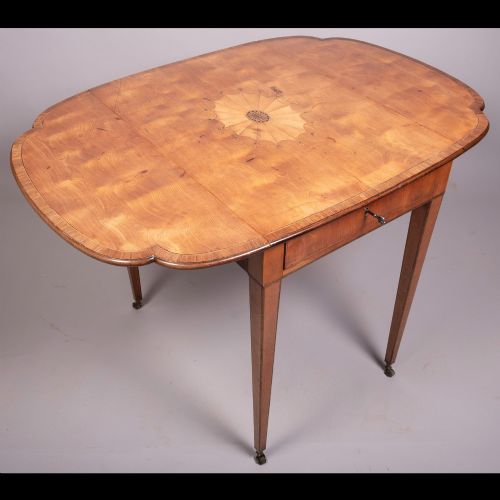
When you search for hepplewhite style furniture, you encounter pieces spanning the Georgian, Edwardian, and later nineteenth-century periods, capturing an enduring aesthetic. The selection ranges from dining chairs and card tables to sideboards, chests of drawers, and Pembroke tables.
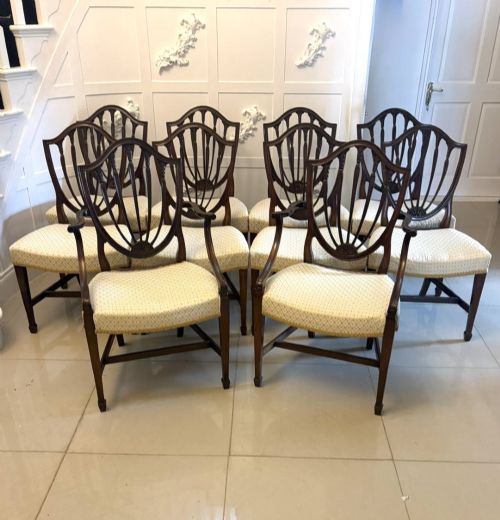
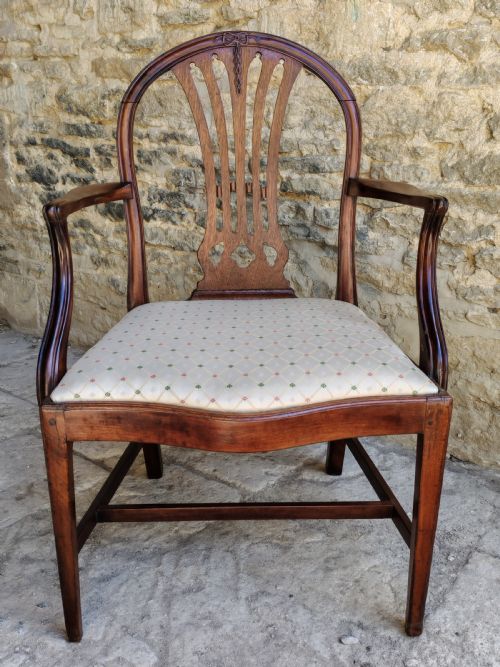
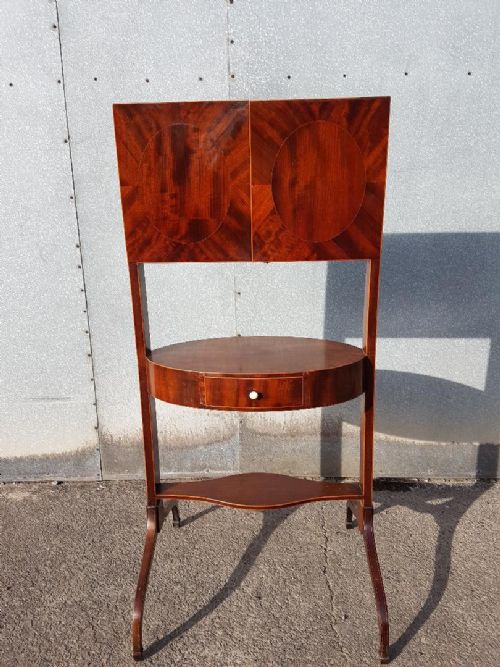
You are most likely to meet mahogany sideboards and shield back dining chairs on this page, alongside satinwood card tables and washstands. These forms reflect both eighteenth-century origins and later revival eras.
The objects showcase various regional and workshop interpretations, from George III originals to Edwardian Hepplewhite revival pieces. Each item demonstrates the distinct proportions and silhouettes associated with the style.
How they were made
Maker's workshops utilised solid mahogany and satinwood, often enhanced with boxwood inlay, burr yew, and maple veneers. These woods provided the necessary contrast for detailed banded borders and decorative motifs.
Cabinet makers employed precise joinery techniques to construct serpentine fronts, shield backs, and delicate tapered legs. Brass hardware and fabric upholstery completed the functional elements of these tables, chairs, and cabinets.
The listings feature Georgian and Edwardian periods, utilising mahogany, satinwood, burr yew, and boxwood inlay across sideboards, tables, and chairs.
What varies in quality
The refinement of the inlay work and the choice of timber figure heavily distinguish the standard of execution across these items. Finely grained satinwood and crisp boxwood stringing elevate a piece above simpler constructions.
Proportion and structural integrity define the upper tier of craftsmanship, where balanced serpentine curves and well-fitted drawers demonstrate superior workshop skill. Maker attribution also plays a role in establishing the distinction between standard production and top-tier output.
Maple & Co·Druce & Co·George Hepplewhite
The Hepplewhite Style Furniture Glossary
- Shield back
- A chair back design shaped like an inverted shield, often carved with Prince of Wales feathers or drapery motifs.
- Serpentine front
- A piece of furniture featuring a front contour that curves outward in the centre and inward at the sides.
- Pembroke table
- A small, drop-leaf table with hinged flaps on either side, introduced during the eighteenth century.
- Boxwood inlay
- Light-coloured contrasting wood inserted into recesses in a darker timber surface to create decorative borders.
- Card table
- A folding table specifically designed for playing card games, typically featuring a baize-lined interior surface.
Hepplewhite Style Furniture: Frequently Asked Questions
How do I identify Hepplewhite style furniture?
Look for characteristic design elements such as shield-backed chairs, tapered spade feet, and delicate contrasting wood inlays. The proportions remain graceful and light compared to earlier heavy walnut or oak pieces.
Examination of the secondary woods and construction methods helps distinguish eighteenth-century originals from later Edwardian revivals.
Are these pieces suitable for daily use?
Most items, including sideboards, card tables, and dining chairs, function well in modern interiors when handled with reasonable care. Solid mahogany and sturdy joinery provide durable everyday utility.
Sensitive surfaces like satinwood veneer or antique fabric upholstery require gentle maintenance to preserve their finish.
What is the difference between original and revival pieces?
Eighteenth-century pieces date from the Georgian period and carry the patina of age alongside period construction traits. Edwardian Hepplewhite revival items were produced around nineteen-hundred, adopting the same historic design vocabulary.
Both categories hold distinct appeal for collectors depending on whether they seek period authenticity or late-nineteenth-century craftsmanship.
Where were these pieces used originally?
Sideboards, card tables, and dining chairs served formal dining rooms and drawing rooms in period townhouses and country estates. Smaller items like washstands and dressing tables furnished private bedchambers.
Their elegant presentation suited spaces intended for entertaining and displaying status.