



Hepplewhite Commode
A hepplewhite commode brings refined serpentine shaping and subtle inlay into a room, offering practical storage through sophisticated eighteenth-century cabinet-making.
Hepplewhite Commode
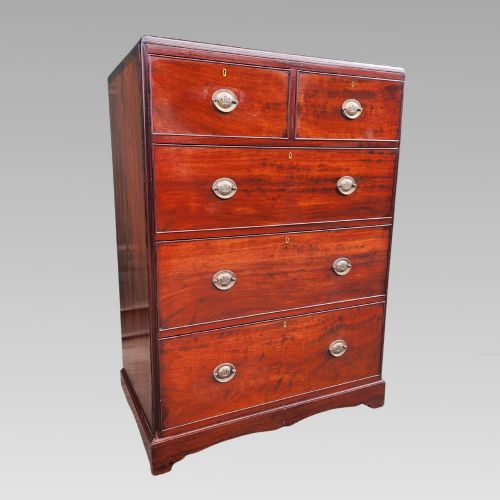
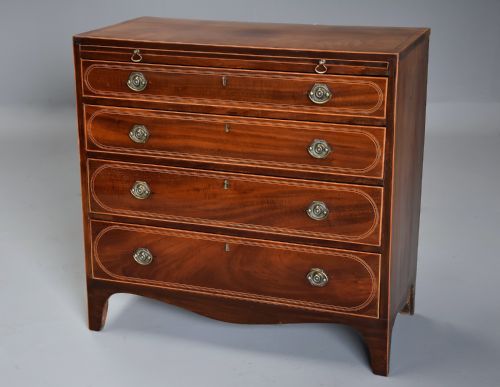
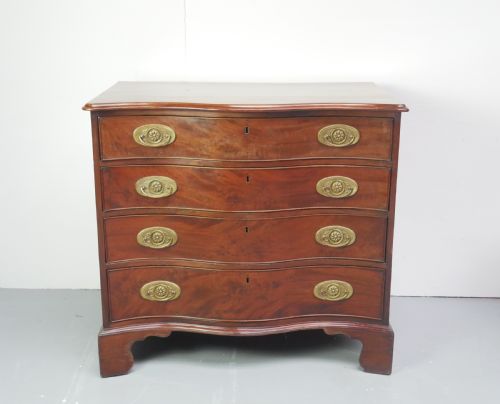
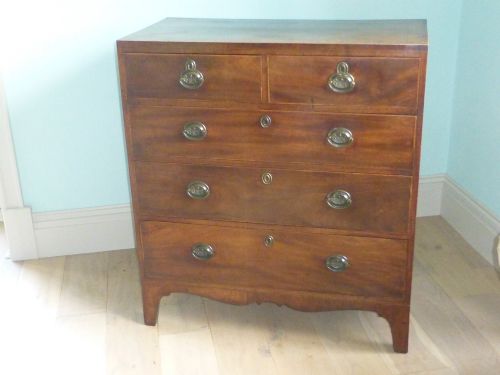
A hepplewhite commode embodies the graceful lines and understated ornamentation characteristic of the late eighteenth century. When you search for a hepplewhite commode, you encounter sophisticated case furniture designed primarily as chests of drawers, bedside cabinets, and shaped commodes.
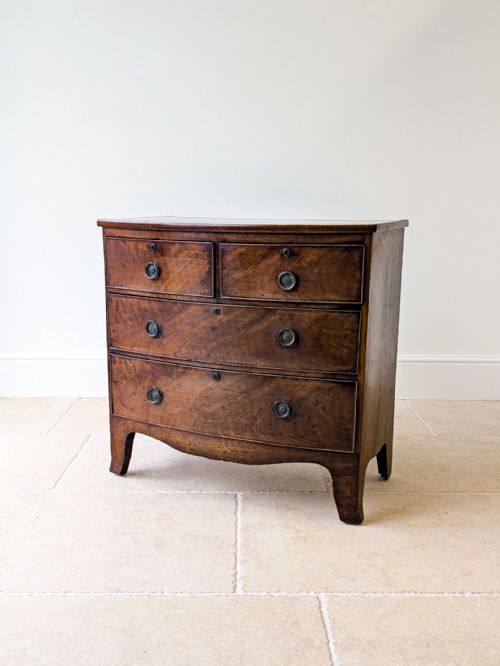
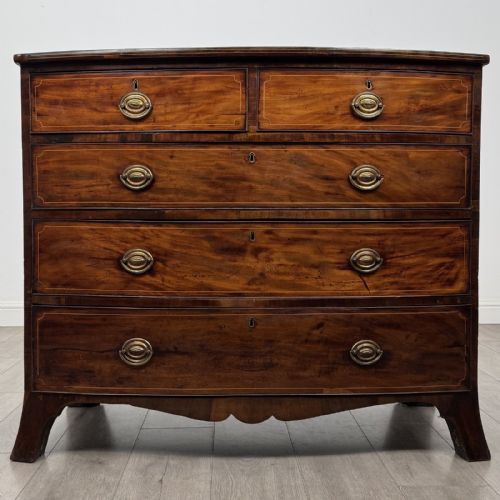
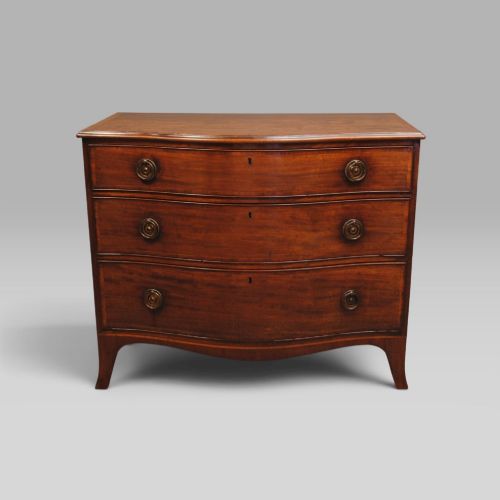
The pieces appearing on this page span the 18th century, Georgian, and Edwardian periods, alongside later revival interpretations. Most commonly, you will find serpentine and bow-fronted chests of drawers or side cabinets originating from the Georgian era.
Makers and cabinet-makers of the period constructed these forms to serve elegant bedchambers and reception rooms. Their enduring appeal lies in the combination of functional storage capacity and restrained decorative detailing.
What varies in quality
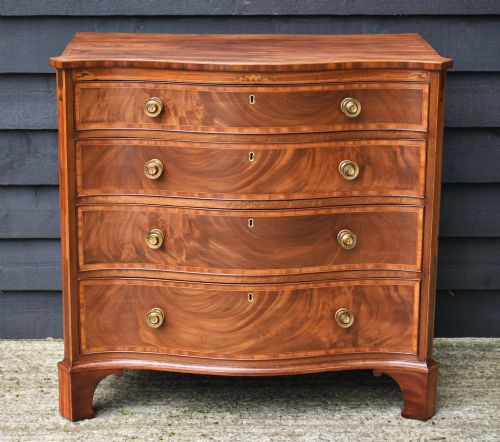
Quality diverges significantly in the selection and matching of wood veneers across the curved drawer fronts. Superior examples demonstrate continuous, highly figured grain patterns that follow the difficult contours of a serpentine or bow shape without distortion.
The crispness of the boxwood inlay and the precision of the mitred joints determine the standing of a piece. Finer items exhibit careful timber selection inside the drawers, utilising oak with tidy dovetail joints rather than hasty construction.
Hepplewhite Commode Retail Price Guide 2026
Typical asking prices for hepplewhite commode among the pieces listed under this phrase on Sellingantiques today, from the lower quarter to the upper quarter. They describe what is for sale here now, not the wider market.
The selection encompasses bedside tables, washstand cabinets, and writing cabinets alongside traditional serpentine chests of drawers.
Druce & Co
The Hepplewhite Commode Glossary
- Serpentine
- A front contour characterised by a central convex curve flanked by two concave sweeps. This undulating shape requires immense skill from the cabinet-maker to execute successfully.
- Crossbanding
- A narrow strip of veneer applied to the border of a drawer front or tabletop so that the grain runs perpendicular to the main panel. It creates a neat framing effect on mahogany furniture.
- Bowfront
- A convex, outwardly curving front elevation popular on Georgian chests of drawers and commodes. The curve softens the rectangular geometry of standard case furniture.
- Harewood
- Sycamore wood that has been stained grey, historically utilised for delicate marquetry and inlay work on fine eighteenth-century pieces.
- Demi lune
- A half-moon or semicircular shape applied to the plan and top of specialised commodes and side tables.
Hepplewhite Commode: Frequently Asked Questions
What is a hepplewhite commode?
A hepplewhite commode is an elegant eighteenth-century storage piece, typically featuring a serpentine or curved front. These items combine practical drawer space with refined aesthetic proportions.
Cabinet-makers of the period favored graceful lines over heavy ornamentation, making these pieces versatile additions to traditional and contemporary interiors alike.
How do I identify a Georgian period piece?
Georgian pieces are identified through their construction methods, timber choices, and overall design vocabulary. Genuine examples often feature hand-cut dovetails in oak drawer linings and rich mahogany surfaces.
Stylistic markers include subtle boxwood inlay, serpentine shaping, and period brass hardware rather than mass-produced fastenings.
Where were these cabinets used?
These commodes and chests were designed principally for principal bedchambers, dressing rooms, and formal drawing rooms. Their refined appearance meant they were meant to be seen in polite society.
Today, buyers utilise them in hallways, bedrooms, and living spaces as statement storage units that hold linens, clothes, or everyday items.
How do I care for mahogany furniture?
Maintaining antique mahogany involves keeping pieces away from direct heat sources and sudden humidity changes. Regular dusting with a soft, dry cloth preserves the polished surface.
Occasional applications of appropriate wax feed the timber and maintain the natural lustre of the wood grain without building up heavy chemical residues.