





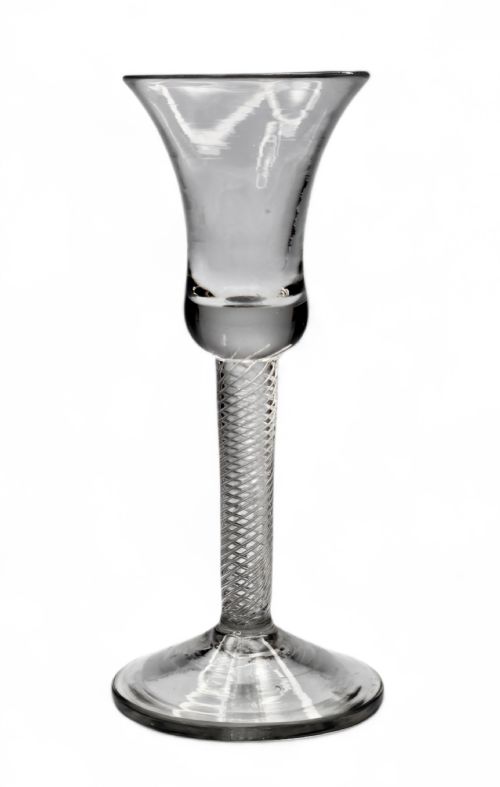


Heavy Stem Glass
These heavy stem glass examples are substantial drinking vessels possessing considerable tactile weight and historic character, prized for their solidity and enduring forms.
Heavy Stem Glass
A heavy stem glass encompasses robust drinking vessels and serving pieces originating primarily from the Georgian and Victorian eras. These substantial items include rummers, dram glasses, baluster wine glasses, goblets and sweetmeat glasses designed for daily use or formal hospitality.
The versions most commonly encountered on this page date from the eighteenth and nineteenth centuries, featuring thick stems, clear metal and generous bowls. They reflect the utilitarian yet refined tastes of their periods, often displaying characteristic baluster profiles or chunky tavern forms.
How they were made
These pieces are formed from lead glass, flint glass or clear lead crystal, materials chosen for their refractive qualities and structural density. The high lead content allows for thick, substantial stems while maintaining a brilliant clarity in the bowl.
Master craftsmen utilised hand-blown glass techniques, shaping the molten metal into bell bowls, domed feet and thick baluster stems. The inherent plasticity of the hot material determined the final robust proportions seen in rummers and dram glasses.
Heavy Stem Glass Retail Price Guide 2026
Typical asking prices for heavy stem glass among the pieces listed under this phrase on Sellingantiques today, from the lower quarter to the upper quarter. They describe what is for sale here now, not the wider market.
Some eighteenth-century dram glasses feature deceptive bowls that appear deep from the outside but hold only a tiny measure within.
What varies in quality
Quality in these vessels rests upon the clarity of the metal and the balance of the proportions. Superior examples display a remarkable lack of heavy clouding or excessive bubbles in the lead crystal, alongside a pleasing weight distribution between the heavy stem and the bowl.
The finesse of the shaping also separates finer pieces from utilitarian tavern wares. A carefully domed foot, a well-formed multiple spiral air twist or a crisply blown bell bowl distinguishes a refined baluster wine glass from a standard workshop product.
The Heavy Stem Glass Glossary
- Baluster stem
- A thick, sturdy glass stem shaped with nodes or swells resembling an architectural baluster. This form provides a secure grip and substantial weight to eighteenth-century drinking vessels.
- Rummer
- A large, heavy drinking glass popular in the eighteenth and nineteenth centuries, typically featuring a capacious bowl and a short, thick stem. They were frequently used for serving wine, ale or punch.
- Multiple spiral air twist
- A decorative optical effect within a glass stem created by drawing out tiny air bubbles into fine, twisting threads during manufacture. It adds visual complexity to clear lead glass.
- Dram glass
- A small, robust vessel designed for holding a single measure of spirits. Their thick stems and small bowls prevented accidental tipping on crowded tables.
Heavy Stem Glass: Frequently Asked Questions
What is a heavy stem glass used for?
These robust vessels served primarily for consuming wine, spirits, ale and punch during social gatherings in the eighteenth and nineteenth centuries. Their substantial weight helped prevent spills in tavern and domestic settings.
Today, collectors appreciate them both as historical artefacts and as durable drinking vessels for enjoying traditional beverages. Their generous proportions make them particularly suited for hearty reds or historical ales.
How do I date an eighteenth-century glass?
Dating relies on observing specific manufacturing traits, bowl shapes and stem forms characteristic of particular decades. Baluster profiles and heavy lead metal often point towards the earlier Georgian period.
Changes in pontil mark preparation, metal composition and cutting styles also provide reliable clues for distinguishing eighteenth-century pieces from later nineteenth-century revivals.
What is lead crystal glassware?
Lead crystal is a specialised glass containing metallic lead oxide, which increases the weight, refractive index and overall brilliance of the material. This composition allowed makers to form thick, durable stems without losing optical clarity.
The added density gives these historical pieces their characteristic heft and a resonant ring when gently tapped.
How should I care for antique glass?
Antique glass requires gentle hand washing in lukewarm water using mild detergent to preserve the surface finish and prevent thermal shock. Avoid abrasive sponges or harsh chemicals that might scratch the soft historical metal.
Store them securely on stable surfaces where their heavy stems will not be subjected to accidental knocks or crowding in cabinets.