




Heavy Silver Box
A heavy silver box is a substantive receptacle designed to hold valuables, documents or tobacco safely.
Heavy Silver Box
A heavy silver box encompasses diverse forms, ranging from monumental oak storage chests bound in iron to pocket-sized desk containers and snuff boxes. Buyers searching for a heavy silver box encounter robust examples spanning the Georgian, Victorian and Edwardian eras.
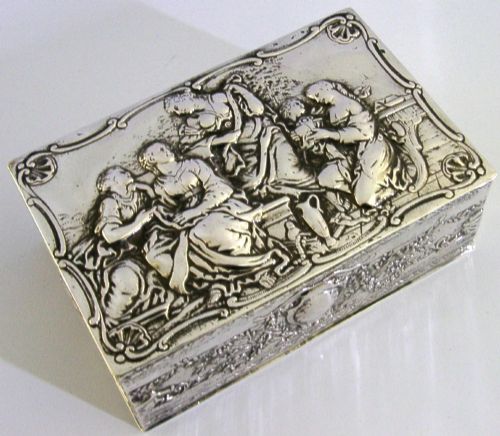
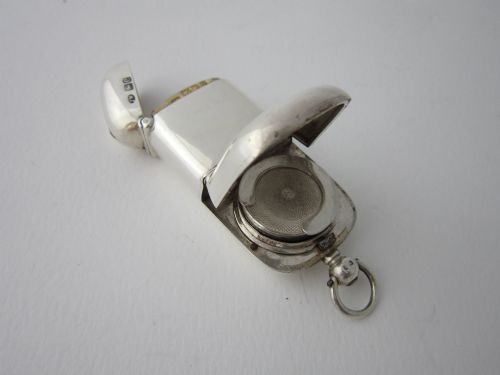
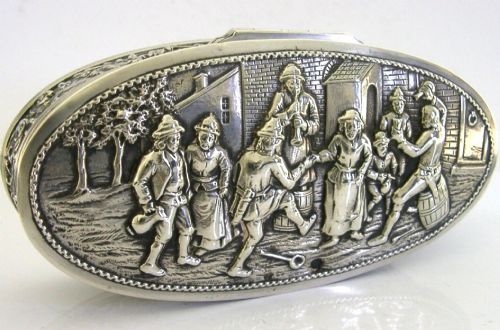
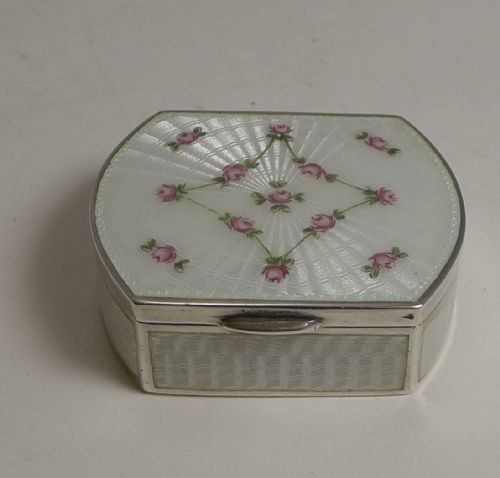
The domestic forms include sturdy country house silver chests constructed from solid oak with iron bands, alongside intricately decorated table pieces from continental Europe. Pocket varieties comprise sterling silver sovereign cases, vesta cases, card cases and pill boxes featuring detailed repoussé work or enamel.
Originating from English, German, Dutch, Austrian and Indian workshops, these objects served practical storage and luxury transport functions. Their substantial weight reflects the generous gauge of metal and timber utilised in their construction.
How they were made
Larger containers combine dense timber framing with forged iron, steel or cast metal banding and secure brass locks. Cabinetmakers constructed the structural carcasses primarily in oak, applying metal reinforcement to withstand heavy transit.
Smaller tabletop boxes and pocket cases utilise solid silver, sterling silver and cast silver components. Silversmiths shaped the metal through casting, chasing and repoussé techniques, occasionally adding gilt interiors or guilloche enamel decoration.
Heavy Silver Box Retail Price Guide 2026
Typical asking prices for heavy silver box among the pieces listed under this phrase on Sellingantiques today, from the lower quarter to the upper quarter. They describe what is for sale here now, not the wider market.
Some nineteenth-century pocket boxes kept matches dry while others guarded sovereigns, proving Victorians took their comforts everywhere.
What varies in quality
Quality rests upon the proportion and thickness of the materials, the crispness of chased or cast ornamentation, and the preservation of original internal fittings. Superior examples display precise mechanical assembly in their metal bindings or hinges alongside crisp hallmarks.
The artistic execution of decorative motifs, such as repoussé deities or cast acanthus borders, distinguishes exceptional items from standard production pieces. Original linings and working locks further elevate the standing of a specimen.
Edward Edwards·Elkington
The Heavy Silver Box Glossary
- Repoussé
- A metalworking technique where the artisan hammers the design from the reverse side to create a raised relief pattern on the surface. This method appears frequently on decorative desk and card containers.
- Guilloche
- An ornamental technique involving precise, intricate mechanical patterns engraved into a metal surface beneath translucent enamel. It provides a geometric backdrop on small pocket boxes.
- Sterling silver
- An alloy comprising ninety-two point five percent silver and seven point five percent other metals, typically copper, chosen to increase durability. Items bearing this designation meet official fineness standards.
- Vesta case
- A small pocket container designed to hold matches, typically fitted with a striking surface on the base. These pieces often share construction traits with sovereign holders.
- Sovereign case
- A compact circular pocket container engineered to store gold coin currency securely. They utilise spring-loaded mechanisms to release coins individually.
Heavy Silver Box: Frequently Asked Questions
How were silver chests used?
Large silver chests served to protect valuable family plate and table services from theft or damage during transit between country houses and town residences. Their robust oak and iron construction provided necessary security.
Smaller boxes remained in domestic interiors upon desks, tables and dressers to hold personal documents, jewellery, tobacco or visiting cards.
How do I care for my box?
Maintain silver surfaces using appropriate non-abrasive polishes applied sparingly to preserve engraved or repoussé details. Avoid harsh chemical cleaners that damage enamel or gilt layers.
Treat timber and iron components with neutral wax formulations where necessary to keep the wood nourished and prevent oxidation on the metal bands.
How do I date an antique box?
Examine silver components for official hallmarks, including town marks, date letters and maker stamps that reveal the exact year of assay. Stylistic cues also provide reliable chronological markers.
Construction methods, such as hand-forged iron bindings on oak carcasses, point toward specific nineteenth-century manufacturing periods.
What is the difference between solid silver and sterling silver?
Solid silver denotes an object fashioned entirely from silver metal rather than plated base metals. The term frequently appears alongside specific alloy descriptions.
Sterling silver specifies the precise legal fineness standard of the silver alloy used in the construction, guaranteeing its composition.