




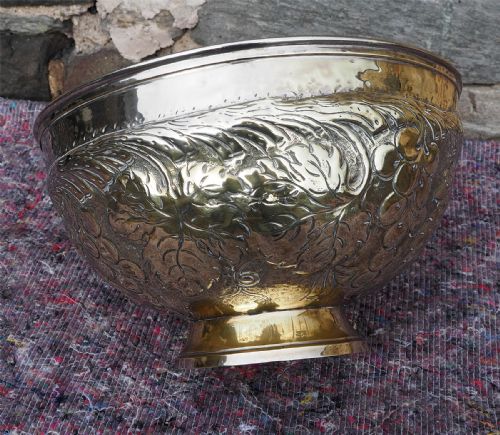

Heavy Pedestal Table
These heavy pedestal table pieces bring solid oak, iron and granite to dining rooms and gardens, offering the robust stability collectors want for daily use.
Heavy Pedestal Table
When you search for a heavy pedestal table, you encounter robust foundational forms built from solid timber and cast iron. The examples present here span the nineteenth century, the Edwardian era and the nineteen-twenties, incorporating dining tables, desks and garden furniture.
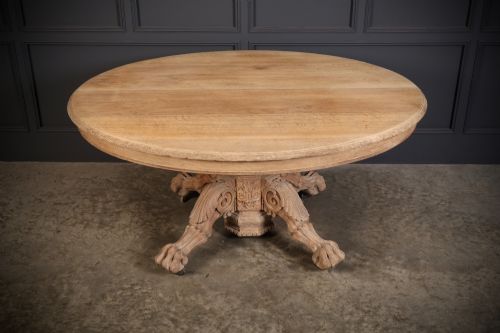
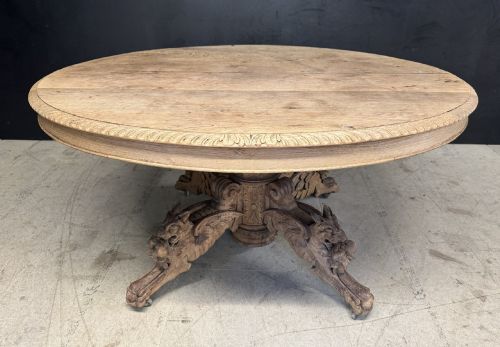
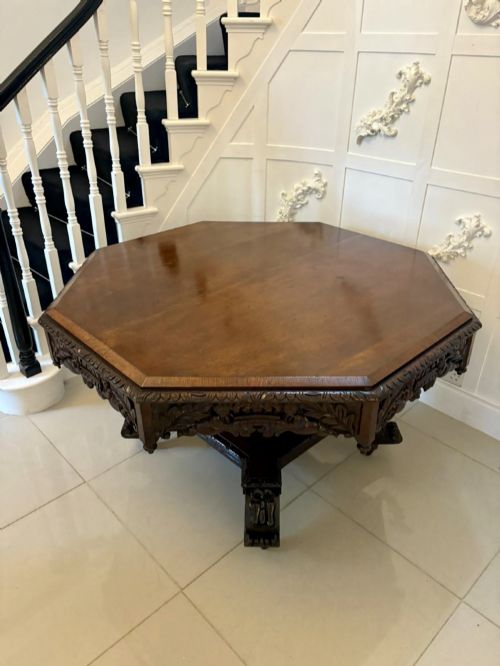
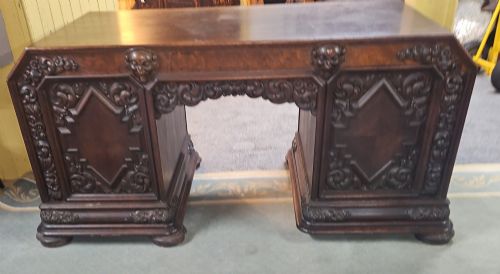
The heavy pedestal table most commonly appears in oak, often bearing the carved ornamentation of the Victorian period or the simpler lines of rustic farmhouse designs. These items serve substantial functional roles in dining spaces and studies, where weight and permanence matter.
Makers fashioned these sturdy pieces to endure generations of use, resulting in surviving examples that retain their structural integrity. Whether formed with a central column or heavy corner pillars, each heavy pedestal table demonstrates the utility required by past households.
How they were made
Makers utilised solid oak, pitch pine and walnut for the timber bodies of these heavy pedestal table listings, employing traditional joinery to ensure stability. Carved enrichment appears across nineteenth-century oak surfaces, reflecting revivalist tastes of the period.
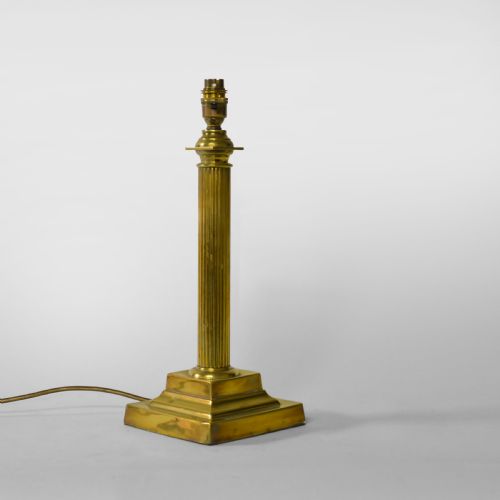
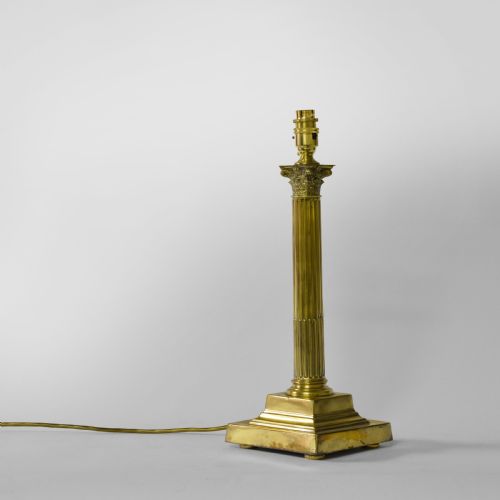
Cast iron and brass provide the metallic elements seen in bases and columns, paired with polished granite tops for garden and patio utility. These heavier materials demand careful casting and turning to support the substantial weight placed upon them.
Heavy Pedestal Table Retail Price Guide 2026
Typical asking prices for heavy pedestal table among the pieces listed under this phrase on Sellingantiques today, from the lower quarter to the upper quarter. They describe what is for sale here now, not the wider market.
The listings on this site combine nineteenth-century oak and pitch pine furniture with cast iron garden tables and brass lamps.
What varies in quality
The standard of carving and the selection of timber dictate the distinction between standard utility items and finer workshop productions. Heavy pedestal table examples featuring deep relief work on solid oak command attention through disciplined execution rather than simple scale.
Surface finish and the integrity of the structural joints determine the lasting character of each piece. Well-preserved patination on nineteenth-century timber and clean casting on iron bases separate superior examples from more utilitarian survivals.
The Heavy Pedestal Table Glossary
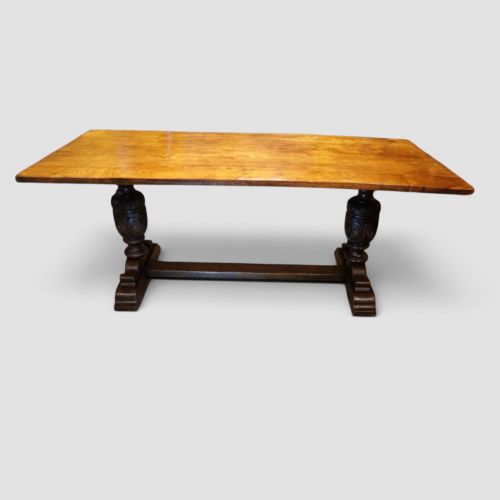
- Refectory table
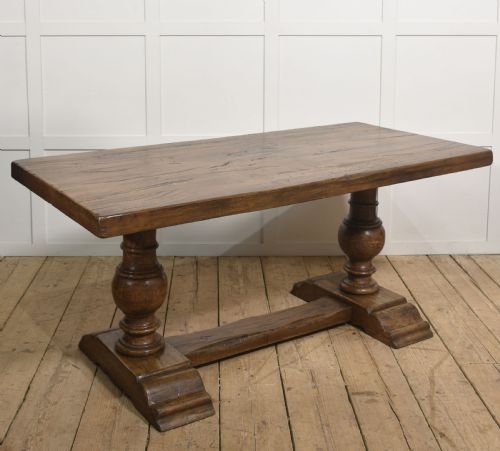
- A long dining table traditionally used in communal halls and later adapted for domestic dining rooms. These pieces often feature stretcher bases for added stability.
- Pedestal desk
- A flat-topped writing table supported by two structural pedestals containing drawers. Examples recorded here utilise solid oak and pitch pine.
- Cast iron
- An iron-carbon alloy poured into moulds to create durable structural components and table bases. This material provides the necessary weight for garden and patio furniture.
- Ionic column
- A classical architectural order featuring scroll ornaments on the capital, utilised here in nineteenth-century brass lamp designs. Such columns reflect neoclassical revival aesthetics.
Heavy Pedestal Table: Frequently Asked Questions
Where did people use these heavy tables?
Households placed large refectory and dining tables in kitchens and formal dining halls where families gathered for meals.
Smaller pedestal desks and writing tables served studies and libraries, providing a stable writing surface for daily correspondence.
How do I care for solid oak furniture?
Maintain timber surfaces by dusting with a dry cloth and occasionally applying natural beeswax to nourish the old wood.
Keep these heavy pieces away from direct heat sources and sudden moisture changes to protect the nineteenth-century construction.
How do I distinguish Victorian from Edwardian styles?
Victorian pieces frequently display heavier carved ornamentation, dark oak tones and robust revivalist motifs like Jacobean or French hunting styles.
Edwardian examples tend toward lighter proportions and simpler forms while retaining the solid materials characteristic of earlier decades.
Can cast iron tables stay outdoors?
Cast iron garden and patio tables tolerate outdoor environments well, particularly when paired with polished granite tops that resist weathering.
Protecting the metal surfaces from prolonged standing water helps preserve the structural ironwork through seasonal changes.